Iraq holds talks with Iranian FM Araghchi on Iran-US MoU, Hormuz tensions
Synopsis
As US and Iranian forces traded strikes over the Strait of Hormuz, Iraq stepped in as a quiet diplomatic broker — hosting Iran's foreign minister for talks on the Iran-US MoU just days before Washington and Tehran agreed to pause hostilities and shift their nuclear talks from Switzerland to Doha, refocusing the agenda from bombs to shipping lanes.
Key Takeaways
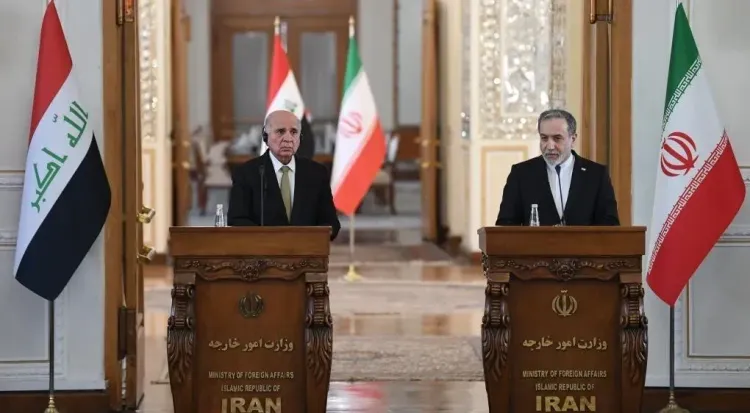
Iraqi President Nizar Amedi and PM Ali al-Zaidi met Iranian FM Seyed Abbas Araghchi in Baghdad on 29 June .
Discussions centred on the Iran-US MoU and the escalating Strait of Hormuz crisis.
The US struck Iranian targets on Friday and Saturday , citing Iranian aggression against commercial shipping; Iran retaliated by striking US military positions.
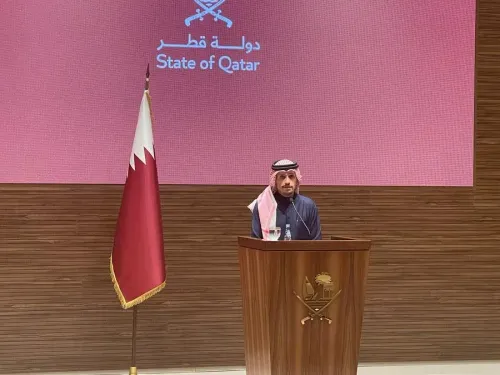
Washington and Tehran have agreed to pause mutual attacks 'for now' and hold technical talks in Doha, Qatar on Tuesday .
The talks were originally scheduled in Switzerland on Iran's nuclear programme but were moved to Doha with the focus shifting to shipping security .
Iraq is positioning itself as a regional diplomatic facilitator between the two adversarial powers.
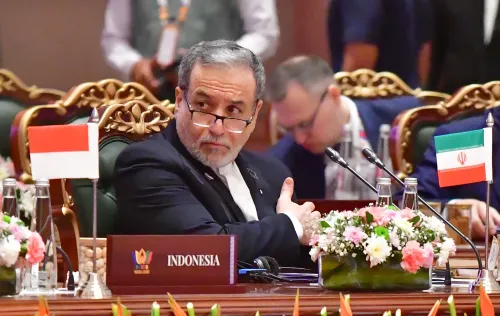
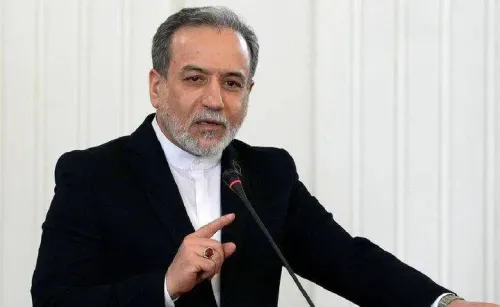
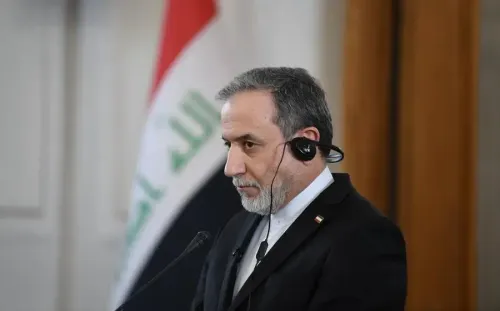
Iraqi President Nizar Amedi and Prime Minister Ali al-Zaidi held separate meetings in Baghdad on 29 June with visiting Iranian Foreign Minister Seyed Abbas Araghchi to discuss the recently signed Iran-US memorandum of understanding (MoU) and the escalating situation in the Strait of Hormuz. The high-level consultations underscore Iraq's growing role as a diplomatic bridge between Tehran and Washington amid live military exchanges between the two powers.
What Iraqi Leaders Said
President Amedi stressed the centrality of dialogue in building a more stable regional environment, calling for lasting understandings that address unresolved issues, according to a statement issued by the Iraqi presidency. Prime Minister al-Zaidi echoed that position, affirming that Iraq prioritises ending wars and advancing negotiations as the surest path to regional stability — a stance his office said would unlock greater development and prosperity for the peoples of the region.
Iran's Position and Appreciation for Iraq's Role
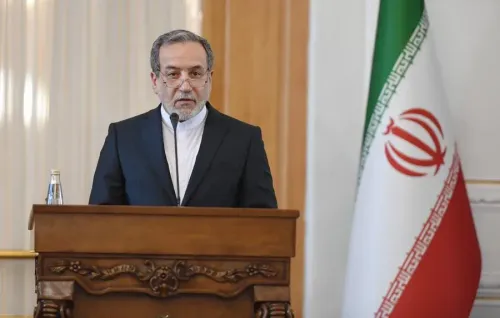
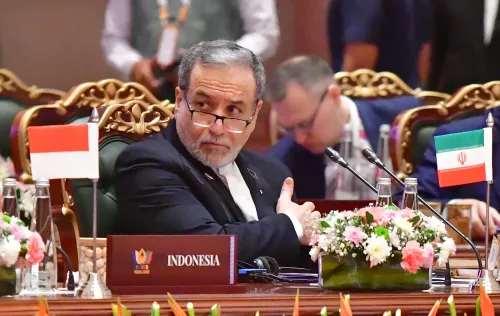
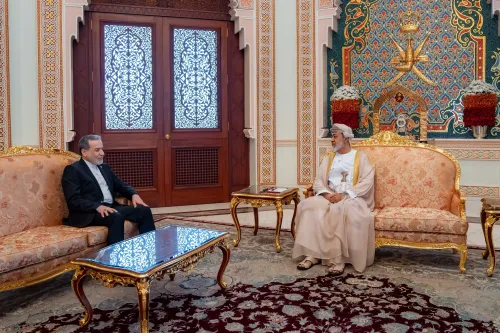
Foreign Minister Araghchi expressed Tehran's appreciation for Iraq's efforts in containing crises and bridging differences between rival parties, according to reports. He reaffirmed Iran's commitment to strengthening ties with its Arab neighbours and deepening bilateral cooperation with Baghdad. The visit signals that Tehran views Iraq as a key interlocutor at a moment of acute diplomatic pressure.
Military Exchanges and the Hormuz Flashpoint
The Baghdad meetings came against the backdrop of direct military exchanges between Washington and Tehran. The United States conducted strikes on Iranian targets on Friday and Saturday, citing what it described as 'continued Iranian aggression against commercial shipping' in the Strait of Hormuz. Iran responded by striking US military positions in the region. The tit-for-tat exchanges have raised alarm over the safety of one of the world's most critical oil-transit chokepoints, through which an estimated 20% of global oil supply passes.
Doha Talks: A Pause in Hostilities
Amid the military escalation, the United States and Iran have agreed to pause mutual attacks 'for now' and hold talks on Tuesday in Doha, the capital of Qatar, to resolve their dispute over the Strait of Hormuz, according to reports citing a US official. The official was quoted as saying that vessels can now 'move freely' as technical discussions are set to continue. Notably, the Tuesday talks were originally scheduled to be held in Switzerland with a focus on Iran's nuclear programme; renewed Hormuz tensions prompted a venue change to Doha and a shift in agenda toward shipping security. This is a significant pivot — from nuclear diplomacy to maritime security — reflecting how rapidly the crisis has evolved.
What Comes Next
The outcome of the Doha technical talks will be closely watched by Gulf states, global energy markets, and shipping insurers. Iraq's diplomatic engagement suggests Baghdad is positioning itself as a facilitator should direct US-Iran negotiations stall. With the MoU framework still fragile and military postures on both sides unresolved, the coming days will test whether the pause holds.
Point of View
The US and Iran, and hosting Araghchi at this precise moment is a signal that it intends to remain relevant as a back-channel. What mainstream coverage underplays is the venue shift — moving talks from Switzerland to Doha and changing the agenda from nuclear to maritime is not a minor logistical tweak; it reflects how the Hormuz crisis has overtaken the nuclear file as the immediate flashpoint. The 'pause' in mutual attacks is fragile by design — a US official's language of 'for now' is deliberate hedging, not a ceasefire. If the Doha technical talks fail to produce a verifiable shipping-security framework, the pause could collapse within days, with oil markets and Gulf security bearing the consequences.
NationPress
27 Sept 2026
Frequently Asked Questions
What is the Iran-US MoU that Iraqi leaders discussed with FM Araghchi?
The Iran-US memorandum of understanding (MoU) is a recent agreement between Washington and Tehran aimed at ending their ongoing conflict. Iraqi leaders met Iranian FM Seyed Abbas Araghchi in Baghdad on 29 June to discuss its implications for regional stability.
Why did the US strike Iranian targets in the Strait of Hormuz?
The United States conducted strikes on Iranian targets on Friday and Saturday, citing what it described as 'continued Iranian aggression against commercial shipping' in the Strait of Hormuz. Iran responded by striking US military positions in the region.
What are the Doha talks between the US and Iran about?
The US and Iran have agreed to hold technical talks in Doha, Qatar on Tuesday to resolve their dispute over the Strait of Hormuz and restore freedom of navigation. The talks were originally scheduled in Switzerland and focused on Iran's nuclear programme, but were moved to Doha with the agenda shifting to shipping security following the recent military exchanges.
What role is Iraq playing in the Iran-US crisis?
Iraq is acting as a diplomatic facilitator, with President Nizar Amedi and PM Ali al-Zaidi both affirming support for dialogue and negotiations. By hosting Iranian FM Araghchi, Baghdad is positioning itself as a bridge between Tehran and Washington at a critical moment.
Has there been a ceasefire between the US and Iran?
There is no formal ceasefire, but the two sides have agreed to pause mutual attacks 'for now,' according to reports citing a US official. The official also said vessels can move freely in the Strait of Hormuz as technical talks proceed in Doha.