Iran FM Araghchi Meets Oman Sultan Amid West Asia Crisis
Synopsis
Iran's Foreign Minister Araghchi met Oman's Sultan in Muscat on April 26 — his first regional visit since US-Israeli strikes killed Supreme Leader Khamenei. With US-Iran talks collapsed after 21 hours and the Strait of Hormuz closed, Oman's mediation role has never been more critical to global stability.
Key Takeaways
Iranian FM Seyed Abbas Araghchi met Oman's Sultan Haitham bin Tariq in Muscat on April 26, 2025 — his first regional visit since the February 28 US-Israeli strikes on Iran.
The joint US-Israel military operation on February 28 killed Supreme Leader Ayatollah Ali Khamenei , triggering a large-scale Iranian military response and the closure of the Strait of Hormuz .
Iran and the US agreed to a two-week ceasefire from April 8 , followed by direct talks on April 11-12 that collapsed after 21 hours .
Tehran ruled out direct talks with Washington in Islamabad , with Foreign Ministry spokesperson Esmaeil Baqaei confirming no US-Iran meeting was planned.
US President Trump cancelled his negotiators' — Jared Kushner and Steve Witkoff — trip to Pakistan , citing "tremendous infighting" within Iran's leadership.
Araghchi's three-nation tour continues to Russia after Oman, signalling Tehran's push to consolidate international diplomatic backing.
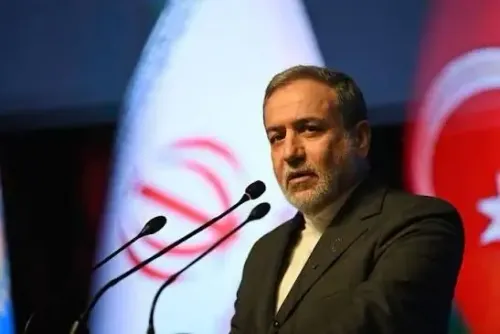
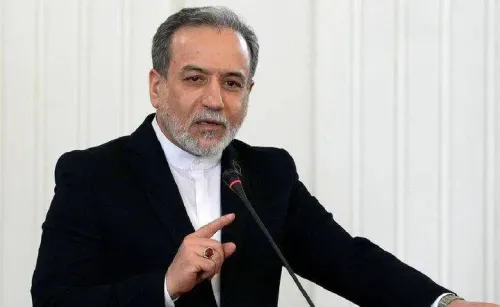
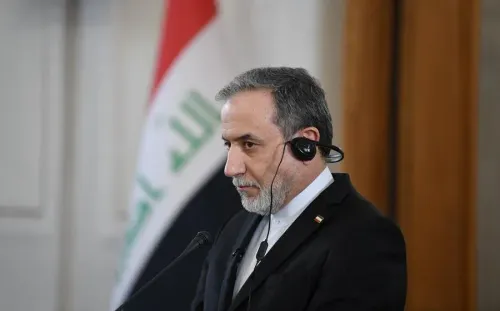
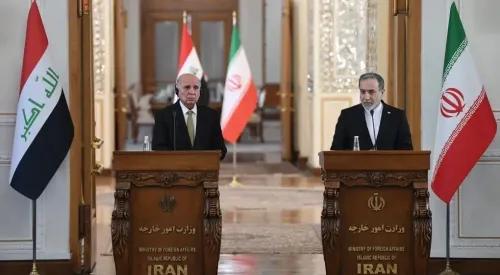
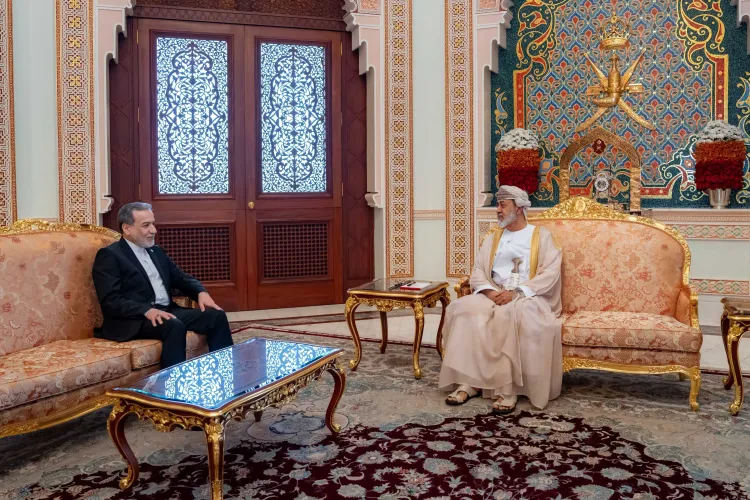
Iranian Foreign Minister Seyed Abbas Araghchi held high-level talks with Oman's Sultan Haitham bin Tariq in Muscat on Sunday, April 26, focusing on bilateral relations, the escalating West Asia conflict, and diplomatic pathways to de-escalation. The visit marks Araghchi's first regional tour following the joint US-Israeli military strikes against Iran in late February — a watershed moment that has reshaped the geopolitical landscape of the Middle East.
Araghchi Briefs Sultan on Iran's Post-Strike Stance
During the meeting, Araghchi outlined Tehran's official position on the rapidly evolving situation in West Asia, particularly in the aftermath of the February 28 joint US-Israel strikes that killed Supreme Leader Ayatollah Ali Khamenei. The Iranian FM expressed gratitude for Oman's consistent advocacy for dialogue and its role in promoting regional security and stability.
Sultan Haitham reaffirmed Muscat's commitment to mediation, stressing that sustainable political solutions can only be achieved through diplomacy. Oman has historically served as a back-channel between Iran and Western powers, a role that has become even more critical given the current military and diplomatic standoff.
Iran's Foreign Ministry Frames the Visit Strategically
Iran's Foreign Ministry spokesperson Esmaeil Baqaei posted on X: "We are in Muscat for an official visit to the Sultanate of Oman — FM Araghchi's first to the region following the recent US-Israeli aggression, which has impacted the broader region." He added that Iran remains committed to strengthening mutual trust and constructive cooperation with Persian Gulf states.
Baqaei described the Oman-Iran relationship as a model of respectful and mutually beneficial engagement — a pointed diplomatic signal to other Gulf neighbours who have watched the conflict with growing alarm, particularly given the closure of the Strait of Hormuz and its cascading effects on global energy markets.
Three-Nation Tour: Oman, Then Russia
Araghchi's visit to Muscat is the first leg of a three-nation diplomatic tour. After concluding his engagements in Oman, he is scheduled to travel to Russia, according to Iran's state-run Islamic Republic News Agency (IRNA). The tour is designed to consolidate international backing and explore pathways to a lasting ceasefire.
The tour comes at a pivotal juncture: Iran and the US reached a two-week ceasefire starting April 8, followed by direct negotiations on April 11-12 — the first such talks in years. However, those negotiations collapsed after 21 hours, leaving both sides in a precarious standoff.
Pakistan Talks Collapse, Trump Fires Back
Prior to the Muscat visit, Araghchi had landed in Islamabad on Friday, prompting US President Donald Trump's spokesperson Karoline Leavitt to announce that American negotiators — Jared Kushner and Special Representative Steve Witkoff — would travel there. Vice President J.D. Vance was reportedly on standby to join if necessary.
However, Tehran swiftly ruled out direct talks with Washington. Baqaei confirmed on X: "No meeting is planned to take place between Iran and the US. Iran's observations would be conveyed to Pakistan." Notably, Iran's Parliament Speaker Bagher Ghalibaf, who had led the Iranian delegation during the April 11 direct talks, was not present in Islamabad — a deliberate signal of Tehran's downgraded diplomatic intent.
Trump subsequently cancelled the negotiators' trip, citing "tremendous infighting and confusion" within Iran's leadership. On Truth Social, he wrote: "We have all the cards, they have none! If they want to talk, all they have to do is call!!" — a rhetorical posture that analysts say reflects domestic political calculations as much as genuine diplomatic strategy.
Broader Impact: Energy Crisis and Regional Realignment
The conflict's most immediate global consequence has been the closure of the Strait of Hormuz, through which approximately 20% of the world's oil supply passes. This has triggered a global energy crisis, with ripple effects felt from India's fuel prices to European manufacturing costs.
Oman's mediation role is particularly significant given its geographic position at the mouth of the Strait of Hormuz and its longstanding policy of neutrality. Muscat facilitated the 2015 Iran nuclear deal backchannel and has repeatedly served as a trusted intermediary — a role it appears willing to reprise under far more dangerous circumstances.
As Araghchi heads to Russia next, all eyes will be on whether Moscow — a key ally of Tehran — can provide the diplomatic leverage needed to restart meaningful negotiations. The coming days will be critical in determining whether the fragile ceasefire holds or collapses entirely.
Point of View
Trump's Truth Social taunts, and Iran's deliberate exclusion of Parliament Speaker Ghalibaf from Islamabad all point to a fractured Iranian decision-making apparatus — precisely the 'infighting' Trump referenced. Oman's role as mediator is indispensable, but the real test is whether Russia's involvement, the next stop on Araghchi's tour, can provide Tehran the geopolitical cover it needs to re-engage Washington without appearing to capitulate.
NationPress
15 Sept 2026
Frequently Asked Questions
Why did Iran FM Araghchi visit Oman on April 26, 2025?
Iranian FM Araghchi visited Oman to discuss bilateral ties, regional developments, and diplomatic efforts to resolve the West Asia conflict following the joint US-Israeli military strikes against Iran. It was his first regional visit after the February 28 strikes that killed Supreme Leader Ayatollah Ali Khamenei.
What is Oman's role in the Iran-US conflict?
Oman has historically served as a neutral mediator between Iran and Western powers, including facilitating the backchannel that led to the 2015 Iran nuclear deal. Sultan Haitham reaffirmed Oman's commitment to mediation and promoting sustainable political solutions through dialogue.
Why did the Iran-US talks in April 2025 collapse?
The first round of Iran-US direct talks held on April 11-12, 2025 collapsed after 21 hours of negotiations without a breakthrough. Subsequently, Iran ruled out further direct talks with Washington, and Trump cancelled his negotiators' planned visit to Pakistan citing confusion in Iran's leadership.
What is the impact of the Strait of Hormuz closure?
The closure of the Strait of Hormuz, triggered by the Iran-US-Israel conflict, has caused a global energy crisis as approximately 20% of the world's oil supply passes through it. The closure has driven up fuel prices worldwide and disrupted supply chains across multiple continents.
Where is Iran FM Araghchi travelling after Oman?
After completing his engagements in Muscat, Oman, Araghchi is scheduled to travel to Russia as part of his three-nation diplomatic tour. The Russia visit is aimed at consolidating support and exploring pathways to restart conflict resolution efforts.