Iran FM Araghchi in Islamabad to Relay War-End Terms to US
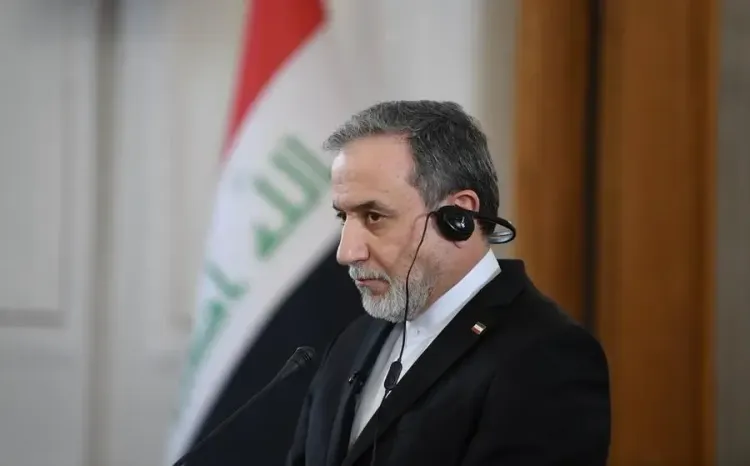
Synopsis
Iranian FM Araghchi landed in Islamabad not to negotiate with the US directly — but to use Pakistan as a diplomatic bridge to relay Tehran's war-end conditions. With peace talks collapsed and the Strait of Hormuz blockaded, Iran's indirect diplomacy signals a high-stakes standoff with global energy implications.
Key Takeaways
Iranian FM Seyed Abbas Araghchi arrived in Islamabad on April 25, 2025 , leading a diplomatic delegation on a multi-capital tour covering Pakistan, Oman, and Russia .
Pakistan will serve as a diplomatic "bridge," conveying Iran's war-end conditions to the US side — with no direct Iranian-American negotiations planned.
The Iran-US-Israel conflict began on February 28, 2025 , with joint US-Israeli strikes on Tehran that killed Supreme Leader Ali Khamenei ; a ceasefire was reached on April 8, 2025 .
Peace talks in Islamabad on April 11-12 collapsed, after which the US imposed a naval blockade on the Strait of Hormuz , disrupting Iranian maritime trade.
Iran declined a second round of Pakistan-hosted talks this week, citing the Hormuz blockade and "excessive" US demands as primary reasons.
The Strait of Hormuz carries approximately 20% of global oil supply , making the blockade a critical risk factor for energy markets worldwide, including India .
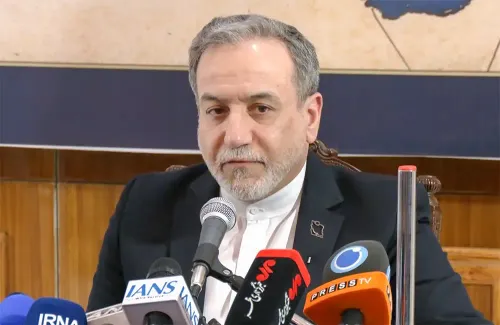
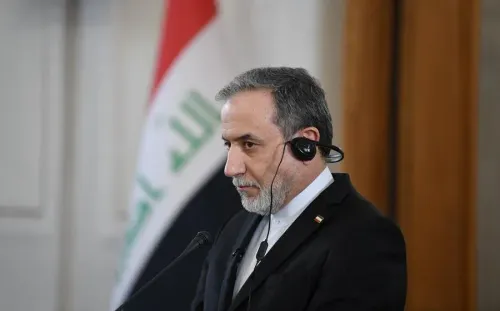
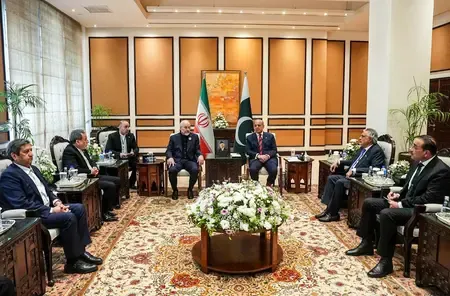
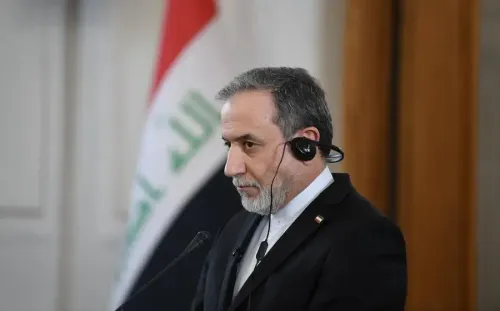
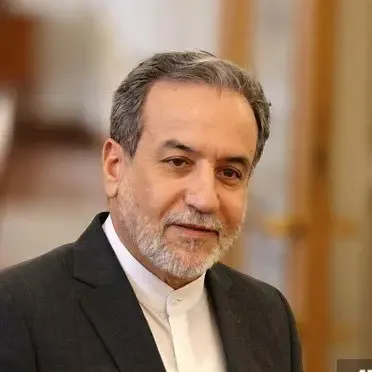
Iranian Foreign Minister Seyed Abbas Araghchi arrived in Islamabad, Pakistan on Friday night, April 25, 2025, carrying Tehran's formal considerations for ending its ongoing conflict with the United States and Israel — using Pakistan as a diplomatic conduit rather than engaging in direct negotiations with Washington. The visit was confirmed by Pakistan's Ministry of Foreign Affairs and reported by Iran's semi-official Tasnim News Agency.
Pakistan as the Bridge: Tehran's Indirect Diplomacy
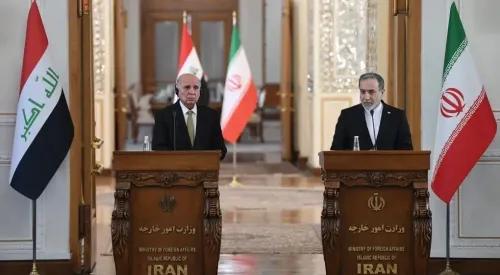
Iran's state-run IRIB TV clarified that while Araghchi has no scheduled meetings with American officials, Islamabad will serve as a critical "bridge of communication" — conveying Iran's conditions for ending the conflict to the US side. This marks a significant diplomatic manoeuvre: Tehran is effectively using a neutral third-party capital to communicate terms it refuses to table directly.
This approach reflects Iran's calculated strategy of maintaining pressure while preserving diplomatic channels. By routing its position through Pakistan, Tehran avoids the optics of capitulating to direct US engagement, especially while a US naval blockade on the Strait of Hormuz remains in force.
Araghchi's Multi-Capital Tour: Islamabad, Muscat, Moscow
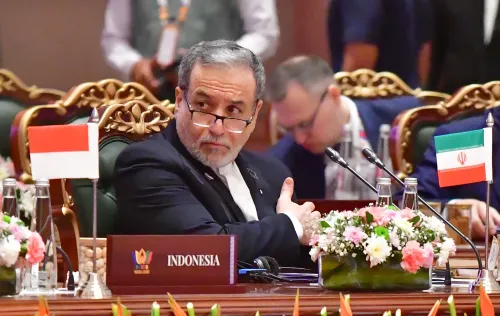
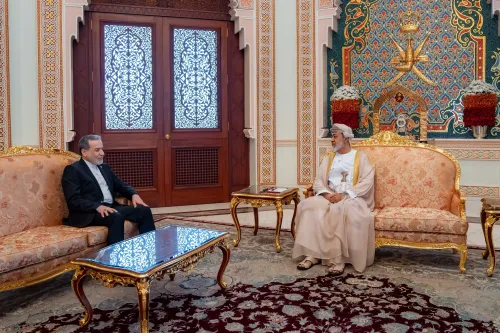
Heading a high-level diplomatic delegation, Araghchi is scheduled to visit three strategic capitals — Islamabad, Muscat (Oman), and Moscow (Russia) — in a single tour. In a post on social media platform X, the Iranian foreign minister wrote: "Embarking on a timely tour of Islamabad, Muscat, and Moscow. The purpose of my visits is to closely coordinate with our partners on bilateral matters and consult on regional developments. Our neighbours are our priority."
In Muscat, discussions will centre on regional security issues and the ongoing war. In Moscow, consultations will cover bilateral, regional, and international developments — underscoring Russia's continued role as a key strategic partner for Tehran amid Western pressure.
Background: How the Conflict Escalated
The roots of the current crisis trace back to February 28, 2025, when Israel and the United States launched coordinated strikes on Tehran and other Iranian cities, killing Iran's then Supreme Leader Ali Khamenei, senior military commanders, and civilians. The attack marked one of the most dramatic escalations in Middle Eastern geopolitics in decades.
Iran retaliated with successive waves of missile and drone strikes targeting Israeli territory and US military bases and assets across the Middle East. A ceasefire was brokered on April 8, 2025, temporarily halting active hostilities.
Following the ceasefire, Iranian and US delegations held peace talks in Islamabad on April 11 and 12. However, those negotiations collapsed, after which the United States imposed a blockade on the Strait of Hormuz — a chokepoint through which nearly 20% of global oil supply transits — effectively strangling Iranian maritime trade.
Why Peace Talks Collapsed and What Iran Demands
A second round of talks expected in Pakistan this week did not materialise. Iran declined to attend, citing two primary reasons: the US naval blockade on the Strait of Hormuz and what Tehran described as "excessive" American demands at the negotiating table.
This standoff reveals a deeper structural tension: the US is applying maximum economic and military pressure to extract concessions, while Iran is leveraging its refusal to negotiate as a counter-pressure tool. The Hormuz blockade, if sustained, could trigger a global energy crisis — a fact that gives Tehran significant leverage with energy-dependent nations including India, China, Japan, and EU members.
Notably, Pakistan's role as a mediator is not incidental. Islamabad maintains functional diplomatic ties with both Washington and Tehran, making it one of the few capitals capable of hosting back-channel communications at this level of sensitivity.
Strategic Implications for the Region and Global Energy Markets
The Strait of Hormuz blockade has already sent shockwaves through global oil markets. Any prolonged closure could push crude oil prices sharply higher, with cascading effects on inflation, fuel costs, and economic stability across Asia — including India, which sources a significant share of its oil from the Gulf region.
For India, the conflict carries compounded risk: disruption of oil imports, threats to the Indian diaspora in Gulf nations, and potential instability along key maritime trade routes. New Delhi has thus far maintained a cautious posture, prioritising energy security and regional stability over alignment with any bloc.
As Araghchi continues his diplomatic tour, the next critical juncture will be whether Pakistan can successfully relay Iran's war-end conditions in a manner that reopens the path to formal negotiations — or whether the Hormuz standoff deepens into a prolonged economic and military confrontation with no clear off-ramp in sight.
Point of View
Far from forcing Iran to the table, has handed Tehran a global energy leverage card that affects every oil-importing nation from India to Japan. What mainstream coverage misses is that Pakistan's mediator role is itself a geopolitical signal — Islamabad is quietly asserting strategic relevance at a moment when South Asia's place in the new world order is being contested. The real test is whether any framework emerges before the Hormuz standoff triggers an irreversible economic shock.
NationPress
6 Oct 2026
Frequently Asked Questions
Why is Iran's FM Araghchi visiting Islamabad in April 2025?
Iranian Foreign Minister Araghchi visited Islamabad on April 25, 2025, to use Pakistan as a diplomatic bridge to convey Iran's conditions for ending its conflict with the US and Israel. Iran has refused direct negotiations with the US, citing the ongoing Strait of Hormuz naval blockade and excessive American demands.
Will Iran hold direct talks with the US during Araghchi's Pakistan visit?
No. Iran has explicitly stated it has no plans to negotiate with US officials during this visit. Pakistan will act as an intermediary, conveying Tehran's war-end considerations to the American side without face-to-face Iranian-US engagement.
What caused the Iran-US-Israel conflict in 2025?
On February 28, 2025, the US and Israel launched joint strikes on Tehran and other Iranian cities, killing Supreme Leader Ali Khamenei and senior commanders. Iran retaliated with missile and drone attacks on Israeli territory and US military bases across the Middle East, leading to a ceasefire on April 8, 2025.
What is the US Strait of Hormuz blockade and why does it matter?
Following the collapse of peace talks in Islamabad on April 11-12, the US imposed a naval blockade on the Strait of Hormuz, barring ships travelling to and from Iranian ports. The strait carries roughly 20% of global oil supply, making the blockade a major threat to international energy markets and economies across Asia and Europe.
What is the purpose of Araghchi's visits to Muscat and Moscow?
In Muscat, Araghchi will discuss regional security issues and the ongoing war with Omani officials. In Moscow, he will hold consultations on bilateral, regional, and international developments, reinforcing Russia's role as a key strategic partner for Iran amid the conflict.