Iran FM Araghchi holds urgent calls with Oman, Turkey, Pakistan after US strikes
Synopsis
Even as Iran and the US are mid-way through a 60-day peace negotiation, US strikes killed 14 people inside Iran — and Tehran hit back with missiles and drones at US bases across four Gulf states. Iranian FM Araghchi's urgent calls to Oman, Turkey, and Pakistan's army chief reveal a dual-track strategy: military retaliation combined with frantic diplomatic outreach to prevent the MoU from collapsing entirely.
Key Takeaways
Iranian FM Seyed Abbas Araghchi held separate phone calls on 10 July with Omani FM Sayyid Badr bin Hamad Al Busaidi , Turkish FM Hakan Fidan , and Pakistan Army Chief General Asim Munir .
US forces struck multiple targets inside Iran on Wednesday and Thursday , citing Iran's attacks on commercial vessels in the Strait of Hormuz .
Iranian authorities said the US strikes killed 14 people , injured 78 others , and damaged a bridge and a railway.
Iran's IRGC and army retaliated with missile and drone strikes on US bases in Kuwait , Bahrain , Qatar , and Jordan .
Araghchi condemned the US strikes as violations of the UN Charter and the recently signed Iran-US peace MoU , warning against further 'adventurism.' The escalation occurs during an active 60-day Iran-US negotiating process aimed at a final agreement.
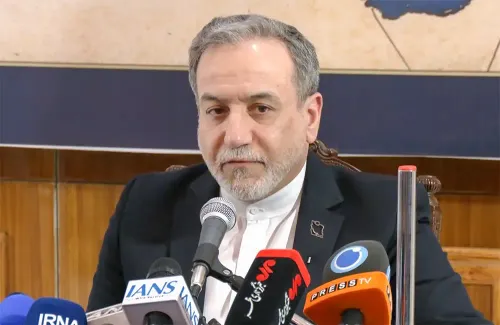
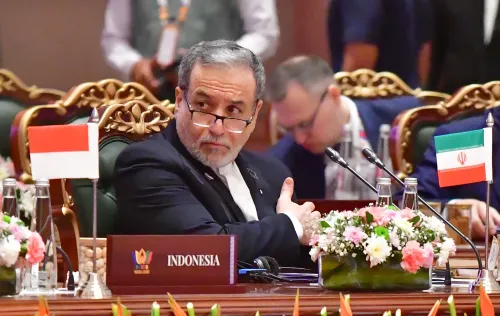
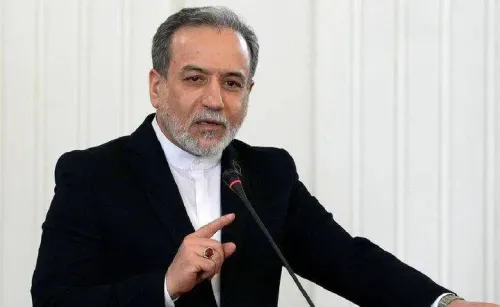
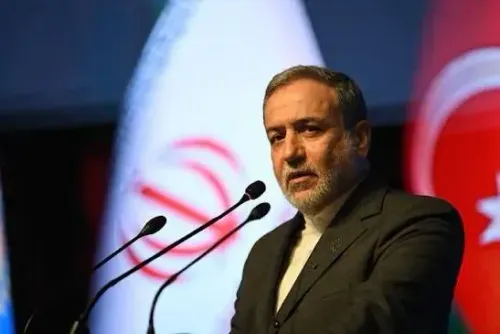
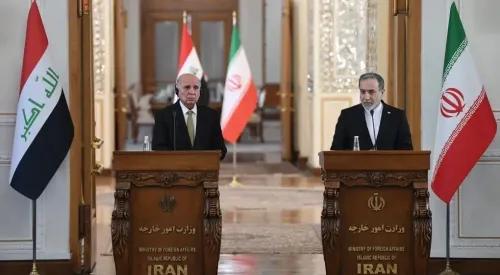
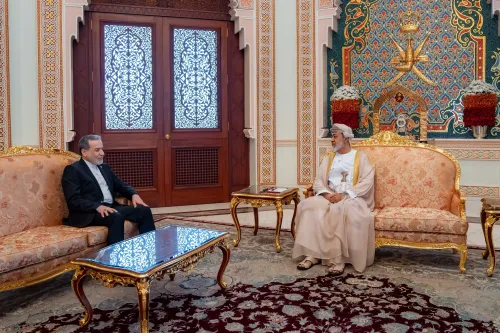
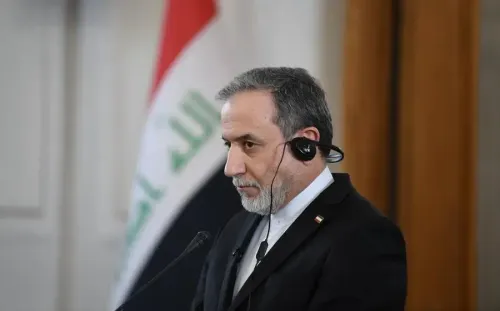
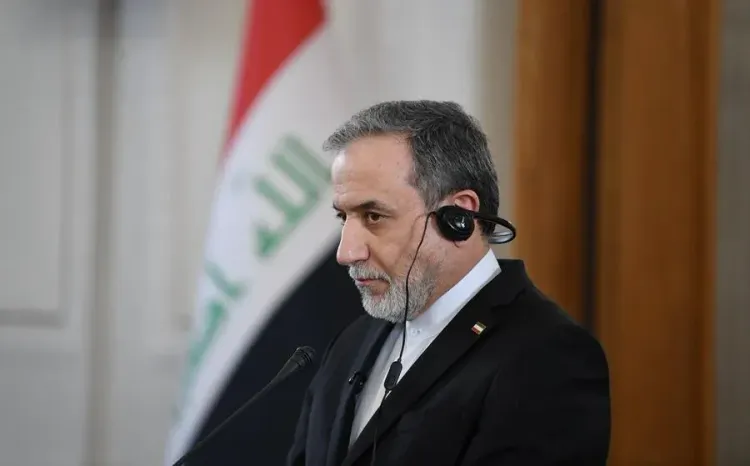
Iranian Foreign Minister Seyed Abbas Araghchi conducted a series of urgent diplomatic phone calls on 10 July with his Omani and Turkish counterparts and Pakistan's army chief, following renewed US military strikes on Iran, according to the Iranian Foreign Ministry. The flurry of outreach signals Tehran's effort to rally regional support and prevent further escalation amid an already volatile situation in the Strait of Hormuz.
Key Diplomatic Contacts
In separate calls with Omani Foreign Minister Sayyid Badr bin Hamad Al Busaidi and Turkish Foreign Minister Hakan Fidan, Araghchi discussed recent developments in the Strait of Hormuz and other shared concerns. A ministry statement noted that all three officials stressed 'the importance of pursuing diplomacy and maintaining contacts and coordination to address regional issues and prevent further escalation.'
In a separate call with Pakistan's Chief of Army Staff General Asim Munir, Araghchi reportedly went further — strongly condemning the US strikes as 'flagrant violations of the UN Charter' and of the recently signed Iran-US peace memorandum of understanding (MoU). He warned against any 'adventurism' by US forces, reaffirming Iran's resolve to defend its 'territorial integrity, sovereignty and national security,' according to the ministry statement.
What the US Said About the Strikes
The United States stated that its forces carried out strikes on multiple targets inside Iran on Wednesday and Thursday, framing the operation as a response to Iran's latest attacks on commercial vessels transiting the Strait of Hormuz. Washington said the strikes were intended to degrade Iran's ability to threaten commercial shipping in the strategically critical waterway.
Iranian authorities, however, said the overnight US strikes killed 14 people and injured 78 others, and caused damage to a bridge and a railway.
Iran's Military Response
In retaliation, Iran's Islamic Revolution Guard Corps (IRGC) and the Iranian army said they launched missile and drone strikes on US military bases and facilities in Kuwait, Bahrain, Qatar, and Jordan. The cross-regional nature of the response marks a significant escalation in the geographic scope of the conflict.
Fragile Diplomacy Under Pressure
The latest military exchanges come at a particularly sensitive juncture: Iran and the United States are currently engaged in a 60-day negotiating process under the MoU, aimed at reaching a final agreement. Araghchi's calls with Oman and Turkey — both of whom have historically served as back-channel mediators between Tehran and Washington — suggest Iran is simultaneously pursuing military signalling and diplomatic containment. Whether the MoU survives this escalation cycle remains the central question in the days ahead.
Point of View
Through Oman and Turkey, that it will fight and talk at the same time. The real stress test is the MoU: a peace framework that both sides have now publicly accused the other of violating within its first operational weeks. If the 60-day negotiating window closes without a ceasefire understanding, the Strait of Hormuz — through which roughly 20% of global oil transits — faces its most serious disruption risk in years. Mainstream coverage is treating this as a bilateral US-Iran crisis; the more consequential story is whether Gulf states hosting US bases can maintain neutrality as Iranian missiles land on their soil.
NationPress
8 Oct 2026
Frequently Asked Questions
Why did Iranian FM Araghchi call Oman, Turkey, and Pakistan after the US strikes?
Araghchi reached out to discuss the deteriorating regional situation following renewed US military strikes on Iran and to stress the need for diplomacy and coordination to prevent further escalation. Oman and Turkey have historically served as back-channel intermediaries between Tehran and Washington, making these calls part of Iran's dual-track strategy of military response and diplomatic outreach.
How many people were killed in the US strikes on Iran?
Iranian authorities said the US overnight strikes killed 14 people and injured 78 others , also damaging a bridge and a railway. The US stated the strikes targeted multiple locations inside Iran in response to Iranian attacks on commercial shipping in the Strait of Hormuz.
How did Iran retaliate against the US strikes?
Iran's Islamic Revolution Guard Corps (IRGC) and the Iranian army said they launched missile and drone strikes on US military bases and facilities in Kuwait, Bahrain, Qatar, and Jordan in retaliation for the US strikes on Iranian soil.
What is the Iran-US peace MoU and is it still in effect?
The Iran-US peace memorandum of understanding (MoU) is a recently signed agreement that initiated a 60-day negotiating process aimed at reaching a final bilateral agreement. Araghchi accused the US strikes of being a 'flagrant violation' of this MoU; the framework's survival is now in serious doubt given the ongoing military exchanges.
Why is the Strait of Hormuz significant in this conflict?
The Strait of Hormuz is one of the world's most critical maritime chokepoints, through which a significant share of global oil supplies transits. The US cited Iranian attacks on commercial vessels in the strait as justification for its strikes, making control and freedom of navigation in the waterway a central flashpoint in the escalating confrontation.