Iran's Foreign Minister Refutes Ceasefire Claims Amid Ongoing Conflict
Synopsis
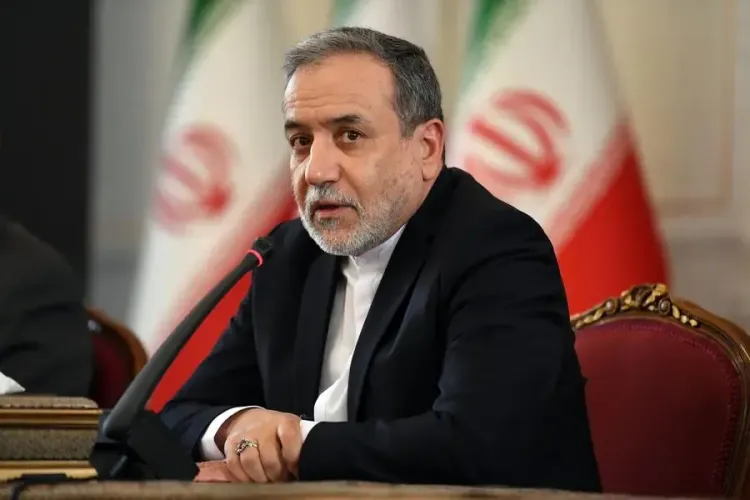
Iran's Foreign Minister Seyed Abbas Araghchi firmly denied any pursuit of a ceasefire or negotiations with the US, emphasizing that the conflict must end without future attacks on Iran. The situation escalates as military strikes continue between Iran and US-Israeli forces.
Key Takeaways
Iran denies ceasefire and negotiations with the US.
Military actions continue between Iran and US-Israeli forces.
Araghchi emphasizes ending conflict without future attacks.
Israel's strikes increase tensions in the region.
Mehrabad Airport aircraft targeted to disrupt Iranian leadership communication.
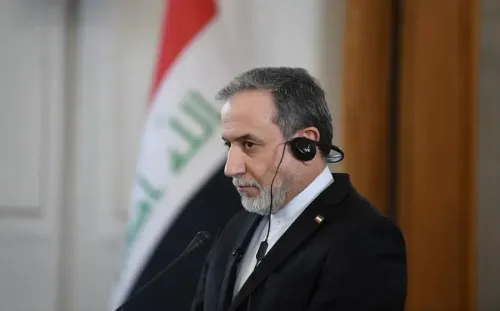
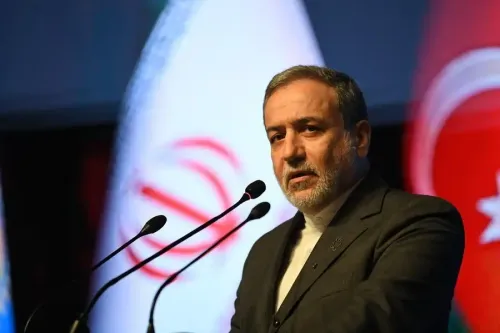
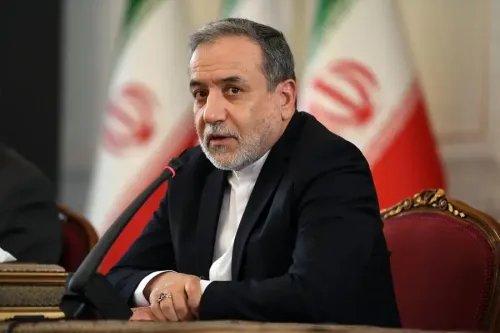
Tehran, March 16 (NationPress) Iran's Foreign Minister Seyed Abbas Araghchi stated on Monday that Tehran has not pursued a ceasefire or any negotiations with the United States, strongly dismissing claims from the US about a request for a truce.
In a post on X, Araghchi labeled these assertions as "delusional" and emphasized that Iran's military will persist in its efforts until US President Donald Trump acknowledges the "illegal war" he has imposed on both Americans and Iranians, which should never be repeated.
During a subsequent weekly press briefing in Tehran, Araghchi asserted that any cessation of hostilities must guarantee that attacks on Iran do not recur.
"Our refusal of a ceasefire doesn't stem from a desire to prolong the conflict," he explained. "Rather, it is imperative that this time the war concludes in a manner that deters our adversaries from considering future assaults."
Araghchi accused Iran's enemies of attempting to impose "unconditional surrender" on the nation after fully mobilizing their resources, as reported by Xinhua. He noted that after two weeks of hostilities, Iran's adversaries are now seeking assistance from nations they previously regarded as adversaries and are calling for international support to secure maritime operations in the Strait of Hormuz. Iran, he stated, restricts passage solely for its enemies and their allies involved in the conflict.
Following joint strikes launched by Israel and the United States on February 28, targeting Tehran and other Iranian cities, significant casualties ensued, including the death of former Supreme Leader Ali Khamenei, senior military officials, and civilians. In retaliation, Iran executed multiple missile and drone strikes against Israeli and US military installations across the Middle East.
In a concurrent development, the Israeli military announced on Monday that it had successfully targeted an aircraft utilized by Iran's senior leadership at Mehrabad Airport in Tehran. The military claimed this action would disrupt coordination between Tehran and its regional allies. Furthermore, Israel conducted strikes on infrastructure across various Iranian cities.
The Israel Defence Forces (IDF) declared that the aircraft had been employed for both political and military leaders for travel purposes, stating that its elimination would hinder communication between Iran's leadership and allied groups, impede Tehran's military development, and restrict its ability to recover from damages.
The aircraft in question was identified as an Airbus A340, previously used to transport high-ranking officials, including President Masoud Pezeshkian and, in earlier times, Supreme Leader Ali Khamenei, for diplomatic missions internationally. Iranian officials did not provide an immediate confirmation of the strike, according to Xinhua.
Mehrabad Airport, one of Tehran's oldest aviation facilities, mainly services domestic flights while the Imam Khomeini International Airport handles most international routes. Additionally, Mehrabad hosts military installations, including segments of the Iranian Air Force.
Separately, on Monday, the IDF reported conducting strikes on targets in Iranian cities such as Tehran, Shiraz, and Tabriz, marking the 17th day of the US-Israeli campaign against Iran.
Point of View
It is crucial to highlight Iran's rejection of ceasefire talks as a significant stance in the ongoing conflict. The situation remains tense, with military actions escalating, and the implications of these developments could affect not only regional stability but also international relations.
NationPress
30 Sept 2026
Frequently Asked Questions
What did Iran's Foreign Minister say about ceasefire negotiations?
Iran's Foreign Minister Seyed Abbas Araghchi stated that Tehran has not sought a ceasefire or negotiations with the US, calling such claims from the US 'delusional'.
What are the implications of Iran's stance on the conflict?
Araghchi emphasized that the conflict must conclude in a way that prevents future attacks on Iran, indicating a strong resolve to continue military efforts until an acceptable resolution is reached.
What recent military actions have occurred between Iran and its adversaries?
Israel and the US conducted joint strikes on Iranian targets, leading to significant casualties, while Iran retaliated with missile and drone attacks across the region.
What was the significance of the aircraft strike at Mehrabad Airport?
The Israeli military claimed to have destroyed an aircraft used by Iran's leadership, which they assert will disrupt communications and military coordination within the region.