Iran's Foreign Minister Engages in Diplomatic Talks Amid Regional Conflict
Synopsis
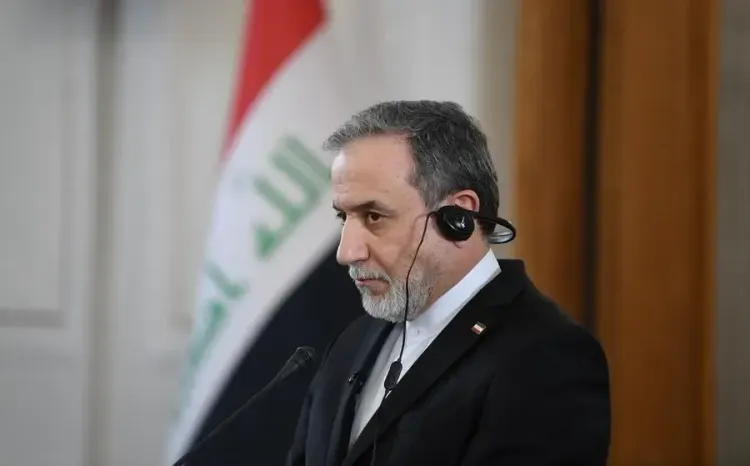
In a recent exchange, Iranian Foreign Minister Seyed Abbas Araghchi spoke with his Indian and Russian counterparts about the escalating conflict involving the U.S., Israel, and Iran. This dialogue emphasizes the urgent need for diplomatic resolutions amidst rising tensions in the region.
Key Takeaways
Diplomatic Engagement: Araghchi's discussions emphasize the need for dialogue amid conflict.
International Law: A call for UN Security Council action based on legal principles.
Consequences of Aggression: Highlighting the impacts of U.S. and Israeli actions on Iran.
Support from India: India's commitment to regional stability is reaffirmed.
Escalation Risks: Ongoing tensions raise concerns for broader regional security.
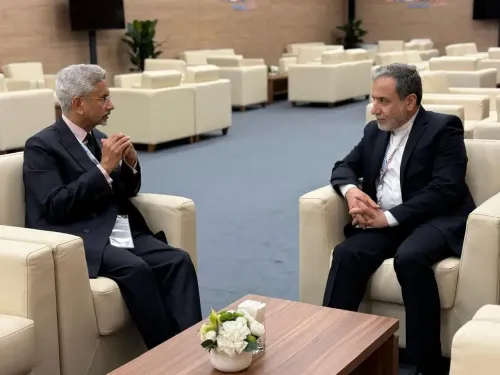
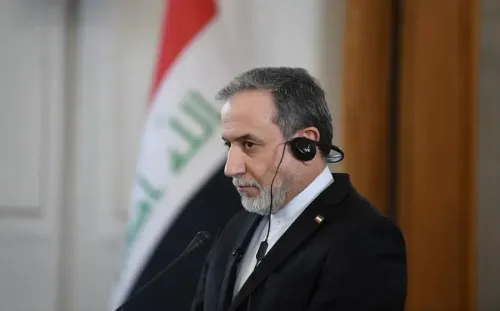
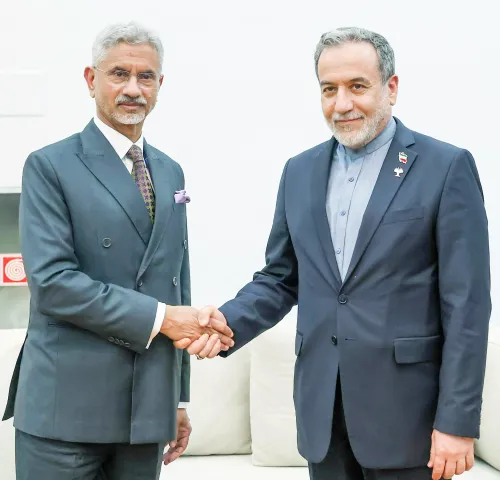
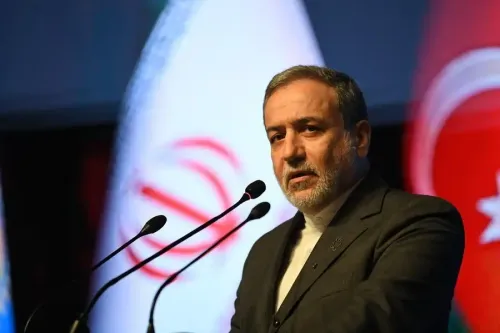
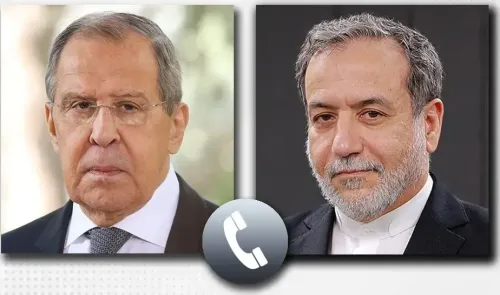
Tehran, April 6 (NationPress) The Iranian Foreign Minister, Seyed Abbas Araghchi, engaged in conversations with his counterparts from Russia and India regarding the ongoing conflict in the region involving the United States, Israel, and Iran. During two distinct phone calls on Sunday, Araghchi addressed the most recent developments in West Asia, as well as the security and economic repercussions stemming from the "aggression" by the US and Israel. This information was released by the Iranian Foreign Ministry.
Araghchi detailed the "atrocities" perpetrated by the United States and Israel against the Iranian populace over the last 37 days. These include assaults on Iranian industrial and production facilities, hospitals, schools, residential neighborhoods, as well as nuclear centers and facilities, as reported by Xinhua news agency.
He called upon all influential members of the UN Security Council to take responsible actions rooted in international law.
He emphasized the unwavering resolve of the Iranian people and armed forces to vigorously defend their national interests and security, cautioning about the ramifications of the US and Israeli "aggression" on both regional and global stability.
In response, Lavrov underscored the necessity of halting the "illegal" strikes against civilian sites, particularly the Bushehr Nuclear Power Plant located in southern Iran, urging the need to seize every opportunity to mitigate the expansion of the conflict.
The Indian Foreign Minister expressed the significance of initiatives aimed at reinstating stability and security in the region, affirming his country's backing for ongoing efforts at both regional and international levels to cease the conflict.
The discussions occurred amidst escalating regional tensions following coordinated US-Israeli attacks on Iran that began on February 28, which have led Iran and its regional allies to retaliate against Israeli and US interests throughout the Middle East.
Point of View
It is crucial to recognize the ongoing tensions in West Asia, particularly the complex interplay of Iran's diplomatic engagements with global powers. The situation demands careful observation, as any miscalculation could have far-reaching implications for regional and global stability.
NationPress
10 Oct 2026
Frequently Asked Questions
What prompted the phone calls between Araghchi and his counterparts?
The phone calls were initiated to discuss the ongoing regional conflict involving the United States, Israel, and Iran, particularly following heightened tensions from U.S.-Israeli military actions.
What were the main topics discussed during these calls?
Key topics included the security and economic impacts of U.S. and Israeli aggression, as well as the necessity for responsible actions from the UN Security Council.
How has Iran responded to the recent attacks?
Iran has expressed its firm determination to defend its national interests and has highlighted the consequences of these aggressions on regional and global stability.
What role did the Indian Foreign Minister play in these discussions?
The Indian Foreign Minister emphasized the importance of restoring stability and security in the region and indicated India's support for efforts to end the conflict.
What are the implications of these diplomatic talks?
These discussions could potentially lead to greater international cooperation to address the escalating tensions and seek a resolution to the conflict.