Iran's Foreign Minister Warns US Actions Could Derail Peace Talks
Synopsis
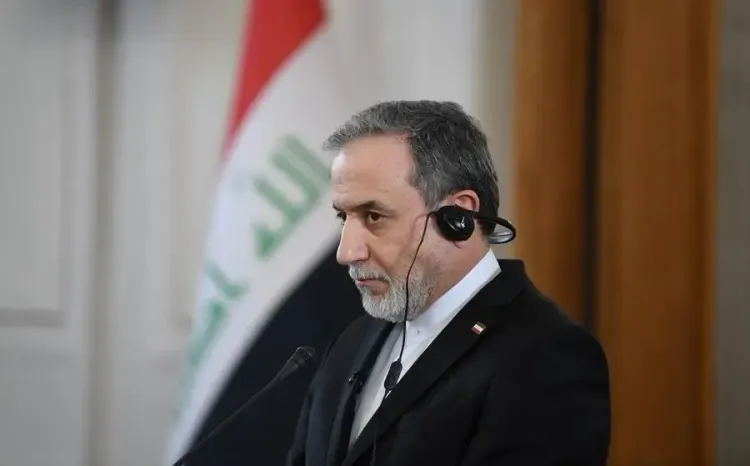
Iran's Foreign Minister Seyed Abbas Araghchi has raised concerns that US provocations and ceasefire violations pose serious challenges to peace negotiations. As tensions escalate, the future of diplomacy remains uncertain.
Key Takeaways
US actions pose challenges to Iran-US peace talks.
Ceasefire remains fragile after recent conflicts.
Iran's participation in talks depends on US compliance with preconditions.
Diplomatic relations are tense due to contradictory actions from the US.
Regional stability is at risk following military escalations.
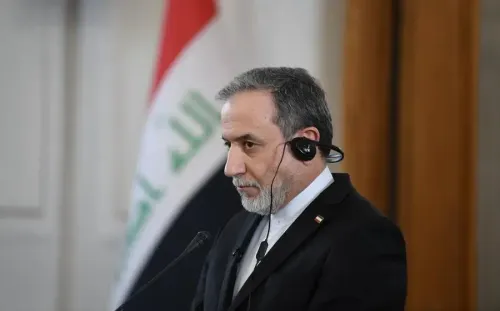
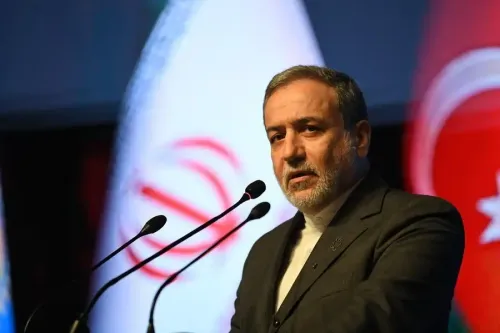
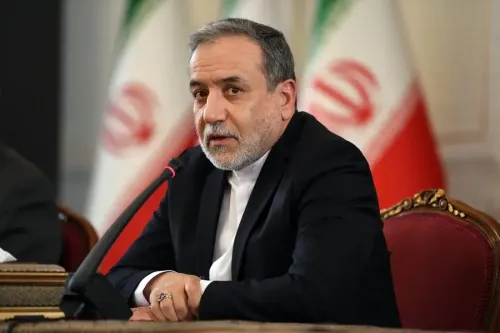
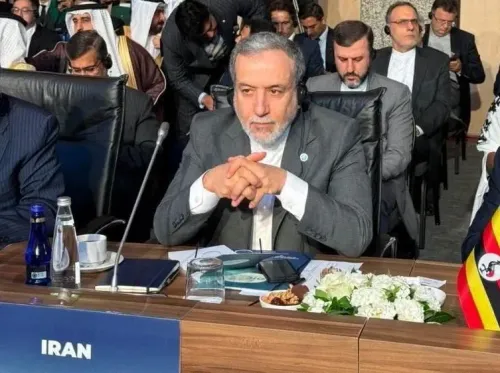
Tehran, April 21 (NationPress) - Iran's Foreign Minister, Seyed Abbas Araghchi, has expressed that the provocative actions of the United States and breaches of ceasefire are significant hurdles to the ongoing peace discussions between the two nations.
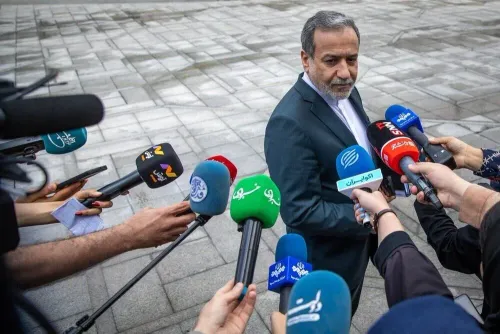
In phone conversations with his counterparts from Pakistan and Russia, Araghchi denounced US actions against Iranian commercial vessels, including the alleged capture of the container ship Touska and its crew. He pointed out the contradictory positions and threatening rhetoric emanating from Washington, as per a statement from the Foreign Ministry.
The ceasefire, which was established on April 8 following 40 days of conflict, is currently in a delicate state. Pakistan has been facilitating indirect negotiations between Tehran and Washington, hosting the initial round in Islamabad on April 11 and 12. However, Iran has not confirmed its involvement in subsequent discussions, as reported by Xinhua news agency.
According to Iran's semi-official Tasnim news agency, Tehran's participation hinges on the US fulfilling certain preconditions. The agency highlighted a US naval blockade and unreasonable demands as major impediments.
Araghchi noted that Iran's decision to engage in diplomacy will depend on the overall context and the behavior of the US, emphasizing that Tehran will take measures to secure its interests and national security.
Earlier on Monday, Iran clarified, citing inconsistent actions from Washington, that no decision has been made regarding participation in the next round of negotiations with the US.
Esmaeil Baqaei, the spokesperson for the Iranian Foreign Ministry, stated during a press conference in Tehran, "We have not yet made any decisions concerning the upcoming negotiations." He criticized the US for its contradictory actions while professing to seek diplomatic solutions. He noted that from the outset of the ceasefire, Iran has encountered bad faith and ongoing grievances from Washington.
Baqaei also pointed out that the US initially claimed that Lebanon was excluded from the ceasefire, despite asserting otherwise.
Tensions have escalated following joint US-Israeli strikes on Tehran and various Iranian cities, commencing on February 28, which resulted in the deaths of Iran's then-Supreme Leader Ali Khamenei, high-ranking commanders, and civilians. In retaliation, Iran launched missile and drone attacks targeting US and Israeli assets throughout the Middle East.
Point of View
It becomes evident that the relationship between Iran and the US is fraught with challenges. The ongoing ceasefire and potential peace negotiations hang in the balance, reflecting a complex interplay of international diplomacy and national interests.
NationPress
16 Sept 2026
Frequently Asked Questions
What are the main obstacles to peace talks between Iran and the US?
The main obstacles include US provocative actions, ceasefire violations, and conflicting demands from both sides.
What was Iran's response to the US's actions?
Iran condemned US actions against its commercial shipping and criticized the US for engaging in contradictory rhetoric while claiming to pursue diplomacy.
Is Iran participating in upcoming negotiations?
Iran has not confirmed its participation in the next round of negotiations and indicated that its involvement depends on the US meeting certain preconditions.
What triggered the recent escalation in tensions?
The tensions escalated following joint US-Israeli attacks on Iranian cities, resulting in significant casualties among Iranian leaders and civilians.
What steps is Iran considering regarding its national security?
Iran plans to evaluate its diplomatic approach based on US behavior and will take necessary actions to safeguard its national security.