Iran Demands Total and Lasting Resolution to Ongoing Conflict, Says Araghchi
Synopsis
In a significant statement, Iranian Foreign Minister Seyed Abbas Araghchi declares that Iran is pursuing a total and lasting resolution to the conflict, rejecting temporary ceasefires and demanding guarantees against future attacks. Tensions rise as the UK faces warnings from Tehran regarding military involvement.
Key Takeaways
Iran is seeking a comprehensive end to the war .
US-Israeli strikes are condemned as illegal aggression .
Any resolution must include guarantees against future attacks .
Iran is open to facilitating Japanese maritime passage .
Warnings issued to the UK regarding military involvement .
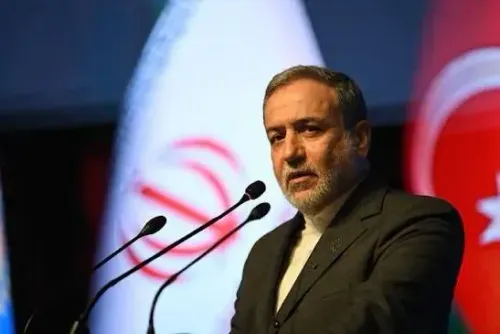
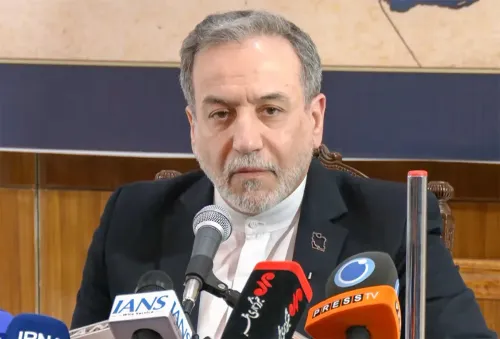
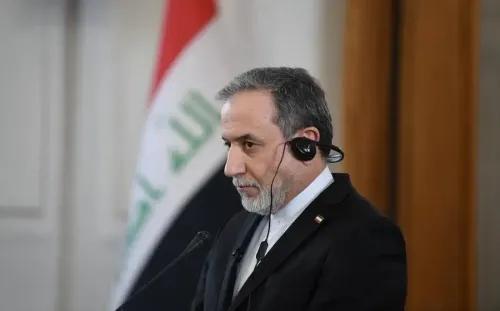
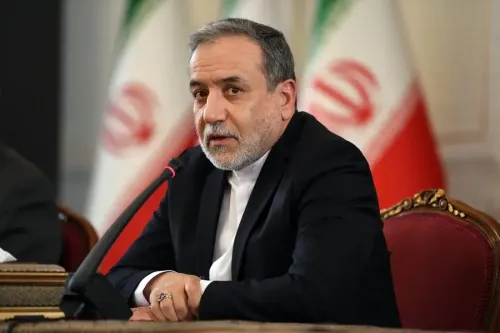
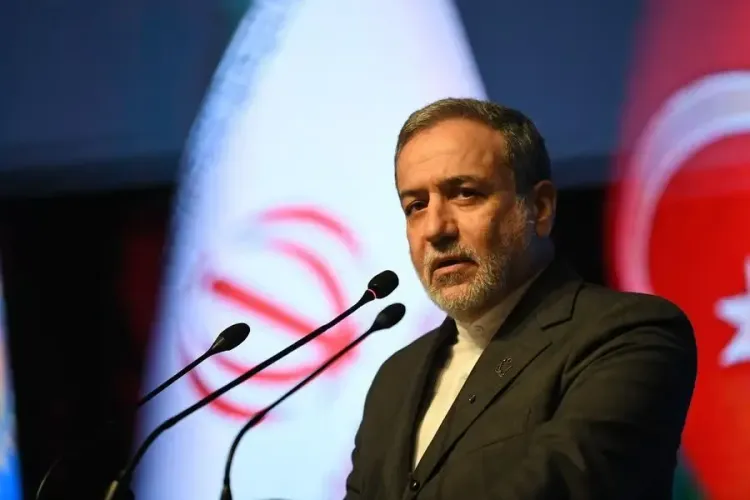
Tehran, March 21 (NationPress) The Iranian Foreign Minister, Seyed Abbas Araghchi, emphasized that Iran's goal is not merely a ceasefire, but a thorough, all-encompassing, and enduring resolution to the ongoing conflict, as reported by Kyodo News.
In a recent phone interview with Kyodo News, Araghchi condemned the US-Israeli military actions against Iran, labeling them as illegal and unprovoked aggression. He urged the global community to unite against such attacks.
He highlighted that while various nations are attempting to mediate an end to the hostilities, Iran has dismissed offers for a temporary ceasefire, insisting that any agreement must provide assurances against future aggressions and reparations for the damages caused during the conflict, as reported by Xinhua, citing Kyodo News.
Araghchi pointed out that despite ongoing diplomatic initiatives, the United States has not yet shown a willingness to engage in a substantive resolution.
The report also mentioned that Tehran is open to facilitating the transit of Japanese vessels through the Strait of Hormuz, a crucial route for international energy transport, and discussions with Japan on this matter are in progress.
In addition, Araghchi issued a stern warning to the United Kingdom on Saturday, indicating that Tehran would take action if the UK's involvement in the conflict escalates.
On a post shared on X, Araghchi stated, “The vast majority of the British populace is against participating in the Israel-US conflict concerning Iran. By disregarding his own citizens, Mr. Starmer is jeopardizing British lives by permitting the use of UK bases for aggression against Iran. Iran will defend itself vigorously.”
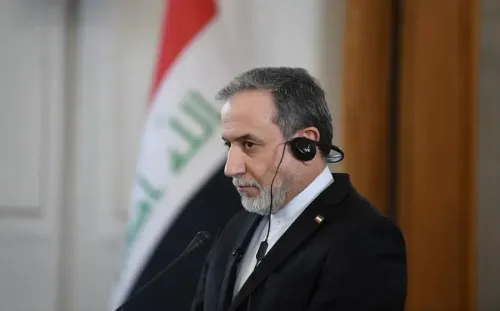
This statement comes amid escalating tensions following reports that US forces have been permitted entry to British military installations. Reports indicate that Araghchi expressed similar concerns during a conversation with UK Home Secretary Yvette Cooper, warning that such collaboration would be perceived as complicity in aggression against Iran.
However, the UK government responded firmly. In the same dialogue, Cooper cautioned Iran against targeting “UK bases, territory, or interests,” emphasizing the potential for further escalation.
Point of View
This situation reflects the high-stakes environment of international relations where Iran's insistence on a comprehensive resolution showcases its commitment to sovereignty and security. The call for international solidarity against aggression reveals a critical moment for geopolitical stability.
NationPress
22 Sept 2026
Frequently Asked Questions
What is Iran's current stance on the conflict?
Iran is seeking a complete and lasting resolution to the conflict, rejecting temporary ceasefires.
How does Iran view US-Israeli actions?
Iran condemns US-Israeli strikes as illegal and unprovoked acts of aggression.
What demands does Iran have for any resolution?
Iran demands guarantees against future attacks and compensation for damages incurred during the conflict.
What is Iran's position regarding Japan?
Iran is ready to facilitate the passage of Japanese vessels through the Strait of Hormuz.
What warning did Araghchi issue to the UK?
Araghchi warned that Iran would respond if the UK's involvement in the conflict escalates.