Iran's Firm Stand on Self-Defense Post Khamenei's Death
Synopsis
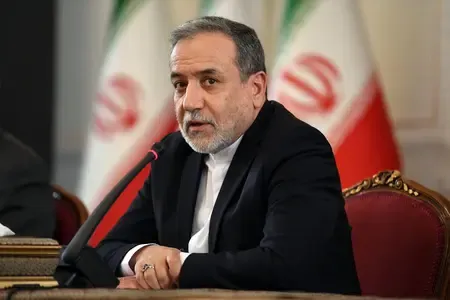
In the wake of US airstrikes that killed Supreme Leader Khamenei, Iran's Foreign Minister Abbas Araghchi declares a resolute stance on self-defense, rejecting US aggression and signaling a commitment to respond without compromise.
Key Takeaways
Iran's Foreign Minister condemns US strikes Tehran asserts its right to self-defense No signs of de-escalation from Iran US military operations targeting Iran's missile capabilities will continue Iran enters a transition phase following Khamenei's death
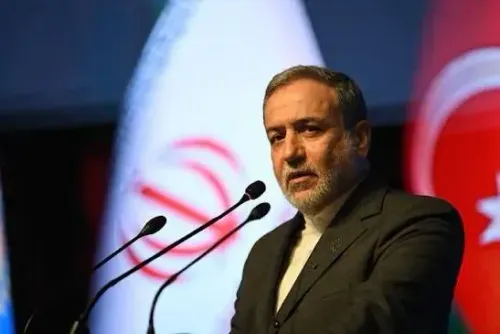
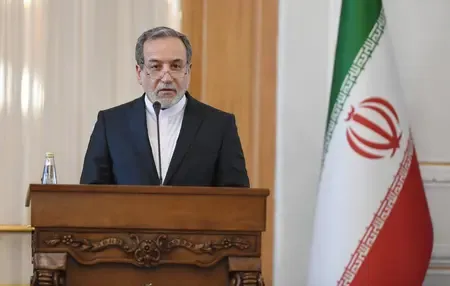
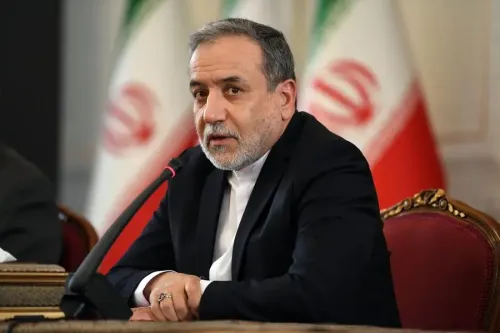
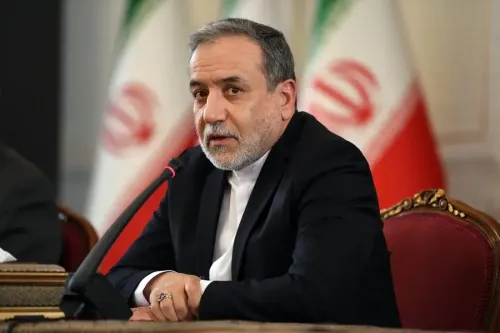
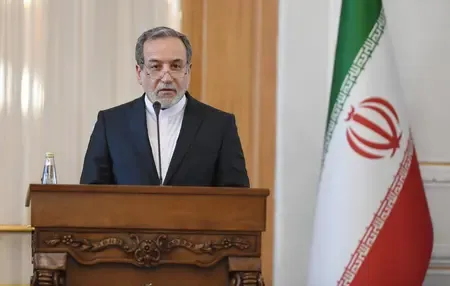
On March 1, in a statement reported by NationPress, Iran's Foreign Minister, Abbas Araghchi, strongly criticized the US military actions that resulted in the death of Supreme Leader Ayatollah Ali Khamenei, labeling them as an unlawful act of aggression. He emphasized that Tehran would not back down in its response.
During an interview with ABC News, Araghchi dismissed the US's rationale for the strikes, asserting, “The actions of the United States represent an act of aggression. Our response is rooted in self-defence.”
This statement reinforces Iran's diplomatic and legal stance, depicting the US as the instigator and framing Iran's actions as legitimate under international law.
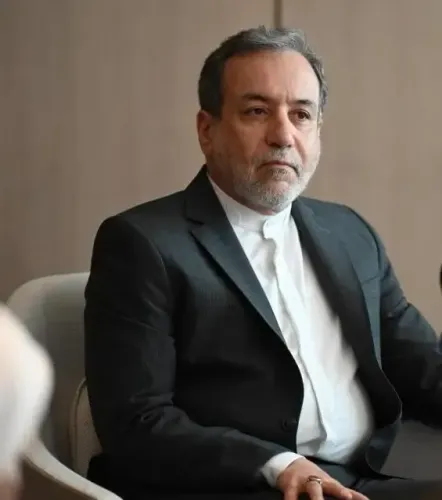
Araghchi did not indicate any willingness to de-escalate the situation. “We will defend ourselves, whatever it takes,” he declared.
The language of his remarks suggests an open-ended commitment to retaliate. He refrained from providing details on potential timelines, targets, or a readiness for negotiations.
His comments arise amidst US assertions of an ongoing campaign aimed at disrupting Iran's missile capabilities. However, Araghchi did not acknowledge any damage to Iran's military strength or suggest political instability following Khamenei's passing.
Meanwhile, US lawmakers signaled that military operations would persist. Senate Intelligence Committee Chairman Tom Cotton remarked that the approaching days would see a “methodical and systematic focus on Iran’s missiles, including its launchers and manufacturing capabilities.”
He cautioned, “Iran will continue to target our bases in the region, our Arab allies, and Israel.”
Other US officials raised concerns regarding the intelligence that justified the strikes. Senator Mark Warner stated, “There was no imminent threat to the United States.”
He added, “We have minimal insight into what will unfold following the elimination of the supreme leader.”
Senator Adam Schiff also criticized the scale of the military actions, asserting, “There was no justification for such an extensive military campaign aimed at regime change.”
With the death of its supreme leader, Iran enters a transitional phase. According to its constitution, the Assembly of Experts is tasked with selecting a successor, although the Islamic Revolutionary Guard Corps wields substantial influence within the governance structure.
For the time being, Tehran's message remains resolute. Araghchi’s statements leave little room for interpretation: Iran does not consider itself defeated, and any response will be executed “whatever it takes.”
Point of View
It is crucial to approach the events surrounding Khamenei's death with a balanced perspective. Iran's assertion of self-defense against perceived aggression from the US highlights the complex geopolitical landscape and the potential for further escalation. The international community watches closely as Iran navigates this pivotal moment.
NationPress
19 Sept 2026
Frequently Asked Questions
What did Iran's Foreign Minister say about US strikes?
Abbas Araghchi condemned the US strikes that killed Khamenei, calling them unlawful aggression and reaffirming Iran's commitment to self-defense.
How is Iran responding to the US military actions?
Iran has declared that it will defend itself 'whatever it takes,' indicating a readiness for potential retaliation.
What is the current political situation in Iran after Khamenei's death?
Iran is entering a transitional phase; the Assembly of Experts will select a new leader, while the Islamic Revolutionary Guard Corps holds significant influence.
What do US officials say about the ongoing military operations?
US officials, including Senator Tom Cotton, have stated that military operations targeting Iran’s missile capabilities will continue.
Is there a possibility of negotiations between Iran and the US?
Currently, Iran's Foreign Minister did not indicate any readiness for negotiations, emphasizing a firm defensive stance.