Trump: Iran fired on South Korean ship amid Project Freedom tensions
Synopsis
Trump's social media post revealed a significant escalation: Iran reportedly fired on a South Korean cargo ship during US-led Project Freedom operations, with American forces downing seven Iranian fast boats. Washington is now pressing Seoul to join the mission — pulling a third nation into what was already a volatile US-Iran standoff in the world's most critical oil chokepoint.
Key Takeaways
Donald Trump said Iran fired on vessels of "unrelated nations", including a South Korean cargo ship , amid Project Freedom operations.
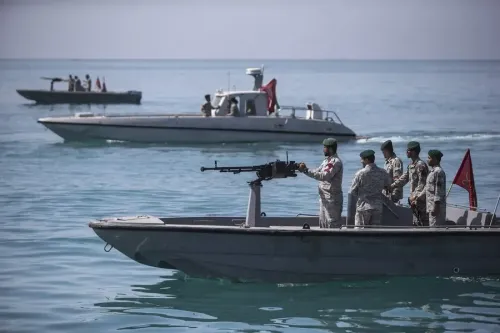
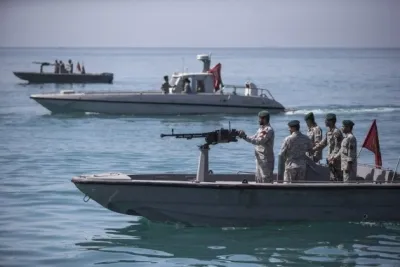
US forces reportedly shot down seven Iranian fast boats during the standoff.
Trump called on South Korea to join the maritime mission, signalling Washington's push for allied participation.
A military briefing by Pete Hegseth and Dan Caine was scheduled for Tuesday .
Trump said there had been "no damage going through the Strait" beyond the South Korean ship incident at that moment.
The Strait of Hormuz , between Iran and Oman, handles a significant share of daily global crude oil transit.
US President Donald Trump on Monday said Iran had fired on vessels belonging to "unrelated nations" as part of escalating tensions around Project Freedom, a United States-led maritime initiative aimed at securing critical commercial shipping lanes. The statement, posted on social media, raised fresh concerns over safety in the Strait of Hormuz — one of the world's most vital oil transit corridors.
What Trump Said
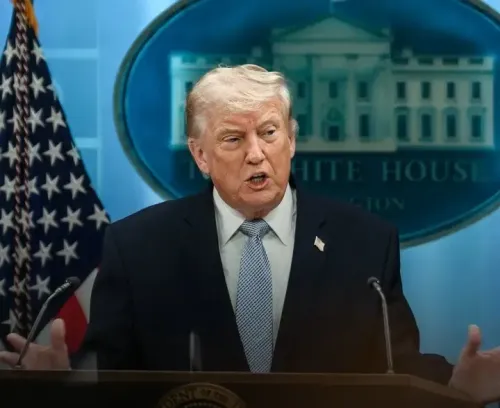
"Iran has taken some shots at unrelated Nations with respect to the Ship Movement, PROJECT FREEDOM, including a South Korean Cargo Ship," Trump wrote in his post. He specifically called on Seoul to step up its participation, adding: "Perhaps it's time for South Korea to come and join the mission!"
Trump also confirmed that US forces had engaged Iranian vessels during the standoff. "We've shot down seven small Boats or, as they like to call them, 'fast' Boats. It's all they have left," he said. He added that, beyond the South Korean ship incident, there had been "no damage going through the Strait" at that moment.
Military Briefing Announced
Trump announced that a formal military briefing was scheduled for Tuesday. "Secretary of War Pete Hegseth and Chairman of the Joint Chiefs of Staff, Dan Caine, will have a News Conference tomorrow morning," he said. The briefing is expected to provide a more detailed operational picture of US naval activity in the region.
The Strait of Hormuz: Why It Matters
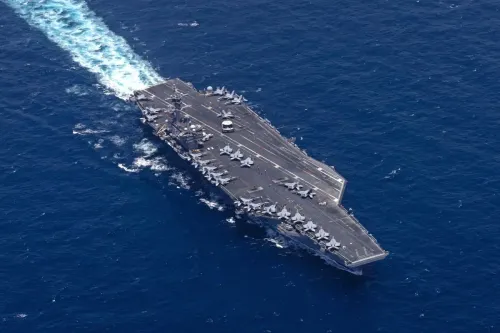
The Strait of Hormuz, situated between Iran and Oman, is among the world's most strategically significant chokepoints. A substantial share of global crude oil transits through it daily, making any disruption there a potential trigger for energy price shocks worldwide. The US has historically maintained a naval presence in the region to ensure freedom of navigation, and Iran has repeatedly warned against foreign military activity near its waters.
Broader Implications
Trump's reference to a South Korean cargo ship being targeted signals that the tensions are no longer confined to direct US-Iran friction — third-party nations are now being drawn into the standoff. His public call for Seoul to join Project Freedom reflects Washington's broader push for allied burden-sharing in the region. This comes amid a pattern of the US seeking coalition participation in maritime security operations, particularly in the Persian Gulf and Red Sea corridors. Notably, similar allied coalitions were assembled during the Houthi shipping disruptions in the Red Sea in 2024, underscoring a recurring challenge for Washington in rallying multilateral naval support.
Iran has not officially commented on Trump's specific claims, according to available reports. The situation remains fluid ahead of Tuesday's military press conference.
Point of View
Washington is applying public pressure on Seoul to contribute naval assets, a tactic the US has used before with Gulf allies. The deeper question is whether Iran's actions constitute a deliberate escalation or opportunistic probing of US resolve. Either way, the Strait of Hormuz is back at the centre of global energy risk calculus, and with Tuesday's military briefing still ahead, the full operational picture remains incomplete.
NationPress
25 Sept 2026
Frequently Asked Questions
What is Project Freedom, the US maritime initiative?
Project Freedom is a United States-led maritime operation aimed at securing commercial shipping lanes, particularly in strategically sensitive waterways. Trump has called on allied nations, including South Korea, to participate in the mission.
What did Iran allegedly do during Project Freedom operations?
According to Trump's social media post, Iran fired on vessels belonging to nations not directly involved in the US-Iran dispute, including a South Korean cargo ship. US forces reportedly shot down seven Iranian fast boats in response.
Why is the Strait of Hormuz significant?
The Strait of Hormuz, located between Iran and Oman, is one of the world's most critical oil transit chokepoints. A significant share of global crude oil passes through it daily, meaning any disruption can trigger energy price shocks worldwide.
Who will brief the media on the US military response?
Trump announced that Secretary of War Pete Hegseth and Chairman of the Joint Chiefs of Staff Dan Caine would hold a news conference on Tuesday to provide further details on the situation.
Why is South Korea being drawn into the US-Iran standoff?
Trump explicitly called on South Korea to join Project Freedom after a South Korean cargo ship was reportedly targeted by Iran. The move reflects Washington's broader strategy of seeking allied burden-sharing in maritime security operations in the Persian Gulf region.