Trump Sends Stark Warning to Iran Regarding Hormuz Strait Amid Rising Regional Tensions
Synopsis
In a significant escalation of rhetoric, President Donald Trump warns Iran about the Strait of Hormuz, threatening severe consequences. As military operations intensify, leaders express concerns over the potential for a prolonged conflict and its humanitarian costs.
Key Takeaways
Trump's Warning: A direct threat to Iran regarding the Strait of Hormuz.
Military Operations: Ongoing U.S. military engagement in the region.
Political Concerns: Leaders worried about the potential for a prolonged conflict.
Moral Implications: Ethical dilemmas faced by service members highlighted.
Economic Impact: Rising gas prices linked to military decisions.
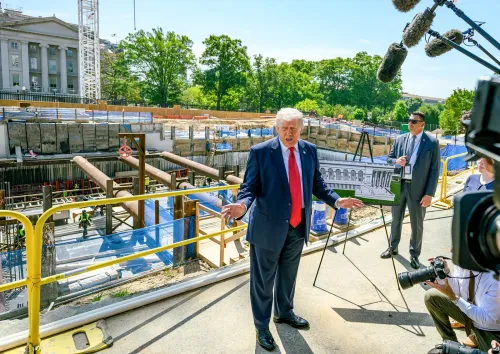
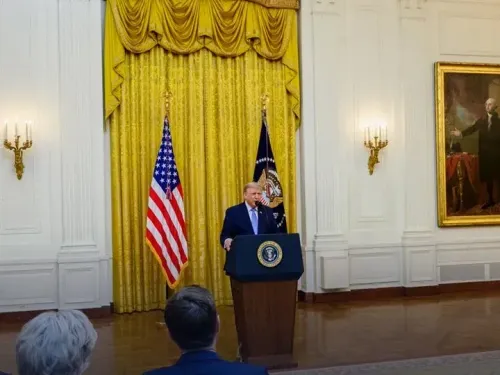
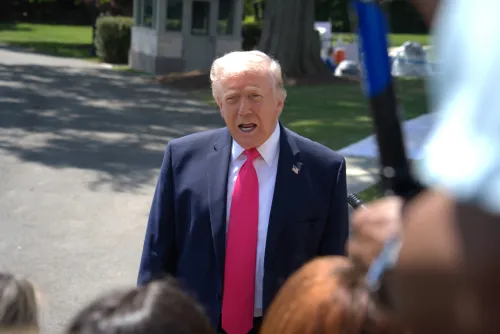
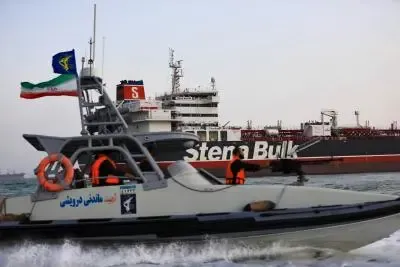
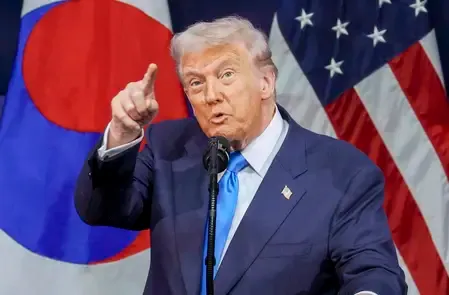
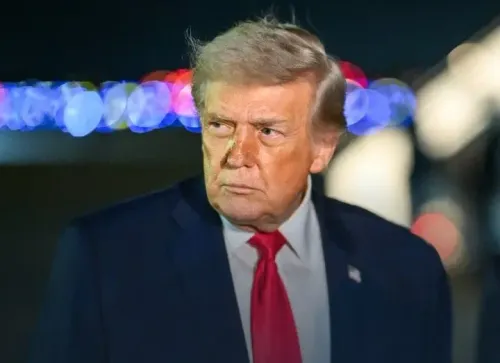
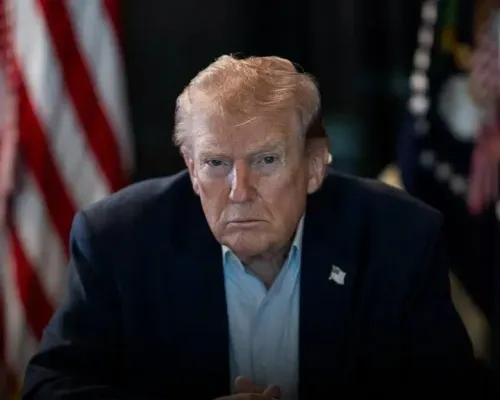
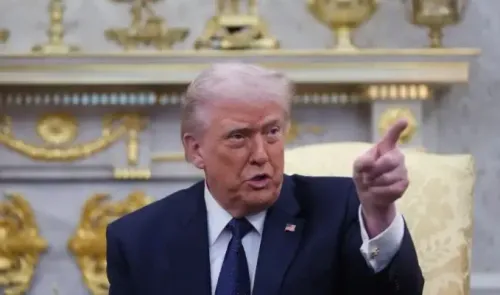
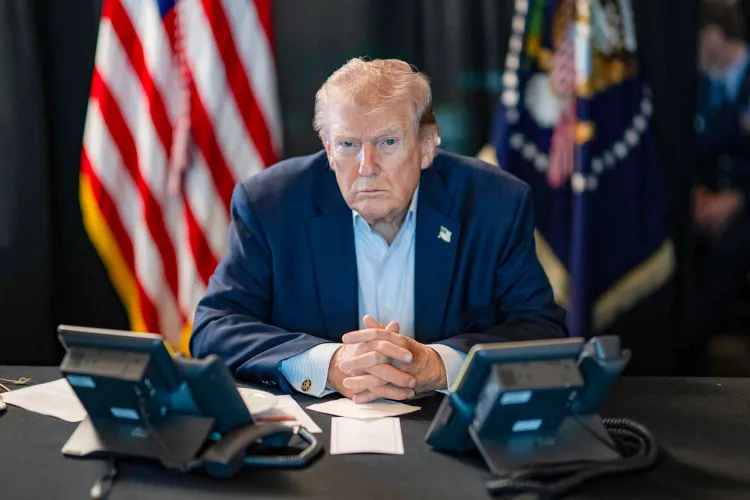
Washington, April 5 (NationPress) President Donald Trump has issued a stern warning to Iran regarding the Strait of Hormuz, indicating potential severe repercussions in a social media update that highlights the escalating tensions in the area.
“Tuesday will be Power Plant Day, and Bridge Day, all wrapped up in one, in Iran. There will be nothing like it!!!” Trump proclaimed.
He further stated: “Open the Strait, or you will face serious consequences — just watch.”
As of the time of this report, Iranian officials had not made any public comments.
This situation unfolds as the United States is already involved in military operations with Iran, including search and rescue missions after a U.S. fighter jet was allegedly shot down within Iranian territory, according to details shared during a televised interview.
The rising tensions have raised alarms among political and moral leaders, who expressed concerns about the dangers of an extended conflict and its humanitarian implications.
Maryland Governor Wes Moore, appearing on CBS News’ Face the Nation, warned against sliding into yet another prolonged military engagement.
“We are very dangerously lurching again into another forever war,” Moore remarked, reflecting on previous U.S. military operations.
He emphasized that “no one understands or has articulated to us what exactly we are doing, or what success looks like,” demanding clearer communication from the administration.
Moore also connected the growing domestic economic challenges to the ongoing conflict, pointing out that governors “cannot control the fact that gas prices have surged by over $1 because we opted to enter into another war of choice.”
From a moral standpoint, Archbishop Timothy Broglio, who leads Catholic chaplains serving U.S. military personnel, questioned the rationale behind the conflict.
“I would think under the just war theory, it is not,” Broglio stated, adding that the conflict seems to address a threat “before the threat is actually realized.”
He underscored the impact on both civilians and military personnel, noting that “lives are being lost, both there and among our troops.”
Broglio also pointed out the ethical challenges faced by service members, explaining that soldiers are often required to follow orders unless they are “clearly immoral,” while encouraging them “to do as little harm as you can, and to try and preserve innocent lives.”
He concluded by stating that framing the conflict in religious terms poses a challenge, noting that “the Lord Jesus certainly brought a message of peace” and that it is difficult “to portray this war as something that would be sponsored by the Lord.”
Point of View
The potential for prolonged conflict raises concerns among leaders regarding humanitarian impacts and economic repercussions. A clear understanding of the administration's objectives is crucial for public discourse.
NationPress
5 Oct 2026
Frequently Asked Questions
What did Trump say about Iran?
Trump warned Iran to open the Strait of Hormuz or face serious consequences, emphasizing rising tensions.
How have political leaders reacted?
Political leaders, including Maryland Governor Wes Moore, have expressed concerns about the risks of entering another extended conflict.
What is the current U.S. military involvement with Iran?
The U.S. is engaged in military operations involving search and rescue efforts following the reported downing of a U.S. fighter jet in Iran.
What moral concerns have been raised?
Archbishop Timothy Broglio questioned the justification for conflict, emphasizing the ethical dilemmas faced by service members.
How could this conflict impact gas prices?
Governor Moore noted that the conflict has contributed to rising domestic gas prices, which have increased by over $1.