DR Congo Ebola outbreak may be 3x larger than official count, Africa CDC warns
Synopsis
Africa CDC has disclosed that the DRC Ebola outbreak — already the country's deadliest on record — may be harbouring up to 15,000 true cases against an official confirmed count of just 5,105. The detection gap, attributed to the milder symptoms of the Bundibugyo strain and weak surveillance, means the epidemic's real scale remains dangerously unknown.
Key Takeaways
The Africa CDC estimates the DRC Ebola outbreak could be 2 to 3 times larger than official figures, with only 30–40% of cases being detected.
Modelling by the National Institute of Biomedical Research and Imperial College London puts the true case count between 10,000 and 15,000 .
Official figures as of 20 August stand at 5,105 confirmed cases , 2,420 deaths , and 1,091 recoveries .
The outbreak, caused by the Bundibugyo ebolavirus , has spread to six provinces , with new cases near the Central African Republic border.
The DRC declared the outbreak on 15 May ; it is now the country's largest and deadliest Ebola epidemic on record and the second-largest globally .
The ongoing Ebola outbreak in the Democratic Republic of the Congo (DRC) could be up to three times larger than officially reported, with only 30 to 40 per cent of cases currently being detected, the Africa Centres for Disease Control and Prevention (Africa CDC) warned on Thursday, 20 August. Modelling data suggests the true case burden may already range between 10,000 and 15,000 infections — far beyond the confirmed count.
What the Modelling Shows
The projections come from DRC's National Institute of Biomedical Research, developed in collaboration with Imperial College London and other partners. According to Kyeng Mercy, an Africa CDC official, 'The real burden... should be over 10,000 to 15,000 cases.' She cautioned, however, that 'Models also have their caveats in terms of uncertainty,' adding: 'We are just saying that we are not detecting as much as we should, based on certain indicators.'
Official Figures and Geographic Spread
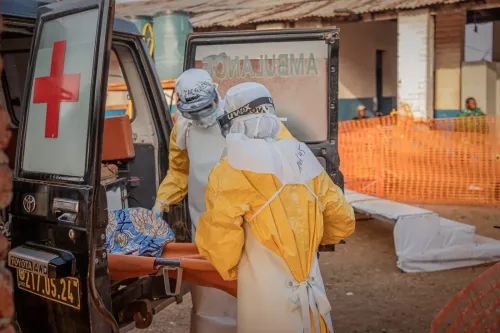
As of Thursday, the Africa CDC reported 5,105 confirmed cases, including 2,420 deaths, with 1,091 patients having recovered. The outbreak has spread across six provinces — Ituri, North Kivu, South Kivu, Haut-Uele, Tshopo, and Bas-Uele. Two cases have recently been identified in Buta, the capital of Bas-Uele Province, situated close to the border with the Central African Republic, raising cross-border transmission concerns.
Why Cases Are Being Missed
Yap Boum II, head of the emergency preparedness and response division at the Africa CDC, attributed the detection gap partly to the nature of the virus strain itself. The outbreak is caused by the Bundibugyo ebolavirus, which can produce milder and less typical symptoms compared to the better-known Zaire ebolavirus, making identification harder in the field. Fewer than 10 per cent of detected cases are currently among known contacts, and fewer than 40 per cent have an established epidemiological link to a confirmed case — both indicators of significant under-surveillance.
Scale and Historical Context
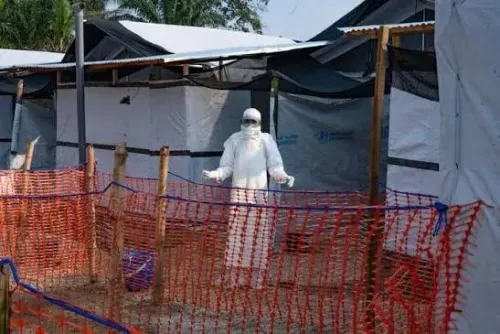
The DRC declared the current Ebola outbreak on 15 May. It has since become the country's largest and deadliest Ebola epidemic on record and the second-largest globally. This comes amid longstanding challenges in reaching remote and conflict-affected communities in eastern DRC, where healthcare infrastructure is severely strained. Notably, the DRC has experienced more than a dozen Ebola outbreaks since the virus was first identified there in 1976, but none of this scale.
What Happens Next
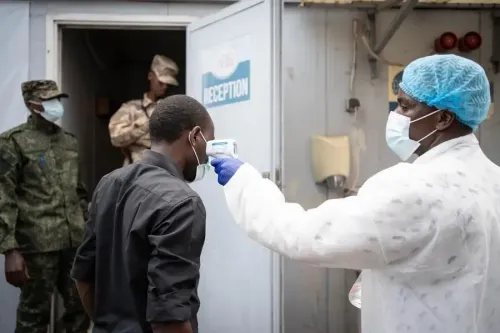
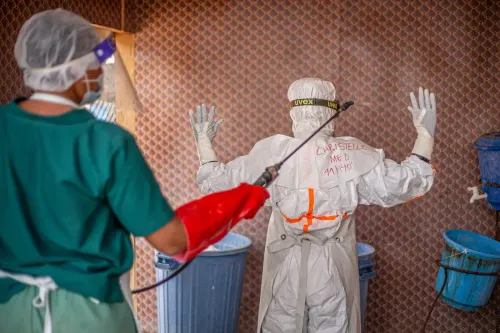
The Africa CDC's disclosure of the modelling gap signals an urgent need for expanded surveillance, contact tracing, and community engagement across affected provinces. With cases now surfacing near an international border, regional health authorities in neighbouring countries are on heightened alert. The trajectory of the outbreak will depend heavily on whether detection rates can be substantially improved in the weeks ahead.
Point of View
420 is alarming enough — but the Africa CDC's admission that actual infections could exceed 15,000 exposes a surveillance failure of serious proportions. The Bundibugyo strain's milder presentation is a known variable; that it has been allowed to mask transmission at this scale points to systemic gaps in contact tracing and community health infrastructure in eastern DRC. With cases now surfacing near the Central African Republic border, the window for containing this within national boundaries is narrowing. The international response has yet to match the stated scale of the problem.
NationPress
5 Oct 2026
Frequently Asked Questions
How large is the DR Congo Ebola outbreak in 2025?
As of 20 August, the DRC has officially recorded 5,105 confirmed cases and 2,420 deaths. However, the Africa CDC estimates the true case burden could be between 10,000 and 15,000, as only 30 to 40 per cent of infections are currently being detected.
Why are so many Ebola cases going undetected in the DRC?
Africa CDC officials attribute the detection gap to the Bundibugyo ebolavirus strain, which causes milder and less typical symptoms than the Zaire strain, making it harder to identify. Fewer than 10 per cent of detected cases are among known contacts, indicating weak surveillance and contact tracing.
Which provinces in the DRC are affected by the Ebola outbreak?
The outbreak has spread to six provinces: Ituri, North Kivu, South Kivu, Haut-Uele, Tshopo, and Bas-Uele. Two cases have recently been reported in Buta, the capital of Bas-Uele Province, near the border with the Central African Republic.
When did the DRC declare the current Ebola outbreak?
The DRC declared the current Ebola outbreak on 15 May. It has since become the country's largest and deadliest Ebola epidemic on record and the second-largest globally.
What is the Bundibugyo ebolavirus and how does it differ from Zaire Ebola?
The Bundibugyo ebolavirus is one of several species of the Ebola virus. It typically causes milder and less distinctive symptoms compared to the Zaire ebolavirus, the strain responsible for the 2014–16 West Africa epidemic. This makes Bundibugyo cases harder to detect and trace, contributing to the current surveillance gap in the DRC.