Trump claims Iran fired at South Korean ship, urges Seoul to join Hormuz mission
Synopsis
A South Korean cargo ship operated by HMM Co. was rocked by an explosion in the Strait of Hormuz just as the US launched Project Freedom — a 15,000-troop operation to restore freedom of navigation. Trump publicly called out Seoul to join the mission, raising the stakes for an ally that depends on the waterway for a fifth of its energy imports.
Key Takeaways
Donald Trump claimed Iran fired on a South Korean cargo vessel in the Strait of Hormuz as the US launched Project Freedom .
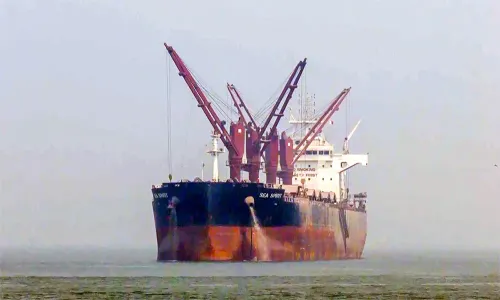
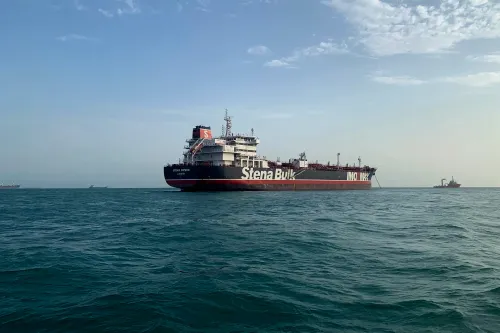
The vessel, a Panama-flagged ship operated by HMM Co. , suffered an explosion near UAE waters ; no casualties among its 24 crew members were reported.
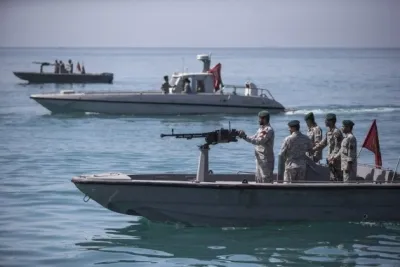
CENTCOM confirmed destruction of six Iranian small boats and interception of Iranian missiles and drones since the operation began.
Project Freedom deploys 15,000 service members, 100+ aircraft, and guided-missile destroyers; two US-flagged vessels have already transited safely.
Trump warned Iran of being "blown off the face of the Earth" if US vessels are targeted, while expressing cautious hope for peace talks.
Non-cooperating allies face consequences: 5,000 US troops to be withdrawn from Germany ; EU car tariffs raised to 25% .
US President Donald Trump has claimed that Iran fired on a South Korean cargo vessel and other targets in the Strait of Hormuz, calling on Seoul to join Project Freedom — a newly launched American operation to restore freedom of navigation through the critical waterway. The remarks came on Monday as the United States commenced the operation to escort commercial vessels stranded by the ongoing US-Israeli war against Iran.
Trump's Post and the HMM Vessel Incident
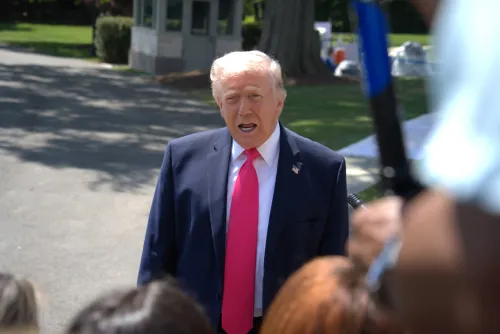
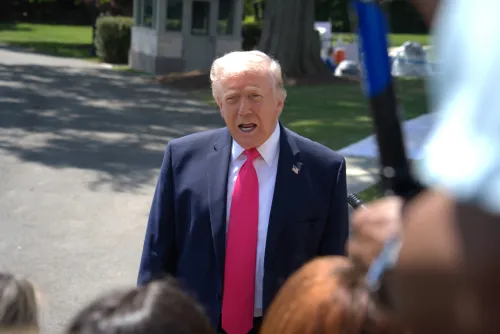
Trump made the claim in a post on Truth Social, writing: "Iran has taken some shots at unrelated Nations with respect to the Ship Movement, PROJECT FREEDOM, including a South Korean Cargo Ship. Perhaps it's time for South Korea to come and join the mission!" He added that the US had "shot down seven small Boats" and that, aside from the South Korean ship, no further damage had been reported in the strait at that moment.
The remarks followed a statement from South Korea's foreign ministry confirming that an explosion occurred aboard a Panama-flagged vessel operated by HMM Co., a major South Korean shipping firm, while it was anchored in waters near the United Arab Emirates within the strait. The ship was carrying 24 crew members — six South Koreans and 18 foreign nationals. No casualties were reported, and the cause of the explosion remains under investigation, according to Yonhap news agency.
Project Freedom: Scale and Scope
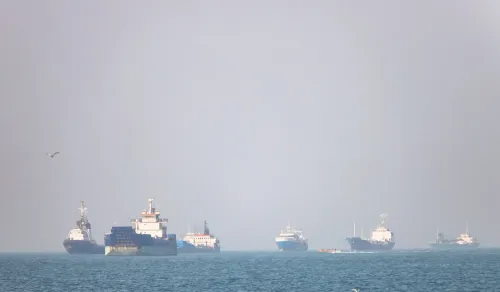
The US Central Command (CENTCOM) confirmed that Project Freedom is deploying guided-missile destroyers, more than 100 land and sea-based aircraft, multi-domain unmanned platforms, and 15,000 service members. CENTCOM Commander Admiral Brad Cooper said the US military had already destroyed six Iranian small boats and intercepted Iranian cruise missiles and drones since the operation commenced, according to Reuters.
Under the operation, the US Navy advises commercial ships on avoiding mines and stands by to intervene if Iran launches an attack, according to Axios. The US currently has no plan for full naval escorts, the outlet added, citing US officials. CENTCOM confirmed on social media platform X that two US-flagged merchant vessels had successfully transited the strait and were safely en route.
Trump's Warning to Iran and Pressure on Allies
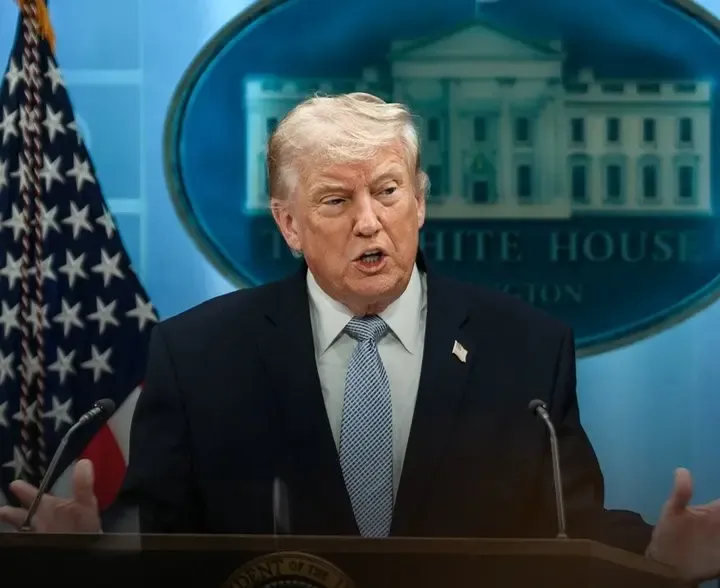
In a phone interview with Fox News, Trump warned that Iranian forces would be "blown off the face of the Earth" should they attempt to target US vessels in the strait. He nonetheless expressed cautious optimism about ongoing peace talks, claiming Iranian negotiators were "far more malleable." The rise in tensions has, however, darkened the prospects for what appears to be a fragile ceasefire between the two sides.
Trump's call for South Korea to join the mission intensifies pressure on an ally that relies heavily on the Strait of Hormuz for its energy imports. The waterway accounts for approximately a fifth of the world's oil supply. Last month, Trump had described South Korea as "not helpful" to the US despite American troops being stationed there, noting the country's proximity to North Korea's nuclear forces.
Consequences for Non-Cooperating Allies
Trump has already taken punitive steps against European nations that have shown limited support for the Iran war or declined to provide naval assistance. The Pentagon announced a plan to withdraw around 5,000 troops from Germany, while Trump said last week he would raise tariffs on cars and trucks from the European Union to 25% from 15%. Analysts note the pattern suggests Seoul could face similar economic or diplomatic pressure if it continues to hold back from the mission.
With the strait effectively blocked by Iran amid the broader Middle East conflict, the coming days will test both the operational effectiveness of Project Freedom and the diplomatic resolve of US allies in the region.
Point of View
A key energy supplier, nor can it afford to be publicly labelled 'not helpful' by its primary security guarantor. The HMM ship explosion, whose cause remains unverified, arrived at a politically convenient moment for Washington. What mainstream coverage underweights is the fragility of Project Freedom's legal and diplomatic scaffolding — navigating a live warzone with commercial vessels, without full naval escorts, is an operational gamble with significant liability if a ship or crew is lost.
NationPress
25 Sept 2026
Frequently Asked Questions
What happened to the South Korean cargo ship in the Strait of Hormuz?
An explosion occurred on a Panama-flagged vessel operated by South Korean shipping firm HMM Co. while it was anchored near UAE waters in the Strait of Hormuz. The ship had 24 crew members on board — six South Koreans and 18 foreign nationals — and no casualties were reported. The cause of the explosion is under investigation.
What is Project Freedom and what does it involve?
Project Freedom is a US military operation launched to restore freedom of navigation in the Strait of Hormuz, which Iran has effectively blocked during the ongoing Middle East conflict. It deploys 15,000 service members, over 100 aircraft, guided-missile destroyers, and unmanned platforms to advise and protect commercial vessels transiting the waterway.
Why is Trump pressuring South Korea to join the Hormuz mission?
Trump argues that South Korea, which depends on the Strait of Hormuz for a significant portion of its energy imports, should contribute to securing the waterway. He has also previously described Seoul as 'not helpful' to the US despite American troops being stationed there near North Korea's nuclear forces.
What action has the US taken against Iran in the strait so far?
According to CENTCOM Commander Admiral Brad Cooper, the US military has destroyed six Iranian small boats and intercepted Iranian cruise missiles and drones since Project Freedom commenced. Trump separately claimed seven small boats were shot down.
What consequences have non-cooperating allies faced?
Trump has moved to withdraw around 5,000 US troops from Germany and announced a tariff increase on EU cars and trucks from 15% to 25%, signalling that allies who do not support the Hormuz mission or the Iran war effort face economic and military consequences.