US launches 'Project Freedom' in Hormuz Strait to free stranded ships
Synopsis
The US has deployed 15,000 troops, 100+ aircraft, and guided missile destroyers into the Strait of Hormuz under 'Project Freedom' — the most significant American naval intervention in the Persian Gulf in years. With 23,000 civilians from 87 countries stranded at sea and seven Iranian fast boats already destroyed, this is no longer a diplomatic standoff. It is an active military operation with global energy markets hanging in the balance.
Key Takeaways
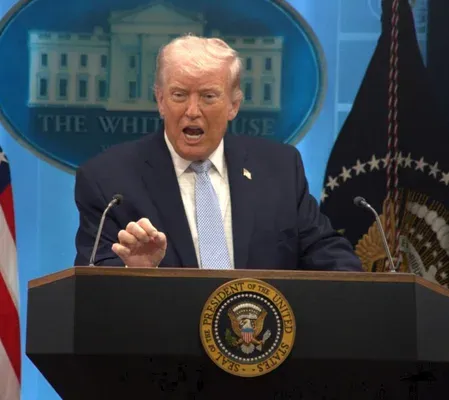
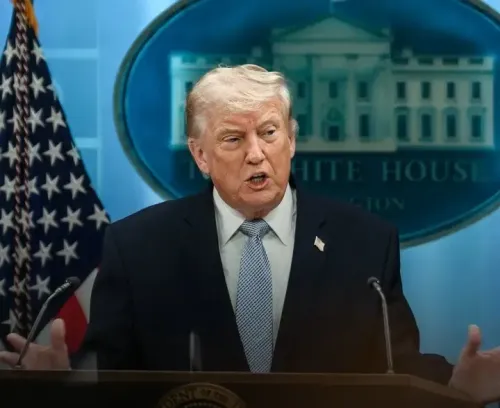
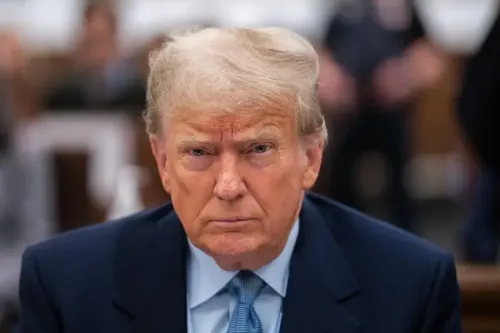
The US launched "Project Freedom" in the Strait of Hormuz , authorised by President Donald Trump .
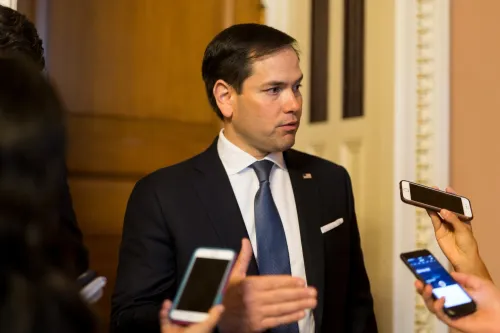
Secretary of State Marco Rubio accused Iran of "piracy" through mine-laying and targeting commercial vessels.
Nearly 23,000 civilians from 87 countries are reportedly stranded aboard commercial ships due to the alleged Iranian blockade.
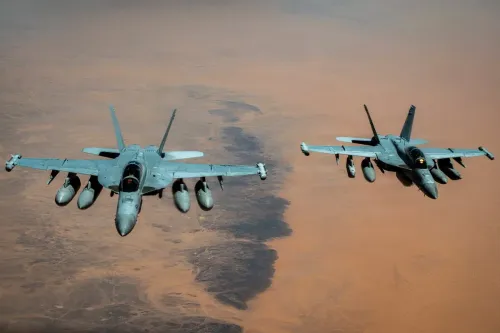
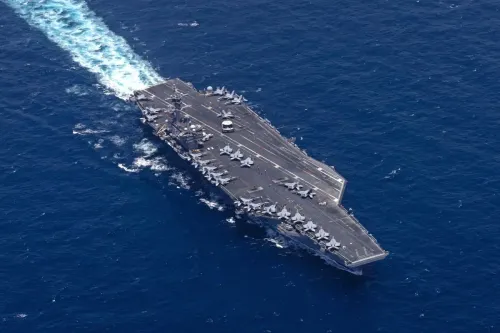
US forces deployed include guided missile destroyers , more than 100 aircraft , unmanned systems , and around 15,000 military personnel .
Seven Iranian fast boats were destroyed after approaching ships despite warnings; two US-flagged vessels have already safely crossed the strait.
The US is also pursuing a UN resolution condemning the alleged blockade and calling for mine removal.
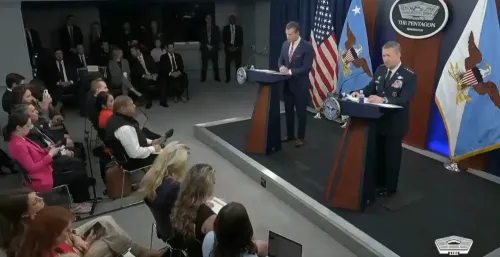
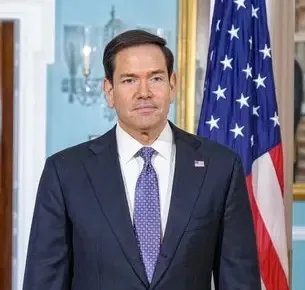
Secretary of State Marco Rubio on Monday announced that the United States has launched a major naval operation — dubbed "Project Freedom" — in the Strait of Hormuz to escort stranded commercial vessels and restore freedom of navigation through one of the world's most critical oil chokepoints. Rubio accused Iran of illegally "holding the global economy hostage" through what he described as a deliberate blockade of the strategically vital waterway.
What Project Freedom Involves
Speaking at the White House, Rubio said President Donald Trump had personally authorised the operation. The forces deployed include guided missile destroyers, more than 100 aircraft, unmanned systems, and approximately 15,000 US military personnel. According to Rubio, US naval and air assets are now forming what he described as a "protective bubble" around commercial shipping transiting the strait.
Two US-flagged merchant vessels had already safely crossed the Strait of Hormuz under the first phase of the operation, Rubio confirmed. He added that US forces had already destroyed seven Iranian fast boats that approached ships despite repeated warnings.
The Scale of the Humanitarian Crisis
Rubio stated that nearly 23,000 civilians from 87 countries remain stranded aboard commercial vessels due to what he characterised as an Iranian blockade. He warned of deteriorating conditions aboard the trapped ships.
"These innocent sailors and commercial crew members have been stranded out at sea," Rubio said. "These ships — you don't leave a ship out there for this long. You start running out of food, you start running out of potable water, essential supplies."
US Accusations Against Iran
Rubio accused Iran of carrying out "piracy" by laying mines in international waters and targeting commercial vessels. He insisted no country has the legal right to mine an international waterway or threaten ships attempting to pass through it.
"This is an international waterway," Rubio said. "No country can control them. There is no international law that allows you to say, I'm going to put mines in an international body of water, and I'm going to blow up ships that don't listen to us and try to go through."
Rubio repeatedly characterised the US operation as defensive in nature. "This is not an offensive operation, this is a defensive operation," he said. "There's no shooting unless we're shot at first."
Nuclear Dimension and Diplomatic Push
The Trump administration has directly linked the maritime crisis to its broader confrontation with Iran over its nuclear programme and regional influence. Rubio warned that a nuclear-armed Iran would pose an exponentially greater threat to global shipping.
"A nuclear armed Iran could do whatever the hell they want with the Straits," he said.
Washington is also pursuing diplomatic action at the United Nations, with Rubio calling on the international community to condemn the alleged blockade, demand the removal of mines, and allow humanitarian relief through the strait. He acknowledged that several countries had privately sought US assistance but said America remained the only nation capable of rapidly projecting sufficient military power into the region.
Why the Strait of Hormuz Matters
The Strait of Hormuz is one of the world's most strategically sensitive maritime chokepoints, connecting the Persian Gulf to global shipping routes. Roughly a quarter of global oil trade passes through its narrow waters. Major Asian economies — including India, China, Japan, and South Korea — are heavily dependent on energy supplies transiting the waterway, making any prolonged disruption a direct threat to regional economic stability.
With US forces now actively clearing the passage and diplomatic pressure mounting at the UN, the coming days will test whether "Project Freedom" can reopen the strait without triggering a broader military confrontation with Iran.
Point of View
000 troops and the destruction of Iranian fast boats already crosses the threshold of active engagement — regardless of how Rubio frames it. What mainstream coverage underplays is the energy exposure of US allies in Asia: India, Japan, and South Korea face immediate supply risk if this escalates further. The nuclear framing by Rubio also signals that Washington sees this maritime crisis as inseparable from the broader Iran file — raising the stakes well beyond a shipping dispute.
NationPress
7 Oct 2026
Frequently Asked Questions
What is 'Project Freedom' in the Strait of Hormuz?
'Project Freedom' is a major US naval operation authorised by President Donald Trump to escort stranded commercial vessels through the Strait of Hormuz and restore freedom of navigation. It involves approximately 15,000 military personnel, over 100 aircraft, guided missile destroyers, and unmanned systems.
Why are ships stranded in the Strait of Hormuz?
According to US Secretary of State Marco Rubio, Iran has effectively blockaded the Strait of Hormuz by laying mines in international waters and targeting commercial vessels, leaving nearly 23,000 civilians from 87 countries stranded at sea. Iran's position has not been independently verified in the source.
Has there been any military engagement so far?
Yes. US forces have destroyed seven Iranian fast boats that approached commercial ships despite warnings, according to Rubio. Two US-flagged merchant vessels have already safely transited the strait under the operation's first phase.
Why does the Strait of Hormuz matter to India and Asia?
Roughly a quarter of global oil trade passes through the Strait of Hormuz. Major Asian economies including India, China, Japan, and South Korea depend heavily on energy supplies routed through the waterway, making any prolonged disruption a direct threat to their energy security and economic stability.
What diplomatic steps is the US taking over the Hormuz crisis?
The US is pushing for action at the United Nations, calling on the international community to condemn the alleged Iranian blockade, demand the removal of mines, and allow humanitarian relief through the strait. Rubio said several countries have privately sought US assistance in resolving the crisis.