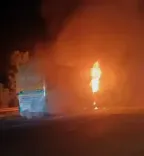
South Korea's PPP slams govt for not naming Iran in cargo vessel attack

Synopsis
South Korea's main opposition is accusing the Lee Jae Myung government of deliberate evasiveness — refusing to name Iran even as Tehran's own state media implied justification for the strike on the HMM-operated Namu in the Strait of Hormuz. With debris analysis pending and 2,000 vessels stranded in the strait, the political and diplomatic stakes for Seoul are rising fast.
Key Takeaways
People Power Party (PPP) criticised the Lee Jae Myung government on Monday for refusing to identify Iran as responsible for the attack on cargo vessel Namu .
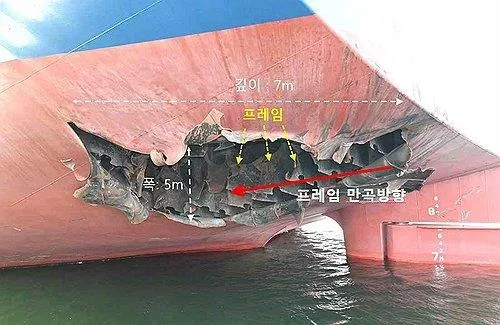
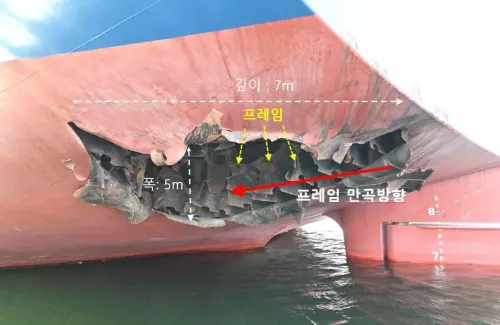
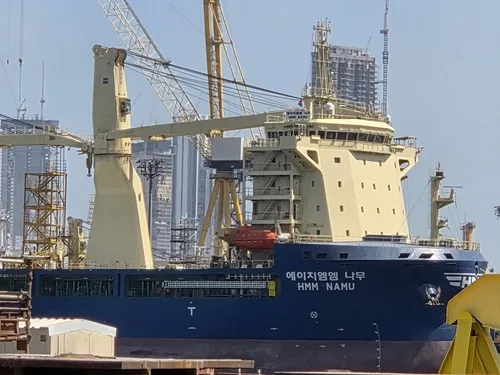
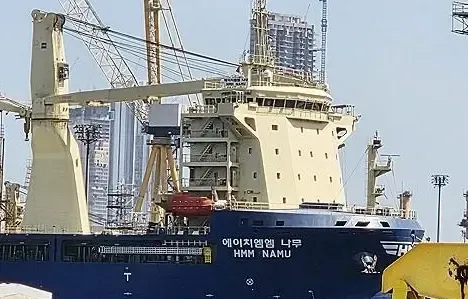
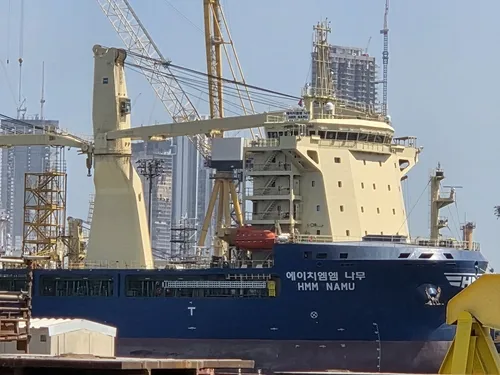
A South Korean investigation confirmed two "unidentified airborne objects" caused an explosion and fire aboard the Panama-flagged Namu , operated by HMM Co.
The vessel carried 24 crew members , including six South Koreans ; no casualties were reported.
Iran's state-run Press TV published commentary implying the strike could be a sovereign right, though the Iranian government denied military involvement.
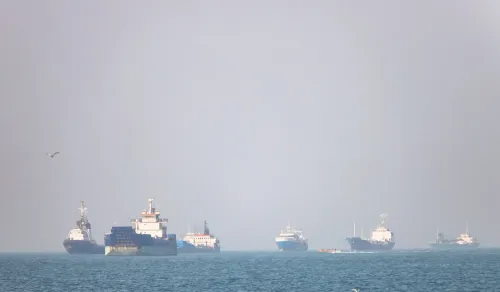
The Namu is among approximately 2,000 vessels stranded in the Strait of Hormuz amid the ongoing US-Israeli military campaign against Iran.
South Korea plans further analysis of engine debris recovered from the scene before assigning blame.
South Korea's main opposition People Power Party (PPP) on Monday sharply criticised the ruling government for downplaying a strike on a South Korean-operated cargo vessel in the Strait of Hormuz and refusing to identify Iran as the party responsible. The opposition's rebuke came after a South Korean investigation concluded that two "unidentified airborne objects" caused an explosion and fire aboard the vessel last week.
What the Investigation Found
A South Korean investigation team determined that two "unidentified airborne objects" triggered an explosion and fire aboard the Panama-flagged cargo vessel Namu, operated by South Korean shipping firm HMM Co., in the conflict-hit strait. Announcing results on Sunday, South Korea's foreign ministry said the objects were captured on surveillance footage, but acknowledged limitations in determining their exact type, origin, and physical size. The ministry added that further analysis of engine debris recovered from the scene is planned, stressing that the government would not prejudge who is to blame.
Opposition's Criticism of the Government
PPP leader Jang Dong-hyeok addressed the matter during a meeting of the party's supreme council, saying the government had initially insisted there were "low chances" the vessel had come under attack. "Now that the strike has been confirmed, it is saying it will not prejudge who was behind the attack," he said. He further charged that the government had "no willingness whatsoever to protect the safety and property of the people."
Jang also pointed to statements by Iranian state media, arguing that Tehran had effectively acknowledged the attack. "It's like the attacker is making a confession, and the person who got hit is denying it," he said.
PPP floor leader Song Eon-seog also took aim at what he described as a delayed response to "a grave security issue with people's lives at stake." He said it took the Lee Jae Myung government nearly a week to officially confirm the vessel had come under attack, and even then, it used the vague expression "unidentified airborne objects."
Iran's Position and State Media Commentary
The Iranian government has denied any military involvement in the attack. However, Iran's state-run Press TV last week published a commentary piece implying that targeting a South Korean vessel that allegedly violated maritime rules could constitute a sovereign right, though it did not provide evidence to support the claim. This stop short of an official admission but has fuelled the opposition's argument that Tehran's involvement is evident.
Situation Aboard the Vessel and Regional Context
The Namu was carrying 24 crew members, including six South Koreans, at the time of the incident. No injuries or casualties have been reported. The vessel, along with approximately 2,000 other ships, has been stranded in the Strait of Hormuz amid the ongoing US-Israeli military campaign against Iran that began in late February. The strait is one of the world's most critical maritime chokepoints, through which a significant share of global energy shipments pass. This incident marks a fresh flashpoint in an already volatile regional security environment, and the outcome of Seoul's debris analysis is likely to shape South Korea's next diplomatic move.
Point of View
While staying silent hands the opposition a potent accountability argument. The Lee Jae Myung government's use of 'unidentified airborne objects' is not just semantics — it is a calculated hedge that buys time but erodes public trust. With Iranian state media having effectively telegraphed justification for the strike, the gap between what Seoul knows and what it says is becoming politically untenable. How Seoul handles the debris analysis results will be the real test of whether it prioritises diplomatic caution or transparent accountability to its own citizens.
NationPress
24 Sept 2026
Frequently Asked Questions
What happened to the South Korean cargo vessel Namu in the Strait of Hormuz?
The Panama-flagged cargo vessel Namu, operated by South Korean shipping firm HMM Co., was struck by two 'unidentified airborne objects' that caused an explosion and fire in the Strait of Hormuz last week. The vessel was carrying 24 crew members, including six South Koreans, with no casualties reported.
Why is South Korea's PPP criticising the government over the Namu attack?
The People Power Party (PPP) says the Lee Jae Myung government initially downplayed the attack and is now refusing to identify Iran as responsible, despite Iranian state media implying justification for the strike. PPP leader Jang Dong-hyeok called the government's stance an abdication of its duty to protect citizens' safety and property.
Has Iran admitted to attacking the South Korean vessel?
The Iranian government has officially denied any military involvement. However, Iran's state-run Press TV published a commentary suggesting that targeting a vessel that violated maritime rules could be a sovereign right, though no evidence was provided. South Korea's opposition has cited this as a de facto acknowledgement.
What is South Korea's government doing next in the investigation?
South Korea's foreign ministry plans to conduct further analysis of engine debris recovered from the scene before assigning blame. The government has stated it will not prejudge who is responsible and acknowledged limitations in determining the exact type, origin, and size of the airborne objects from surveillance footage alone.
Why are so many vessels stranded in the Strait of Hormuz?
Approximately 2,000 vessels, including the Namu, are stranded in the Strait of Hormuz amid the ongoing US-Israeli military campaign against Iran that began in late February. The strait is a critical global maritime chokepoint, and the conflict has severely disrupted shipping in the region.