Karachi domestic violence: 388 adults, 10 minors abused in Jan–Apr 2025
Synopsis
Karachi's Police Women and Child Protection Cell recorded 388 adult and 10 minor victims of abuse in just four months — with nearly 100 domestic violence cases still unresolved. Set against Pakistan's last-place ranking on the Global Gender Gap Index and over 2,000 domestic violence cases nationally in 2024, the data reveals a systemic crisis that enforcement alone cannot fix.
Key Takeaways
388 adults and 10 minors were victims of domestic violence, harassment, or abuse in Karachi between January and April 2025 .
The Police Women and Child Protection Cell received 297 domestic violence complaints ; only three formal cases (FIRs) were registered.
83 harassment complaints and 19 sexual assault complaints were also filed; over 50 cases across categories remain pending.
Pakistan recorded more than 2,000 domestic violence cases and 5,000 rape accounts nationally in 2024 , according to a Genocide Watch report.
Pakistan ranked last on the World Economic Forum's Global Gender Gap Index and has over 21 million children out of school.
A 2025 UN report found two in three Pakistani women are denied reproductive autonomy.
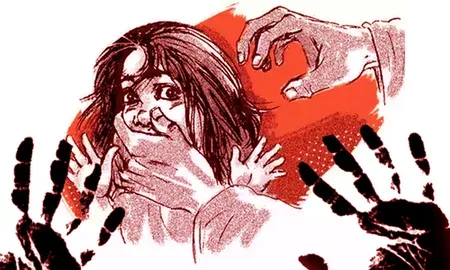
At least 388 adults and 10 minors faced domestic violence, harassment, abuse, and related crimes in Karachi, Pakistan between January and April 2025, according to the latest statistics released by the Police Women and Child Protection Cell. The figures, which cover only reported cases, point to a deepening crisis of gender-based violence in Pakistan's largest city.
Domestic Violence: The Most Reported Crime
Domestic abuse emerged as the single most reported category, with authorities receiving 297 complaints in the four-month period. Of these, 190 complaints were resolved, while nearly 100 cases remain pending — a backlog that advocates say reflects systemic delays in delivering relief to victims. Police lodged only three formal cases in domestic violence incidents, a figure critics describe as disproportionately low relative to the volume of complaints.
Harassment and Sexual Assault Cases
The protection cell received 83 complaints related to harassment and intimidation during the same period. Of these, 42 were resolved, while action on the remaining 41 complaints is still ongoing. One formal case was lodged involving harassment. Additionally, 19 complaints related to sexual assault and other forms of intimidation were filed, with nine resolved and 10 cases still pending investigation and legal action.
Pakistan's Broader Gender-Based Violence Crisis
The Karachi data is part of a wider, documented pattern across Pakistan. According to a Genocide Watch report, at least 405 honour killing cases were reported in 2024 alone — with actual numbers likely higher due to chronic under-reporting and inconsistent enforcement. More than 2,000 domestic violence cases and 5,000 accounts of rape were recorded nationwide in 2024, reinforcing Pakistan's standing as one of the most dangerous countries in the world for women. Gender-based violence, including acid attacks, forced and child marriages, trafficking, forced conversions, and rape, remains widespread across the country.
Structural Inequalities and International Rankings
A 2025 United Nations report found that two out of every three Pakistani women are denied reproductive autonomy and face abuse and coercion over reproductive health decisions. In September 2024, the Lahore High Court ruled that marriages after puberty are valid under Islamic law — a ruling that drew sharp criticism from rights groups, given that millions of girls in Pakistan are married before the age of 18. Pakistan ranked last in the World Economic Forum's Global Gender Gap Index, and faces an education crisis with over 21 million children reportedly out of school, compounding the vulnerability of women and girls. This comes amid broader human rights concerns, with multiple international bodies flagging Pakistan's structural inequalities as particularly severe for its most marginalised groups.
What the Data Signals
The low rate of formal case registration relative to complaints received — three FIRs out of 297 domestic violence complaints in Karachi — underscores a persistent gap between reporting and accountability. Rights organisations argue that without stronger enforcement mechanisms, dedicated fast-track courts, and survivor support infrastructure, the numbers are likely to continue rising. The coming months will test whether Karachi's protection cell can clear its pending caseload and whether Pakistan's federal government will respond with legislative and institutional reform.
Point of View
The formal justice system is barely engaging with the crisis. Pakistan's gender violence problem is not a reporting failure — it is an enforcement and impunity failure. The Lahore High Court's ruling validating post-puberty marriages, coming in the same year Pakistan ranked last on the Global Gender Gap Index, signals that institutional resistance to reform runs deep. International pressure and NGO documentation have not translated into legislative action. Until Pakistan dismantles the structural enablers — weak FIR registration, honour-killing exculpation norms, and child marriage — the numbers will keep rising.
NationPress
24 Sept 2026
Frequently Asked Questions
How many domestic violence cases were reported in Karachi in early 2025?
The Police Women and Child Protection Cell received 297 domestic violence complaints in Karachi between January and April 2025. Of these, 190 were resolved, nearly 100 remain pending, and only three formal cases were registered by police.
What is the Police Women and Child Protection Cell in Karachi?
It is a dedicated unit within Karachi's police force tasked with receiving and acting on complaints related to domestic violence, harassment, sexual assault, and crimes against women and children. The cell releases periodic statistics on cases filed and resolved.
How widespread is gender-based violence in Pakistan overall?
According to a Genocide Watch report, Pakistan recorded more than 2,000 domestic violence cases and 5,000 rape accounts in 2024, along with at least 405 honour killing cases. Pakistan also ranked last on the World Economic Forum's Global Gender Gap Index.
What did the 2025 UN report say about Pakistani women?
A 2025 United Nations report found that two out of every three Pakistani women are denied reproductive autonomy and face abuse and pressure regarding their reproductive health decisions.
Why do official figures likely understate the true scale of abuse?
Rights organisations and reports from bodies such as Genocide Watch note that low reporting rates, social stigma, fear of retaliation, and weak or inconsistent enforcement mean that official complaint figures represent only a fraction of actual incidents of gender-based violence in Pakistan.