South Korea Assessing Economic Repercussions of Iran Crisis on Oil Supply
Synopsis
As tensions rise over Iran, South Korea's Ministry of Industry is on high alert. They are evaluating the possible impacts of a U.S.-Israeli airstrike, which has raised concerns over oil supply disruptions, particularly through the critical Strait of Hormuz.
Key Takeaways
South Korea is preparing for potential oil supply disruptions due to escalating tensions in Iran .
The Strait of Hormuz is a crucial oil export route that could face blockages.
Emergency measures are being discussed to support the economy and exporters.
South Korea holds significant strategic oil reserves to mitigate impacts.
Current shipping logistics have not been severely affected, but monitoring continues.
Seoul, March 1 (NationPress) The Ministry of Industry has announced preparations for all possible scenarios, including the potential closure of the Strait of Hormuz, in light of rising tensions regarding Iran. Currently, the effects on shipping logistics remain contained.
An emergency meeting was convened by the Ministry of Trade, Industry, and Resources with relevant agencies to evaluate the economic and industrial consequences stemming from the large-scale U.S.-Israeli airstrike on Iran the day before, coinciding with stalled negotiations regarding Tehran's nuclear ambitions.
Reports indicate that the strike may have resulted in the death of Iran's Supreme Leader, Ayatollah Ali Khamenei, as per the Yonhap news agency.
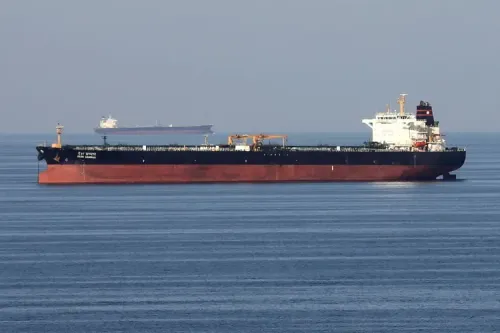
In light of these developments, authorities must implement all available strategies based on various scenarios to mitigate economic repercussions, especially if the Strait of Hormuz becomes blocked. This includes closely monitoring oil tanker schedules and identifying alternative shipping routes, as stated by the ministry.
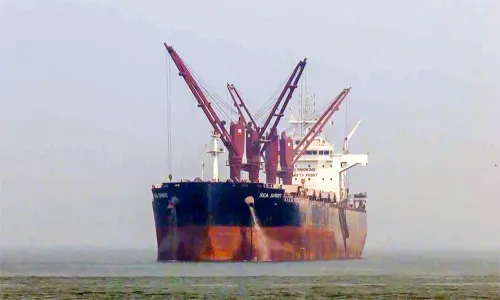
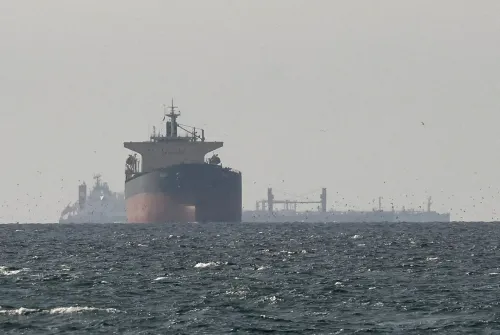
The Strait of Hormuz is the most vital oil export passage globally, connecting the Persian Gulf to international markets. Given its heavy reliance on energy imports, South Korea is particularly at risk of disruptions in this crucial waterway.
Currently, South Korea maintains several months' worth of strategic oil reserves and gas storage that exceeds the required stockpiling levels.
The ministry indicated that it would release strategic oil reserves to the domestic market following internal assessments should the crisis extend and private-sector crude stockpiles dip below a specific limit.
Additionally, the government intends to implement supportive measures for exporters, such as liquidity assistance and logistics cost support via export vouchers and other aid initiatives, as prolonged instability could trigger broader impacts on exports due to escalating oil prices and freight charges.
Should shipping disruptions escalate, authorities will contemplate additional measures, including the deployment of temporary vessels, as per the ministry's statements.
At present, the conflict in the Middle East has had a limited effect on maritime logistics, with most major container carriers opting to reroute around the Cape of Good Hope since the Red Sea crisis in 2023, bypassing the Suez Canal.
The ministry has committed to ongoing enhanced real-time monitoring through its emergency response task force, which was established on Saturday, while ensuring close coordination with relevant agencies.
The government also pledged to mitigate the potential impact of oil price fluctuations on domestic energy costs and overall inflation.
Point of View
South Korea faces critical challenges regarding its energy security. The government's proactive measures showcase a commitment to minimize economic fallout from potential disruptions in oil supply routes, particularly the Strait of Hormuz. This situation necessitates careful monitoring and strategic planning to protect national interests.
NationPress
19 Sept 2026
Frequently Asked Questions
What is the significance of the Strait of Hormuz?
The Strait of Hormuz is the world's most important oil export route, crucial for the transportation of oil from the Persian Gulf to global markets.
How is South Korea preparing for potential oil supply disruptions?
South Korea is mobilizing strategic oil reserves and considering measures to support exporters while monitoring the situation closely.
What was the recent incident involving Iran?
A massive U.S.-Israeli airstrike on Iran reportedly resulted in the death of Supreme Leader Ayatollah Ali Khamenei, escalating tensions in the region.
Are shipping logistics currently affected?
Currently, the impact on shipping logistics remains limited, although authorities are prepared for potential escalations.
What measures are being considered for exporters?
The government plans to provide liquidity assistance and logistics cost support to exporters affected by rising oil prices and shipping costs.