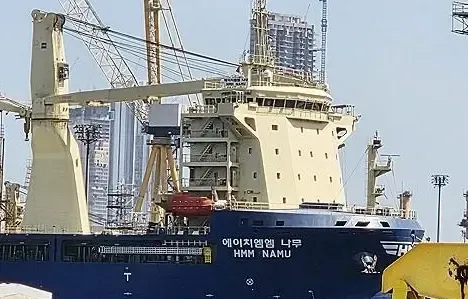
Explosion on South Korean vessel in Strait of Hormuz amid Project Freedom
Synopsis
An explosion and fire on a South Korean vessel in the Strait of Hormuz — if confirmed as an attack — would be the first such incident since the waterway was shut down in late February. With 2,000 ships stranded, US 'Project Freedom' underway, and Iran-US peace talks stalled, the incident signals the strait's crisis is far from over.
Key Takeaways
An explosion and fire was reported on a South Korean vessel in the Strait of Hormuz on 4 May 2025 .
Seoul is verifying the incident; no South Korean casualties have been confirmed in preliminary checks.
If confirmed, it would be the first attack on a South Korean-flagged vessel since the strait was shut in late February .
Approximately 2,000 vessels remain stranded in the strait, including 26 South Korean-flagged ships .
The US operation 'Project Freedom' saw two US-flagged merchant vessels successfully transit the strait on the same day.
About 20 per cent of global oil and natural gas trade passes through the Strait of Hormuz.
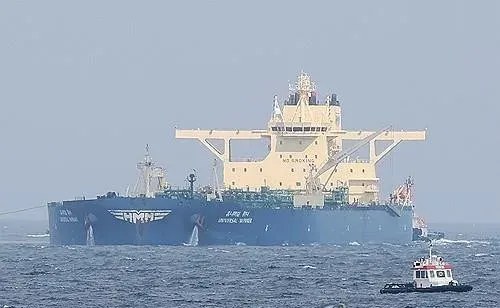
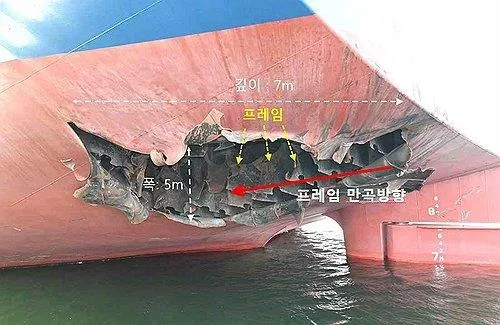
An explosion followed by fire was reported on a South Korean vessel in the Strait of Hormuz on Monday, 4 May, as Seoul moved swiftly to verify reports of a possible attack. South Korean foreign ministry officials confirmed they were investigating the incident, adding that no South Korean nationals had been confirmed as casualties in preliminary checks.
What Officials Said
"The consular affairs bureau is verifying information that a South Korean vessel came under attack. We have preliminarily confirmed that there are no casualties among our nationals," a South Korean foreign ministry official said. The ministry added it was working to determine the extent of damage to the vessel and identify those responsible.
First Attack Since February Blockade
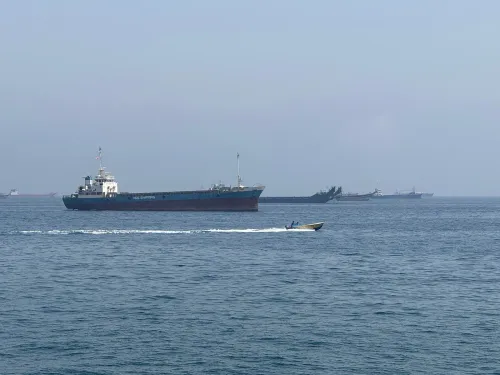
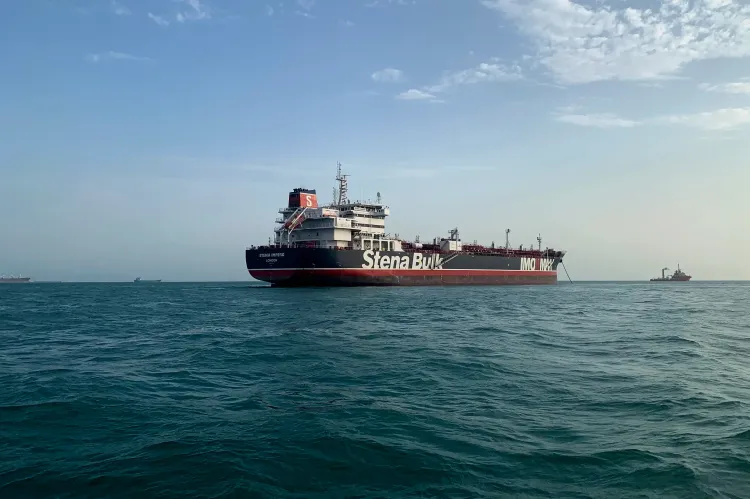
If confirmed, the incident would mark the first attack on a South Korean-flagged vessel stranded in the strait since the key waterway was effectively shut down in late February, following US-Israeli strikes on Iran that triggered a wider regional crisis, according to Yonhap news agency. Approximately 2,000 vessels remain stranded in the strait, including 26 South Korean-flagged ships. The blockade has severely disrupted global energy supplies, with roughly 20 per cent of the world's oil and natural gas trade typically passing through the waterway.
Project Freedom and Iran's Response
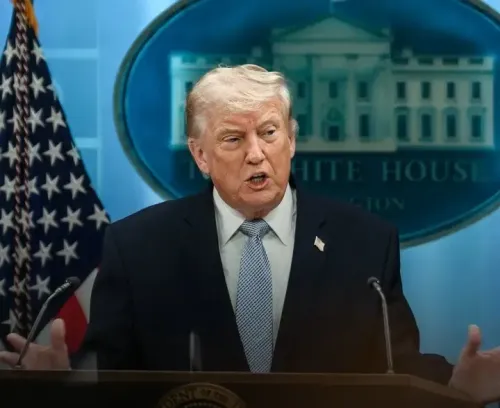
The incident occurred in the backdrop of a US operation dubbed "Project Freedom", aimed at freeing ships stranded in the narrow waterway. Iran has denounced the operation as a violation of the ceasefire. US President Donald Trump extended a ceasefire deadline in early April, urging Tehran to present a new peace proposal while simultaneously ramping up pressure through naval blockades and economic sanctions. Peace talks remain stalled after the first direct meeting between the two sides last month ended without agreement.
US Navy Movement Through the Strait
US Central Command (CENTCOM) announced on Monday that two US commercial ships had successfully passed through the Strait of Hormuz. "US Navy guided-missile destroyers are currently operating in the Arabian Gulf after transiting the Strait of Hormuz in support of Project Freedom," CENTCOM stated on X. It added: "American forces are actively assisting efforts to restore transit for commercial shipping. As a first step, two US-flagged merchant vessels have successfully transited through the Strait of Hormuz and are safely headed on their journey." The diverging developments — an alleged attack on a South Korean vessel even as US ships pass through — underscore the volatile and contested nature of the strait at this stage of the crisis.
What Comes Next
Seoul is expected to issue a more detailed assessment once the vessel's condition and the identity of any attackers are established. The incident is likely to intensify diplomatic pressure on all parties to the ongoing standoff, and could complicate the already stalled peace negotiations between Washington and Tehran.
Point of View
But allied commercial vessels remain exposed. Seoul's confirmation that there are no Korean casualties is reassuring, but the broader signal is alarming. With 2,000 ships stranded, peace talks deadlocked, and Iran branding US operations a ceasefire violation, the Strait of Hormuz is not stabilising — it is fracturing along new fault lines. The global energy market, already rattled by months of disruption, has little room for further escalation.
NationPress
23 Sept 2026
Frequently Asked Questions
What happened to the South Korean vessel in the Strait of Hormuz?
An explosion followed by fire was reported on a South Korean vessel in the Strait of Hormuz on 4 May 2025. South Korean officials are verifying whether it constitutes an attack, and have preliminarily confirmed no South Korean nationals were among the casualties.
Why are ships stranded in the Strait of Hormuz?
The Strait of Hormuz has been effectively blocked since late February 2025, following US-Israeli strikes on Iran that triggered a regional crisis. Approximately 2,000 vessels, including 26 South Korean-flagged ships, remain stranded in the waterway.
What is the US operation 'Project Freedom'?
'Project Freedom' is a US military operation aimed at freeing commercial ships stranded in the Strait of Hormuz. On 4 May, CENTCOM announced that two US-flagged merchant vessels successfully transited the strait under the operation, with US Navy guided-missile destroyers operating in the Arabian Gulf in support.
How has Iran responded to Project Freedom?
Iran has denounced 'Project Freedom' as a violation of the ceasefire. Peace talks between Washington and Tehran remain stalled after a first direct meeting last month ended without agreement.
Why does the Strait of Hormuz matter globally?
Approximately 20 per cent of the world's oil and natural gas trade passes through the Strait of Hormuz. Its blockade since late February has significantly disrupted global energy supplies and the movement of other goods.