South Korea Hormuz troop deployment still under review, Seoul says
Synopsis
South Korea has not decided whether to send troops to the Strait of Hormuz — but the gap between its presidential office's cautious language and its military's reported preparatory moves signals that Seoul is under real pressure to act. With Trump publicly calling out Seoul over the strait through which it sources 60 per cent of its oil, the calculus is as much about energy security as alliance politics.
Key Takeaways
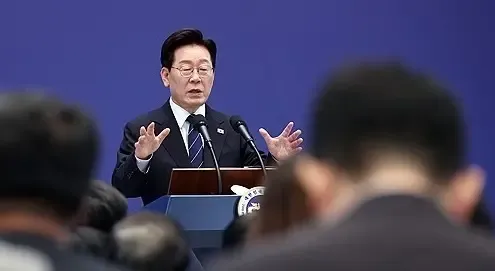
South Korea's presidential office confirmed on 4 September that a Strait of Hormuz troop deployment is still under review with no final decision made.
A possible deployment could include a maritime patrol aircraft , an explosive ordnance disposal team , and a naval logistics support ship , according to broadcaster SBS .
Under South Korean law, deployment requires National Security Council approval, cabinet deliberation, and National Assembly consent; a proposal could reach parliament this month.
US President Donald Trump last month publicly criticised Seoul for declining to help secure the strait, noting that South Korea sources around 60 per cent of its oil through it.
The move would mark a shift from Seoul's earlier position of waiting until US-Iran hostilities ended before considering deployment.
South Korea has not yet taken a final decision on deploying troops to the Strait of Hormuz, the presidential office confirmed on Friday, 4 September, even as multiple South Korean media outlets reported that the military had begun preparatory steps for a possible deployment to the strategically vital waterway.
What the Presidential Office Said
The presidential office stated that the government is 'following due procedures to examine the possible deployment' and has not reached a conclusion. It added that South Korea 'may consider making a contribution to the situation in the Strait of Hormuz as long as it does not undermine its existing military readiness.' The carefully worded statement stopped well short of a commitment.
What a Deployment Could Look Like
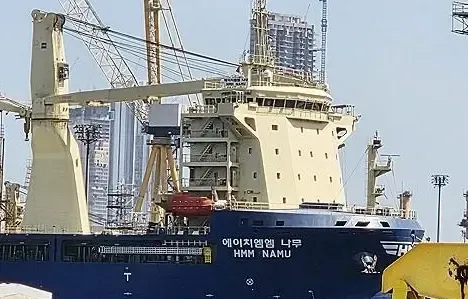
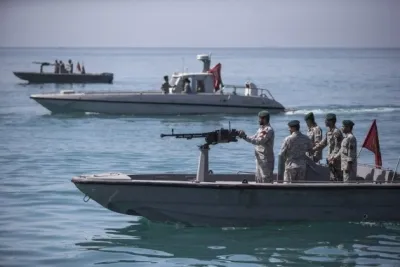
South Korean broadcaster SBS, citing a Defence Ministry source, reported that the planned deployment could include a maritime patrol aircraft, an explosive ordnance disposal team, and a naval logistics support ship. A senior South Korean military official was also quoted as saying that Seoul is coordinating with relevant countries over possible stopover locations and operational bases.
Legal Hurdles and Parliamentary Timeline
Under South Korean law, any overseas troop deployment requires a decision by the National Security Council, deliberation by the cabinet, and approval from the National Assembly. Reports suggested the proposal could be submitted to parliament as early as this month. Notably, this marks a potential shift from Seoul's earlier stated position that it would consider sending troops to the Strait of Hormuz only after hostilities between the United States and Iran had ended.
US Pressure and Trump's Remarks
The development comes amid sustained pressure from US President Donald Trump, South Korean media reported. Last month, Trump publicly criticised South Korea for declining to assist Washington in securing the Strait of Hormuz, while simultaneously questioning large military exercises directed at North Korea — exposing underlying tensions over how Seoul shares regional and global security responsibilities.
'I was not happy when South Korea said, no, they're not interested in helping us with the Hormuz Strait, and yet they get 60 per cent of their oil from the Hormuz Strait,' Trump told reporters at the White House. 'I said, "Would you like to help us?" He said, no, thank you. I said that's nice, please, thank you,' he added.
Why the Strait of Hormuz Matters for Seoul
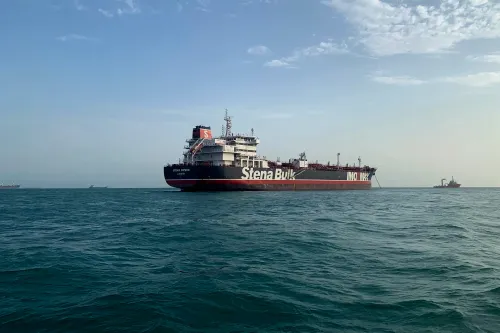
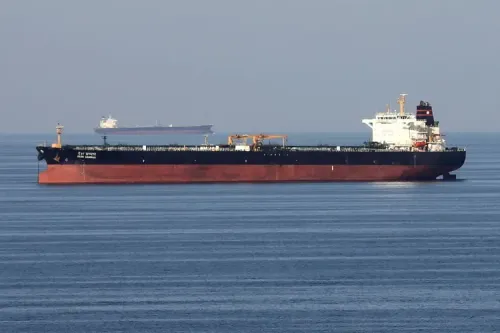
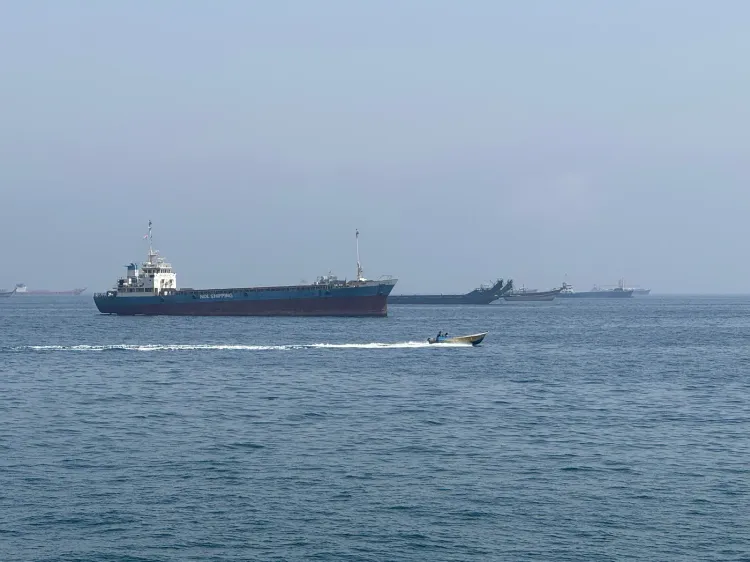
The Strait of Hormuz is one of the world's most critical energy chokepoints, through which a significant share of global oil exports passes. For South Korea — which reportedly sources around 60 per cent of its oil through the strait — any instability there carries direct economic consequences. This context makes the deployment question not merely a diplomatic calculation but an energy security one as well. How Seoul navigates its alliance obligations with Washington while managing its own military readiness will be closely watched in the weeks ahead.
Point of View
And any Hormuz deployment sets a precedent that will be difficult to contain the next time Washington asks.
NationPress
20 Oct 2026
Frequently Asked Questions
Has South Korea decided to deploy troops to the Strait of Hormuz?
No. South Korea's presidential office confirmed on 4 September that the deployment is still under review and no final decision has been made. The government said it is following due procedures before reaching a conclusion.
What would a South Korean deployment to the Strait of Hormuz involve?
According to broadcaster SBS, citing a Defence Ministry source, the deployment could include a maritime patrol aircraft, an explosive ordnance disposal team, and a naval logistics support ship. A senior military official said Seoul is coordinating on possible stopover locations and operational bases.
Why is the US pressuring South Korea over the Strait of Hormuz?
US President Donald Trump last month criticised Seoul for declining to help secure the Strait of Hormuz, pointing out that South Korea sources around 60 per cent of its oil through the waterway. Trump said he was displeased by Seoul's response and raised the issue alongside questions about joint military exercises targeting North Korea.
What legal process does South Korea need to follow to deploy troops abroad?
Under South Korean law, an overseas troop deployment requires a National Security Council decision, cabinet deliberation, and approval from the National Assembly. Reports suggest a proposal could be submitted to parliament as early as this month.
How does this compare to South Korea's earlier position on the Hormuz deployment?
South Korea had previously stated it would consider sending troops to the Strait of Hormuz only after hostilities between the United States and Iran had ended. The current review reportedly signals a potential shift from that position, driven in part by continued US pressure.