South Korea Commits to Ensure Safe Transit of Vessels in Hormuz Strait
Synopsis
In a critical response to geopolitical tensions, the South Korean government has pledged to facilitate the safe passage of its vessels in the Strait of Hormuz following a ceasefire agreement between the US and Iran, signaling a potential shift in oil shipping dynamics.
Key Takeaways
South Korean government pledges support for vessels in the Strait of Hormuz.
A two-week ceasefire has been agreed between the US and Iran.
There are currently 15 South Korean vessels in the region.
The Strait of Hormuz is critical for global oil supply .
Ongoing negotiations are addressing Iran's nuclear rights and sanctions.
Seoul, April 8 (NationPress) - The South Korean government has pledged efforts on Wednesday to assist South Korean vessels currently immobilized in the Strait of Hormuz, ensuring their safe transit through this vital shipping lane. This commitment follows an agreement between the United States and Iran to implement a two-week ceasefire, allowing for the complete reopening of this essential oil passage.
The Ministry of Trade, Industry, and Resources is set to collaborate with the foreign and oceanic ministries to guarantee the secure and expedited passage of Korean oil tankers held up at the Strait of Hormuz, as stated by officials.
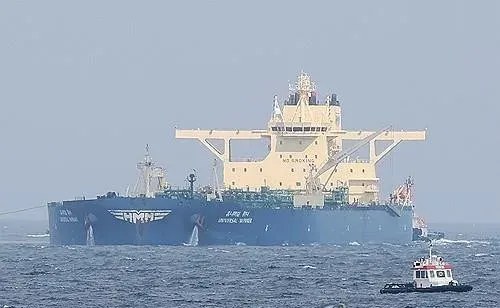
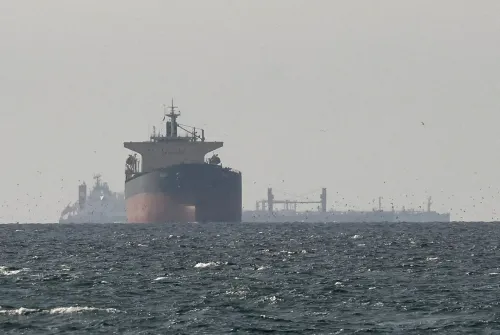
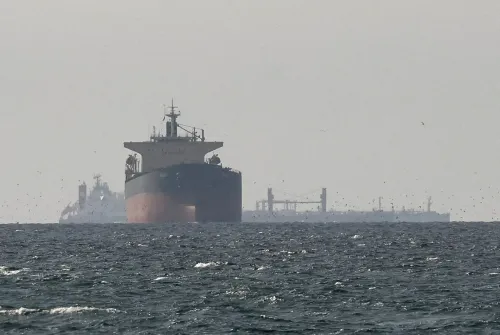
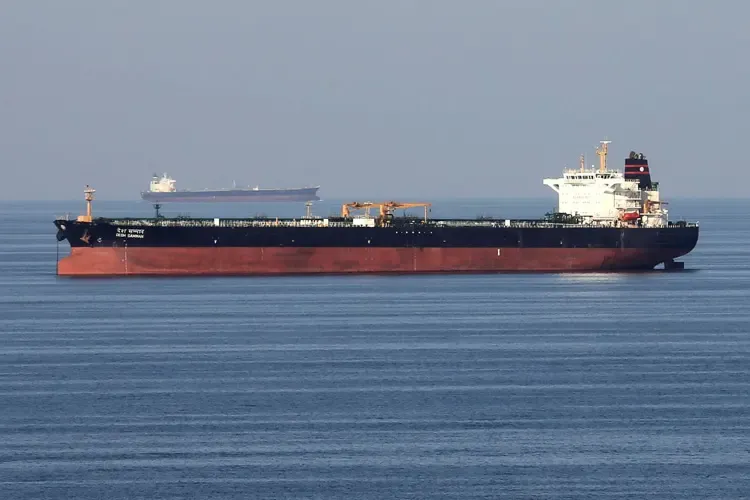
Presently, there are seven oil tankers in the vicinity, which include four flag carriers, engaged in transporting shipments for South Korean oil refineries. These vessels are carrying a total of 14 million barrels of crude oil, sufficient to meet South Korea's oil consumption for five days.
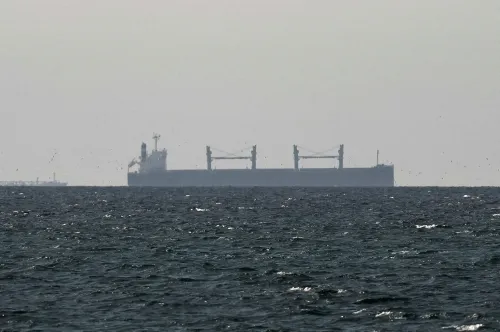
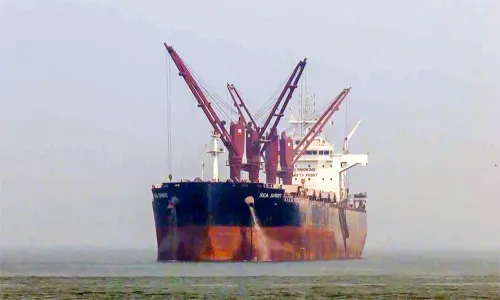
In addition, eight other Korean ships are also trapped in the Strait, comprising five bulk carriers, two liquefied gas carriers, a container ship, and a vehicle carrier.
This assurance comes shortly after US President Donald Trump announced that the US has consented to halt strikes on Iran for a duration of two weeks, contingent on Iran's agreement to fully and immediately reopen the Strait of Hormuz, a critical route for oil shipping.
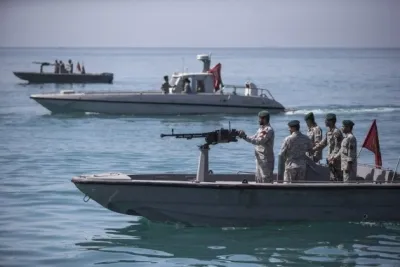
Officials in Seoul have indicated that the government is actively assessing the status and conditions necessary for transit through this shipping lane, which has been effectively obstructed due to the US-led conflict with Iran, as reported by the Yonhap news agency.
Meanwhile, Iran's Supreme National Security Council has clarified that the two-week ceasefire with the US does not imply a cessation of hostilities, as negotiations regarding the specifics of its ten-point plan are still pending.
According to Iran's semi-official Mehr News Agency, the ten points include the US commitment to prevent any further acts of aggression, continued Iranian oversight of the Strait of Hormuz, acknowledgment of Iran's nuclear enrichment rights, the lifting of all primary and secondary sanctions, and the termination of all United Nations Security Council resolutions against Iran, along with the annulment of all International Atomic Energy Agency Board of Governors resolutions against Iran.
Point of View
The South Korean government's proactive measures underline the urgency of ensuring the safety of its vessels amidst ongoing geopolitical conflicts.
NationPress
21 Sept 2026
Frequently Asked Questions
What is the significance of the Strait of Hormuz?
The Strait of Hormuz is a crucial shipping route for global oil, with a significant percentage of the world's oil supply passing through it. Ensuring safe passage is vital for energy security.
What prompted the South Korean government's pledge?
The pledge was made following a two-week ceasefire agreement between the United States and Iran, allowing for the reopening of the Strait of Hormuz.
How many South Korean vessels are affected?
Currently, there are seven oil tankers and eight other vessels from South Korea trapped in the Strait of Hormuz.
What does the ceasefire agreement entail?
The ceasefire agreement includes a suspension of US strikes on Iran, conditional on Iran's commitment to fully reopen the Strait of Hormuz.
What are Iran's demands in the negotiations?
Iran's ten-point plan includes commitments from the US regarding non-aggression, sanctions lifting, and acknowledgment of Iran's nuclear rights.