South Korea Aligns with Global Allies Against Iran's Aggression in Strait of Hormuz
Synopsis
In a pivotal step, South Korea joins seven nations, including European allies and Japan, in condemning Iran's attacks in the Gulf and the closure of the Strait of Hormuz, emphasizing the importance of freedom of navigation and global energy security.
Key Takeaways
South Korea joins a coalition of seven countries to condemn Iran 's actions.
The statement emphasizes the importance of freedom of navigation .
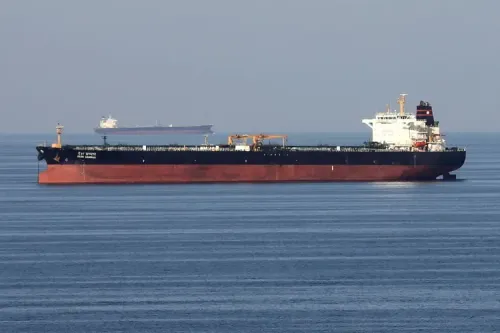
The Strait of Hormuz is critical for global oil and gas supply.
Seoul aims to ensure safe passage through the strategic waterway.
This marks a shift from South Korea's previous cautious stance on regional security.
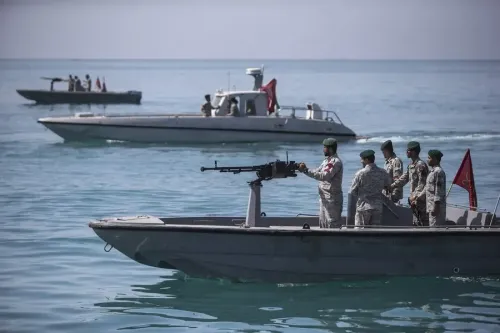
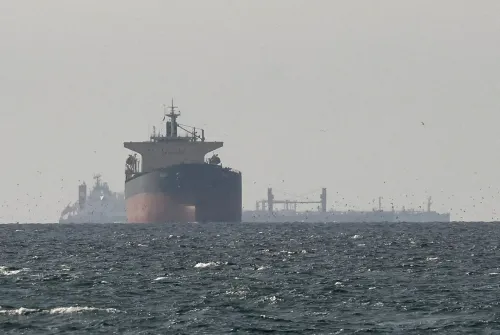
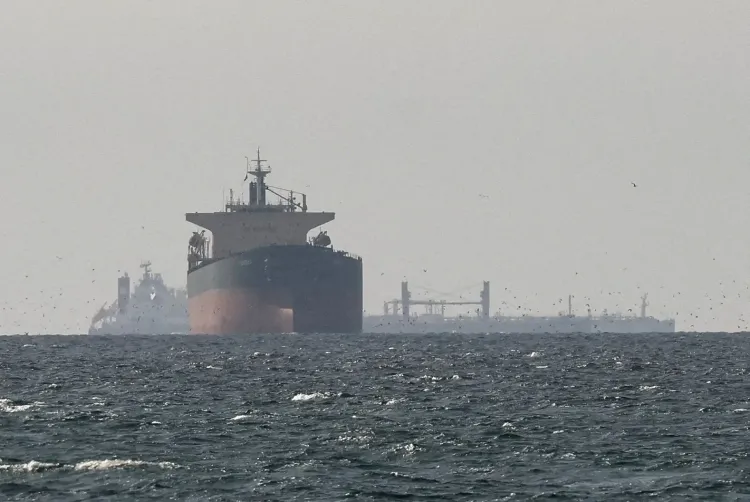
Seoul, March 21 (NationPress) In a significant move, South Korea will align with seven other nations, including key European countries and Japan, to issue a united statement denouncing Iran's actions in the Gulf and the effective closure of the Strait of Hormuz, as announced by the foreign ministry.
The collaborative statement, released by Britain, France, Germany, Italy, Japan, the Netherlands, and Canada, urges Iran to halt its aggressions and its attempts to obstruct this crucial maritime route, emphasizing the necessity of upholding freedom of navigation.
Furthermore, the countries express their willingness to participate in initiatives aimed at ensuring safe transit through this vital shipping lane, which accounts for approximately 20% of the global oil and gas supply.
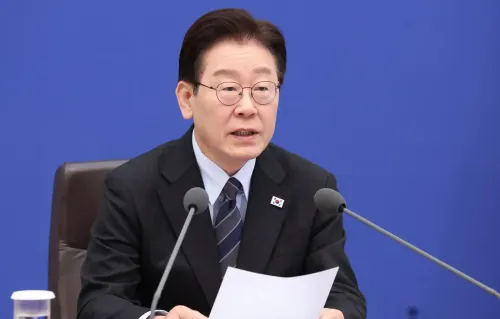
According to a media release from the ministry, "This decision reflects our core stance on the security of international shipping routes and the principle of free navigation, as well as our awareness of global trends and the direct repercussions that disruptions in the Strait of Hormuz may pose to our energy supply and economy."
Additionally, the ministry remarked, "By joining the leaders' statement, South Korea is reaffirming its dedication to international endeavors aimed at safeguarding free and secure navigation in the Strait of Hormuz."
Seoul intends to collaborate closely with the global community to facilitate the rapid normalization of maritime logistics networks, the statement continued.
This decision marks a departure from Seoul's previous cautious approach, following US President Donald Trump's call for allies to send naval support to maintain open access to the region. However, the nations mentioned by Trump have shown reluctance to participate, as reported by Yonhap news agency.
The presidential office, Cheong Wa Dae, indicated earlier that Seoul is engaged in intensive discussions with Washington and other allied nations regarding its potential contributions to ensuring the region's safety and accessibility, in a manner that aligns with its national interests.
In a recent social media update on Friday (US time), Trump criticized NATO allies as "cowards" who express concerns over rising oil prices yet hesitate to assist in keeping the waterway open.
Point of View
I observe that South Korea's decision to join international efforts against Iranian aggression reflects a proactive and responsible approach towards maintaining global maritime security. This stance not only safeguards national interests but also reinforces the importance of collaborative diplomacy in addressing regional tensions.
NationPress
23 Sept 2026
Frequently Asked Questions
What prompted South Korea to join the statement?
South Korea's decision was influenced by concerns over Iranian attacks in the Gulf and the effective closure of the Strait of Hormuz, which is vital for global oil and gas supplies.
What does the joint statement call for?
The joint statement calls for Iran to cease its attacks and to respect the principle of freedom of navigation in the Strait of Hormuz.
How does this affect global maritime security?
The participation of South Korea and other nations in this statement aims to enhance global maritime security and ensure the safe passage of ships through the Strait of Hormuz.
What are the implications for South Korea's energy supply?
Disruptions in the Strait of Hormuz could significantly impact South Korea's energy supply and economy, hence the country's commitment to ensuring its security.
How has the U.S. influenced this decision?
The U.S. President's call for allies to maintain open access to the Strait of Hormuz has encouraged South Korea to take a more active role in the region's security.