Global Leaders Ready to Act for Free Navigation in Strait of Hormuz
Synopsis
World leaders have united in condemning Iran's recent actions that threaten global navigation and energy supply, expressing readiness to ensure safe passage in the Strait of Hormuz. Their call for immediate action reflects deep concern for the vulnerable populations affected by escalating tensions.
Key Takeaways
Global leaders unite to condemn Iran's actions.
Call for a moratorium on attacks on civilian infrastructure.
Support for safe navigation in the Strait of Hormuz.
Emphasis on the importance of international law.
Coordination among nations to stabilize energy markets.
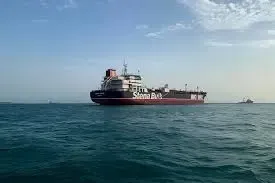
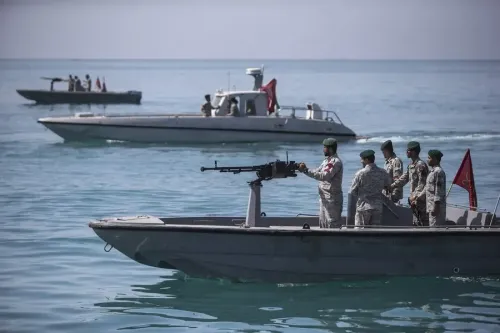
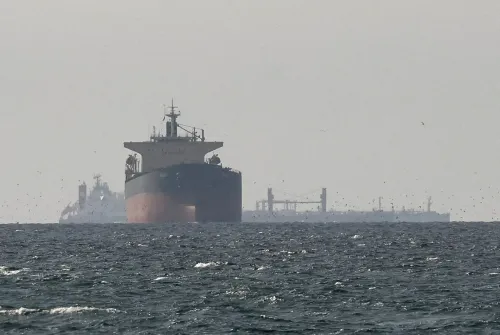
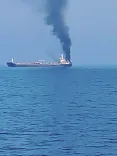
Abu Dhabi, March 21 (NationPress) Several world leaders voiced their concerns on Saturday regarding the repercussions of Iran's actions, stating that these will impact individuals globally, particularly the most vulnerable. They condemned Tehran's assaults on unarmed commercial ships in the Gulf and on civilian infrastructure, which includes vital oil and gas facilities in the region.
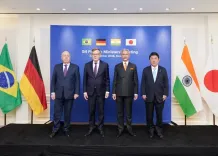
The leaders from nations including the United Arab Emirates, the United Kingdom, France, Germany, Italy, the Netherlands, Japan, Canada, Republic of Korea, New Zealand, Denmark, Latvia, Slovenia, Estonia, Norway, Sweden, Finland, Czechia, Romania, Bahrain, Lithuania, and Australia released a Joint Statement addressing the de facto closure of the Strait of Hormuz due to Iranian military actions.
"We express our profound concern about the intensifying conflict. We urge Iran to halt its threats immediately, including the laying of mines, drone and missile strikes, and other efforts to obstruct commercial shipping in the Strait, and to adhere to UN Security Council Resolution 2817," the statement declared.
"The principle of freedom of navigation is fundamental to international law, as outlined in the United Nations Convention on the Law of the Sea. The consequences of Iran's actions will resonate across the globe, particularly affecting the most vulnerable populations," it continued.
The leaders indicated their readiness to support appropriate measures ensuring safe passage through the Strait.
Referencing UNSC Resolution 2817, they emphasized that any interference with international shipping and disruption of global energy supply chains poses a threat to international peace and security.
"In this context, we call for an immediate and comprehensive moratorium on attacks targeting civilian infrastructure, including oil and gas facilities. We stand ready to contribute to necessary efforts for ensuring safe passage through the Strait and commend nations actively engaging in preparatory planning," the statement elaborated.
They also praised the International Energy Agency's decision to allow for a coordinated release of strategic petroleum reserves.
"We will implement additional measures to stabilize energy markets, collaborating with certain oil-producing nations to enhance production. Moreover, we will work to assist the nations most impacted, including through the United Nations and International Financial Institutions. Maritime security and the principle of freedom of navigation benefit all nations. We call upon all countries to respect international law and uphold the core principles of global prosperity and security," the Joint Statement concluded.
Point of View
I observe the alarming situation unfolding in the Strait of Hormuz. The collective response from global leaders reflects a significant concern over international security and trade. This call to action highlights the importance of maintaining open waterways, crucial for global energy supplies and economic stability. It's imperative that nations adhere to international law and work collaboratively to address these escalating tensions.
NationPress
23 Sept 2026
Frequently Asked Questions
What actions did Iran take that prompted this response?
Iran has been accused of attacking unarmed commercial vessels and civilian infrastructure, including oil and gas installations, in the Gulf.
Which countries are part of the Joint Statement regarding the Strait of Hormuz?
The Joint Statement includes leaders from the United Arab Emirates, the United Kingdom, France, Germany, Italy, the Netherlands, Japan, Canada, Republic of Korea, New Zealand, Denmark, Latvia, Slovenia, Estonia, Norway, Sweden, Finland, Czechia, Romania, Bahrain, Lithuania, and Australia.
What is the significance of UN Security Council Resolution 2817 in this context?
UN Security Council Resolution 2817 emphasizes the importance of unimpeded navigation and calls for an end to actions that disrupt international shipping and threaten global energy security.
What measures are leaders proposing to ensure safe passage through the Strait?
Leaders are prepared to contribute to efforts that will ensure safe navigation through the Strait of Hormuz and are advocating for a moratorium on attacks on civilian infrastructure.
How does this situation affect global energy markets?
The ongoing tensions and threats to navigation in the Strait of Hormuz could disrupt global energy supply chains, leading to instability in energy markets.