GCC rejects Iran's Strait of Hormuz closure moves at Jeddah summit
Synopsis
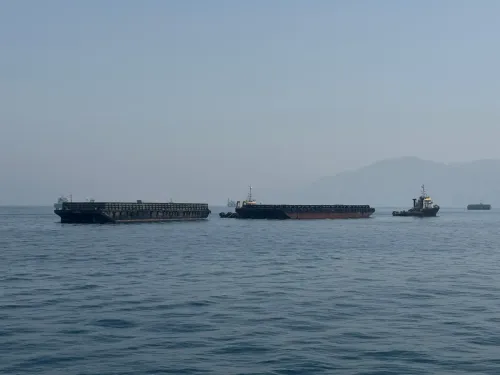
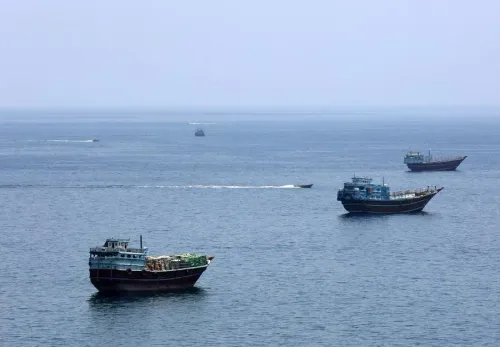
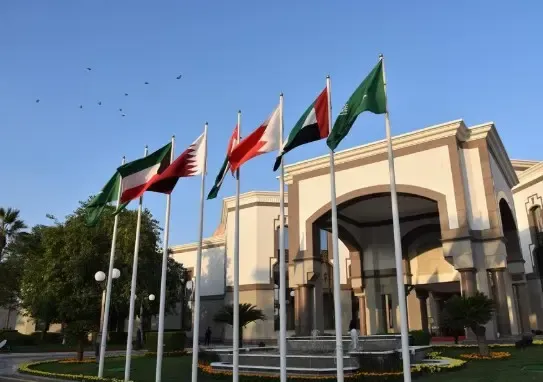
At an emergency-level consultative summit in Jeddah, GCC leaders unanimously rejected Iran's moves to close the Strait of Hormuz — a waterway through which roughly a fifth of the world's oil flows. With a US-imposed blockade also in play and Islamabad talks collapsed, the Gulf's most critical shipping lane is now caught between three competing power plays.
Key Takeaways
GCC Secretary General Jasem Mohamed Albudaiwi declared member states' rejection of Iran's measures to close the Strait of Hormuz at the 19th Consultative Meeting in Jeddah on 29 April .
Leaders called for conditions in the strait to be restored to what they were before 28 February , when joint US-Israel strikes on Iran reportedly triggered the crisis.
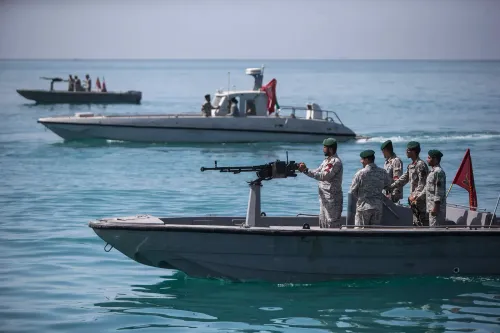
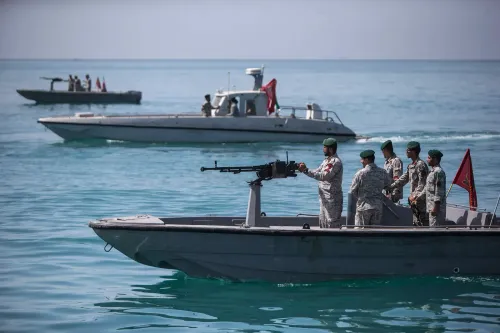
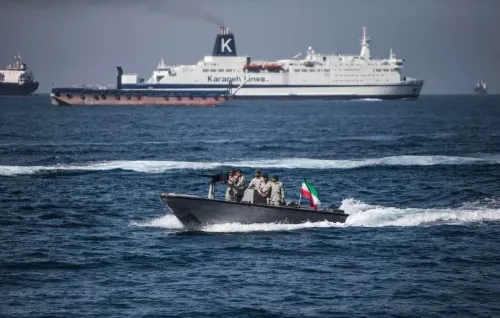
Iran reportedly responded to those strikes with missile and drone attacks on Israel and US interests, and tightened control over the Hormuz strait.
Ceasefire talks in Islamabad between Iran and the US failed; the US subsequently imposed its own blockade on the waterway.
GCC leaders also called for accelerating the GCC railway project , an oil and gas pipeline , a water interconnection project , and a ballistic missile early warning system .
The bloc stressed the need for a diplomatic path to resolve the crisis and address long-term regional security concerns.
Gulf Cooperation Council (GCC) Secretary General Jasem Mohamed Albudaiwi said on Tuesday, 29 April that GCC member states have rejected what he described as Iran's illegal measures to close the Strait of Hormuz and obstruct navigation through the critical waterway. The declaration came at the 19th Consultative Meeting of GCC leaders held in Jeddah, Saudi Arabia.
Key Declarations from the Jeddah Summit
Albudaiwi stated that GCC leaders rejected any measures that would negatively affect navigation through the strait, including the imposition of fees on ships transiting it, according to reports citing Xinhua news agency. The leaders stressed the urgent need to restore security and freedom of navigation in the strait and called for conditions there to be returned to what they were before 28 February.
Regional Escalation and Background
The summit came against the backdrop of a severe regional crisis. On 28 February, Israel and the United States reportedly launched joint strikes on Tehran and other Iranian cities, reportedly killing Iran's then Supreme Leader Ali Khamenei, senior commanders, and civilians, according to reports. Iran subsequently responded with waves of missile and drone strikes targeting Israel and US interests across the Middle East, and tightened its control over the Strait of Hormuz. The meeting also discussed what Albudaiwi described as Iranian attacks against GCC countries and Jordan.
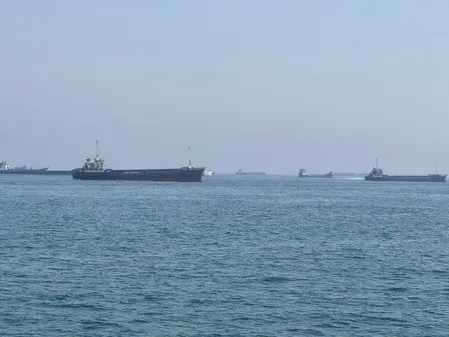
After a ceasefire was reportedly reached on 8 April, talks between Iranian and US delegations held in Islamabad, Pakistan failed to produce an agreement. The United States subsequently imposed its own blockade on the waterway, further complicating navigation through one of the world's most critical oil transit chokepoints.
Infrastructure and Military Integration Agenda
Beyond the immediate security concerns, GCC leaders directed the GCC General Secretariat to expedite the completion of requirements for all joint GCC projects, including transport and logistics services, and to accelerate implementation of the GCC railway project. Leaders also highlighted the need to advance studies on establishing an oil and gas pipeline project, a water interconnection project, and areas for GCC strategic reserves.
On the defence front, leaders underlined the importance of intensifying military integration among member states and accelerating the completion of an early warning system against ballistic missiles — a measure that reflects the heightened threat perception across the Gulf region.
Diplomatic Path Forward
The GCC leaders stressed the need to establish a diplomatic path to end the crisis and pave the way for agreements that address member states' security concerns while enhancing long-term regional stability. The bloc's call for dialogue signals that, despite the rejection of Iran's actions, GCC states are not advocating further escalation. How Tehran and Washington respond to this diplomatic overture will likely shape the next phase of the crisis.
Point of View
But the bloc's real anxiety may be the US blockade that followed — a move that puts Gulf oil exports equally at risk. Calling for a return to pre-28 February conditions is diplomatically tidy, but the GCC has little leverage over either Washington or Tehran. The acceleration of the GCC railway and pipeline projects tells a quieter story: Gulf states are hedging against Hormuz dependency, a strategic vulnerability they have long acknowledged but never urgently addressed until now.
NationPress
7 Oct 2026
Frequently Asked Questions
Why did the GCC reject Iran's measures on the Strait of Hormuz?
The GCC rejected what it called Iran's illegal measures to close the Strait of Hormuz and impose fees on passing ships, saying these actions obstruct freedom of navigation through a critical global waterway. The bloc called for conditions to be restored to what they were before 28 February 2025.
What triggered the Strait of Hormuz crisis?
According to reports, the crisis began on 28 February when Israel and the United States launched joint strikes on Tehran and other Iranian cities, reportedly killing Iran's then Supreme Leader Ali Khamenei and senior commanders. Iran responded with missile and drone strikes and tightened control over the Strait of Hormuz.
What happened at the Iran-US talks in Islamabad?
Talks between Iranian and US delegations held in Islamabad, Pakistan, following a ceasefire reportedly reached on 8 April, failed to yield an agreement. The United States subsequently imposed its own blockade on the Strait of Hormuz.
What infrastructure projects did GCC leaders discuss at the Jeddah summit?
GCC leaders called for accelerating the GCC railway project, an oil and gas pipeline, a water interconnection project, and studies on GCC strategic reserves. They also stressed the need to intensify military integration and complete a ballistic missile early warning system.
What diplomatic solution is the GCC proposing?
The GCC stressed the need to establish a diplomatic path to end the regional crisis, paving the way for agreements that address member states' security concerns and enhance long-term stability — though no specific framework or timeline was announced.