US, GCC back Iran nuclear deal and reject Strait of Hormuz tolls
Synopsis
The US and all six GCC states have drawn a hard line at Manama: no tolls on the Strait of Hormuz, no Iran nuclear weapon — ever. Secretary Rubio's blunt 'we won't tolerate it' on Hormuz fees, combined with the GCC's insistence that Iran's missiles and proxies must also be on the table, sets a demanding baseline for the next phase of US-Iran talks.
Key Takeaways
The US and GCC jointly endorsed the 17 June US-Iran MOU at a ministerial meeting in Manama on 25 June 2025 .
Ministers explicitly rejected 'any tolls, fees, or attempts to assert control' over the Strait of Hormuz .
Secretary of State Marco Rubio said the US 'won't tolerate' charges on Hormuz transit, describing 'unanimity in that room.' The GCC demanded that any lasting deal address Iran's ballistic missiles , drones , and proxy group funding — not just the nuclear programme.
Mediation roles of Pakistan and Qatar were formally recognised in the joint declaration.
The statement also addressed Syria's sovereignty and called for disarmament of non-state armed groups in Lebanon .
The United States and the Gulf Cooperation Council (GCC) on Thursday, 25 June jointly reaffirmed their strategic partnership, endorsed the 17 June memorandum of understanding (MOU) between Washington and Tehran, and declared that no tolls or fees should ever be levied on vessels transiting the Strait of Hormuz. The declaration emerged from a high-level ministerial meeting in Manama, Bahrain, signalling unified Western and Gulf resolve on both the Iran nuclear file and freedom of navigation.
The Manama Meeting
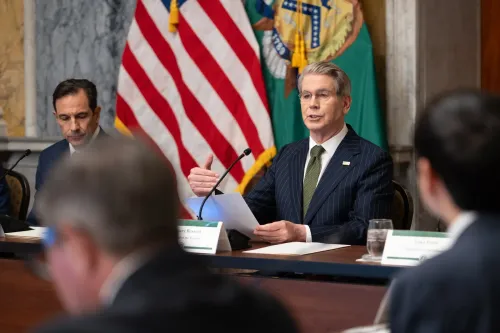
The ministerial session was co-chaired by US Secretary of State Marco Rubio and Bahraini Foreign Minister Abdullatif bin Rashid Al Zayani, with foreign ministers from all six GCC member states — Bahrain, Kuwait, Oman, Qatar, Saudi Arabia and the United Arab Emirates — and GCC Secretary General Jasem Albudaiwi in attendance. The ministers welcomed the US-Iran MOU and specifically recognised 'the important mediation roles played by Pakistan and Qatar.'
Strait of Hormuz: A Hard Line on Navigation
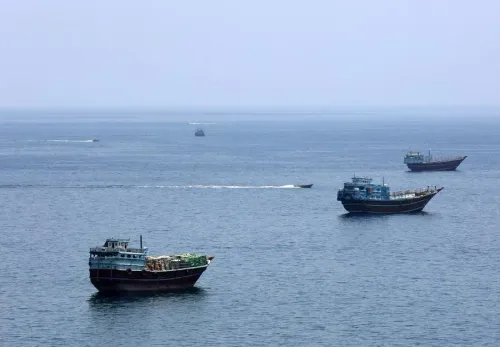
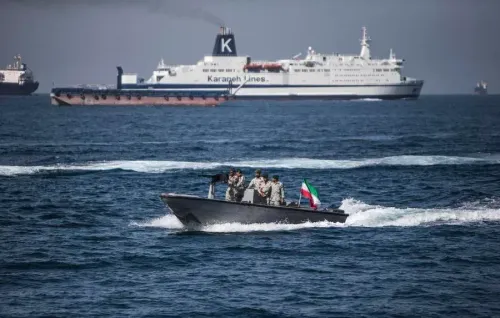
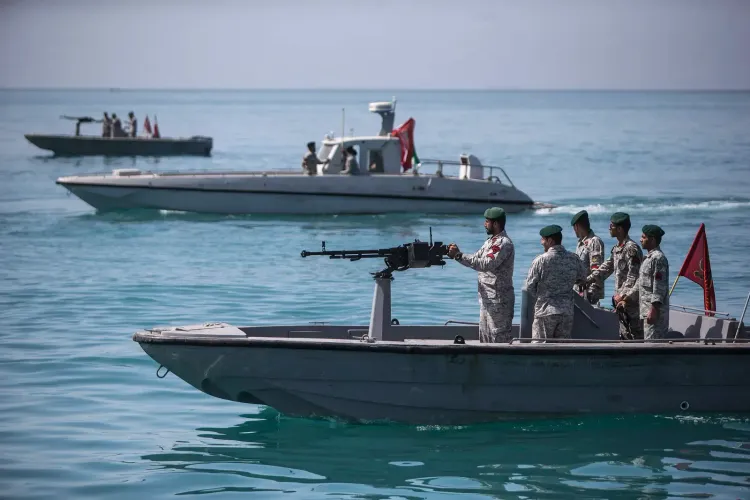
The joint declaration placed particular emphasis on the Strait of Hormuz, one of the world's most critical energy shipping corridors, through which roughly 20% of global oil trade passes. The ministers stated that 'free, unconditional, and unrestricted navigation, including the right of transit passage as guaranteed under international law, remains essential to regional and global security,' and explicitly rejected 'any tolls, fees, or attempts to assert control over the Strait.'
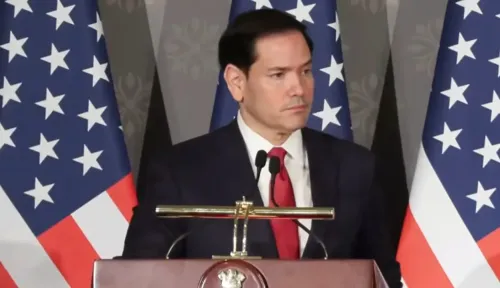
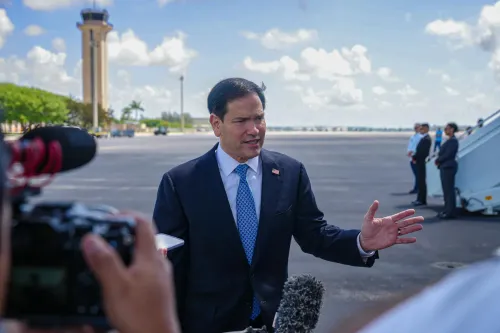
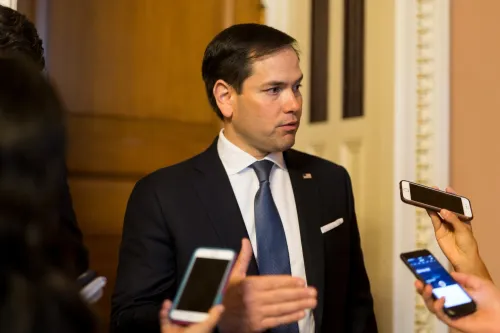
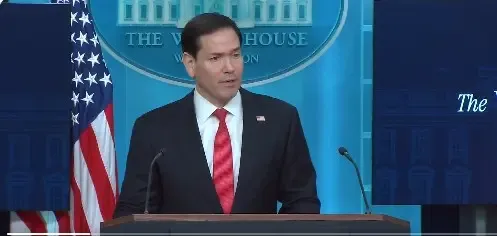
Speaking to reporters after the meeting, Secretary Rubio drew a firm line. 'If you are charging money to use the straits, we won't support it. We won't tolerate it; we won't allow it. And I think there was unanimity in that room on that point,' he said. The remarks are widely understood as a direct signal to Iran, which has periodically threatened to restrict Hormuz access during periods of heightened tension.
Iran Nuclear Talks: Framework and Limits
The ministers called for negotiations to continue toward 'a more permanent end to hostilities' while pursuing the shared objective of preventing Iran from 'ever developing or otherwise acquiring a nuclear weapon.' At the same time, they stressed that any lasting regional settlement must address what they described as the 'full spectrum of Iran's threats,' encompassing ballistic missiles, drones, and support for proxy groups — issues that go well beyond the nuclear file alone.
Rubio also addressed the role of Gulf partners in the ongoing diplomatic process, pledging transparency. 'We're not going to do anything or agree to anything that they're not aware of, that our partners in the area are not aware of, that our partners in the area are not aligned with, and that in any way could undermine their security and their stability,' he said. This comes amid longstanding Gulf concern that any bilateral US-Iran deal could sideline regional security interests.
Regional Agenda: Syria, Lebanon, and Proxy Groups
The joint statement extended beyond the Iran nuclear question. On Syria, the ministers reaffirmed support for the country's sovereignty and pledged continued assistance to help its government restore services, counter terrorism, and enable the voluntary return of refugees. On Lebanon, they welcomed ongoing US-facilitated negotiations between Israel and Lebanon aimed at achieving a lasting peace agreement, and called for the full disarmament of non-state armed groups and the restoration of the Lebanese state's monopoly over the use of force.
Rubio underscored the link between Iran's regional conduct and any durable peace. 'You're not going to have peace and stability in this region as long as there are non-state actors operating within the boundaries and borders of sovereign countries and being funded by Iran,' he said.
What Comes Next
The 17 June US-Iran MOU — the first formal framework for negotiations after weeks of heightened regional tensions — set out broad principles covering Iran's nuclear programme, regional security, and freedom of navigation, while opening the path for detailed technical talks. With GCC backing now formalised, the next phase of diplomacy will test whether that framework can be translated into verifiable commitments on both the nuclear and conventional security fronts.
Point of View
Which left Gulf states feeling bypassed. But the GCC's insistence on addressing missiles and proxies alongside the nuclear file significantly raises the bar for any deal. Tehran has historically resisted bundling these issues, and the gap between what Washington and the Gulf will accept and what Iran will concede remains wide. The Hormuz toll rejection also matters: it closes off an Iranian leverage card before negotiations deepen, but it also signals how quickly the US would move if Iran tested that line.
NationPress
24 Sept 2026
Frequently Asked Questions
What was agreed at the US-GCC ministerial meeting in Manama on 25 June 2025?
The US and GCC jointly endorsed the 17 June US-Iran MOU, rejected any tolls or fees on Strait of Hormuz transit, and called for continued negotiations toward a permanent end to hostilities and prevention of Iran acquiring a nuclear weapon. The meeting was co-chaired by US Secretary of State Marco Rubio and Bahraini Foreign Minister Abdullatif bin Rashid Al Zayani.
What is the 17 June US-Iran MOU?
The 17 June memorandum of understanding is the first formal framework for US-Iran negotiations after weeks of heightened regional tensions. It sets out broad principles covering Iran's nuclear programme, regional security, and freedom of navigation, and opens the path for detailed technical talks.
Why did the US and GCC reject tolls on the Strait of Hormuz?
The Strait of Hormuz is one of the world's most critical energy shipping lanes, and any fees or restrictions would threaten global energy security. Secretary Rubio stated the US 'won't tolerate' such charges, and the joint declaration cited international law guaranteeing the right of transit passage.
What role did Pakistan and Qatar play in the US-Iran talks?
The joint declaration formally recognised 'the important mediation roles played by Pakistan and Qatar' in facilitating the diplomatic process that led to the 17 June US-Iran MOU.
What conditions did the GCC attach to any Iran deal?
The GCC insisted that any lasting regional settlement must address the 'full spectrum of Iran's threats,' including ballistic missiles, drones, and support for proxy groups — going beyond the nuclear programme alone. Gulf states also sought assurances they would remain closely consulted throughout the negotiation process.