Rubio: Iran's Hormuz toll 'unacceptable', US troop review not punitive
Synopsis
At a NATO foreign ministers' meeting in Sweden, US Secretary of State Marco Rubio drew a hard line against Iran's proposed Hormuz toll, warning it would set a dangerous global precedent at five other chokepoints. His dual message — firm on Iran, reassuring on Europe — signals Washington is managing two crises at once ahead of what he called a potentially historic NATO summit.
Key Takeaways
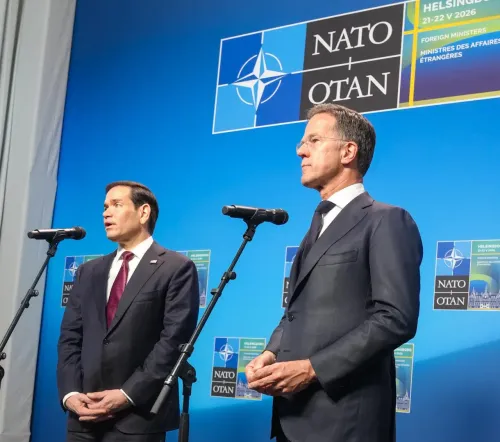
US Secretary of State Marco Rubio called Iran's proposed Strait of Hormuz toll 'simply unacceptable' at NATO foreign ministers' talks in Helsingborg, Sweden on 22 May .
Rubio alleged Iran is attempting to bring Oman into a joint toll system on the strategic waterway.
A Bahrain -sponsored UN Security Council resolution opposing the toll has the highest co-sponsor count ever recorded, but faces a potential veto from 'a couple' of council members.
Rubio said nuclear talks with Iran have seen 'slight progress' but reaffirmed that enrichment and nuclear weapons remain non-negotiable red lines.
The US review of its military presence in Europe is 'not a punitive measure' but a routine global force deployment reassessment, Rubio stated.
Rubio described the upcoming NATO leaders' summit as potentially 'one of the most important in NATO history.'
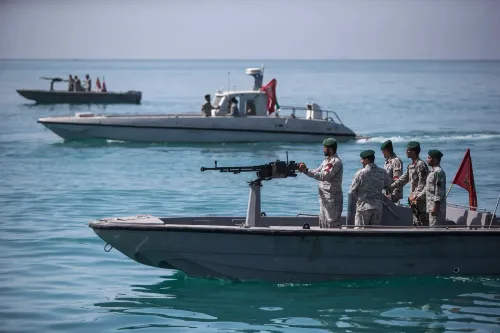
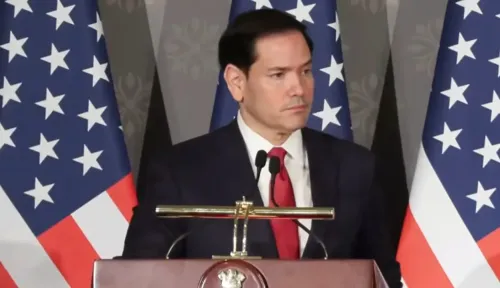
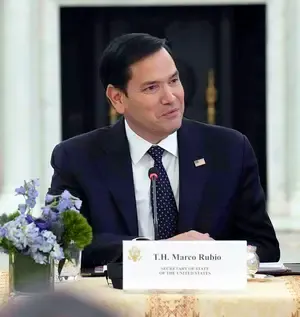
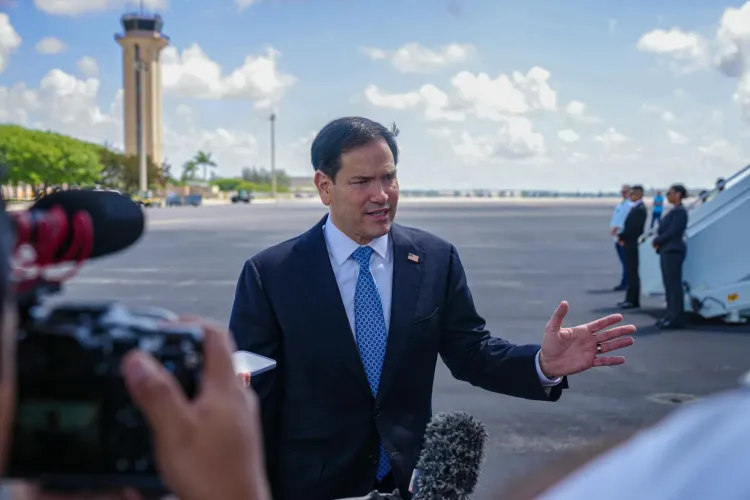
US Secretary of State Marco Rubio declared on Friday, 22 May that any attempt by Iran to impose transit tolls in the Strait of Hormuz is 'simply unacceptable and cannot happen,' warning that such a precedent would trigger similar claims at five other critical maritime chokepoints worldwide. Rubio made the remarks during a meeting of NATO foreign ministers in Helsingborg, Sweden.
The Hormuz Toll Threat
Rubio underscored the global stakes, arguing that if Iran were permitted to levy tolls on Hormuz traffic, other nations would swiftly demand the same right at strategic waterways across the globe. 'Why shouldn't countries around the world say we want to do that too?' he said, stressing that the strait is 'vital and crucial' not only for NATO members but also for nations in the Indo-Pacific.
He further alleged that Iran is actively lobbying Oman to join what he described as a joint toll system. 'There is no country in the world that should accept such a claim,' Rubio stated, adding that he was unaware of any nation — other than Iran itself — that had publicly backed the proposal.
UN Resolution and Security Council Dynamics
Rubio highlighted a resolution sponsored by Bahrain currently under deliberation at the United Nations Security Council, calling it the most co-sponsored text ever submitted to the body. However, he warned that 'a couple of Security Council member states' are considering a veto, which he described as a 'regrettable outcome.'
'We will see if the United Nations still works. It is there that we will try to achieve a concrete result,' he said, expressing confidence that most NATO allies present had already signed on as co-sponsors, or would do so shortly.
Iran Nuclear Talks: Cautious Progress
On the parallel diplomatic track, Rubio offered a measured assessment of ongoing negotiations with Tehran. 'Slight progress has been made. I don't want to exaggerate, but there has been some movement, and that is positive,' he said. He reiterated Washington's non-negotiable red line: 'Iran can never possess a nuclear weapon. This regime can never have nuclear weapons. And to ensure that, we will have to address the issue of enrichment.'
US Military Posture in Europe: Not a Punishment
Addressing concerns among European allies about a potential drawdown of US forces on the continent, Rubio was emphatic that any review is driven by strategic necessity, not political retribution. 'This is not a punitive measure,' he affirmed, framing it as a routine reassessment of global force deployment. He said the process would ultimately yield 'very positive and productive' outcomes through close collaboration with allies, while noting that 'the relationship must be beneficial for all involved parties.'
Setting the Stage for a Historic NATO Summit
Rubio cast the Helsingborg gathering as preparatory groundwork for what he called 'probably one of the most important leaders' summits in NATO history.' He acknowledged that President Donald Trump's 'disappointment with some of our NATO allies and their response to our operations in the Middle East' would need to be addressed at the leaders' level, though not at the current foreign ministers' meeting. The summit is widely expected to be a defining moment for the alliance's cohesion and burden-sharing debate.
Point of View
The gap between 'slight progress' in nuclear talks and 'unacceptable' on Hormuz tolls is wide, and Washington has yet to explain how it bridges the two tracks. The Bahrain resolution's record co-sponsorship count is a diplomatic win, but a Security Council veto would expose the limits of that consensus — and of the UN as an enforcement mechanism.
NationPress
25 Sept 2026
Frequently Asked Questions
What did Rubio say about Iran's proposed Strait of Hormuz toll?
Rubio called Iran's plan to impose transit tolls in the Strait of Hormuz 'simply unacceptable' and said it 'cannot happen.' He warned that allowing such a precedent would prompt similar claims at five other critical maritime chokepoints around the world, and alleged Iran is trying to recruit Oman into a joint toll arrangement.
What is the UN Security Council resolution on Hormuz?
A resolution sponsored by Bahrain opposing Iran's toll claim is currently under discussion at the UN Security Council. According to Rubio, it has attracted the highest number of co-sponsors ever recorded for a Security Council text, though he warned that 'a couple' of member states are considering a veto.
What is the current status of US-Iran nuclear negotiations?
Rubio described 'slight progress' in ongoing talks but cautioned against overstating it. He reaffirmed Washington's core position: Iran must never be allowed to possess nuclear weapons, and the issue of uranium enrichment must be resolved as part of any agreement.
Is the US reviewing its military presence in Europe as a punishment to NATO allies?
No. Rubio explicitly stated the review is 'not a punitive measure' but rather a routine reassessment of global US force deployment. He said the process would proceed collaboratively with allies and expected it to reach 'very positive and productive' decisions.
What is the significance of the NATO foreign ministers' meeting in Helsingborg?
Rubio described the Helsingborg gathering as groundwork for what he believes will be 'one of the most important leaders' summits in NATO history.' He acknowledged that President Trump's documented frustration with certain NATO allies over Middle East operations would need to be addressed at the upcoming summit.