Rubio: US 'completely aligned' with Gulf on Iran deal, rejects Hormuz toll plan
Synopsis
At Kuwait airport after Gulf meetings, Secretary of State Rubio drew a hard line: no Iran deal that undercuts US allies, no tolls on the Strait of Hormuz, and a 60-day clock ticking on Iran's sanctions waiver. The remarks signal Washington is trying to hold together a fragile coalition of Gulf partners and Israel while nudging Tehran toward nuclear inspector access — all at once.
Key Takeaways
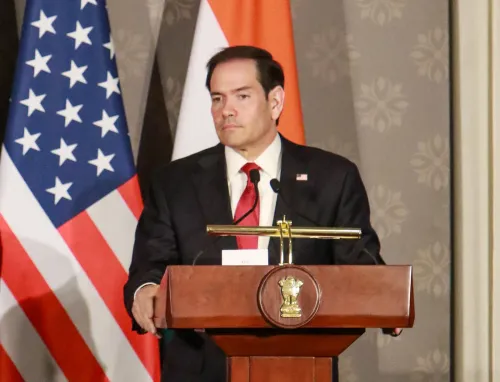
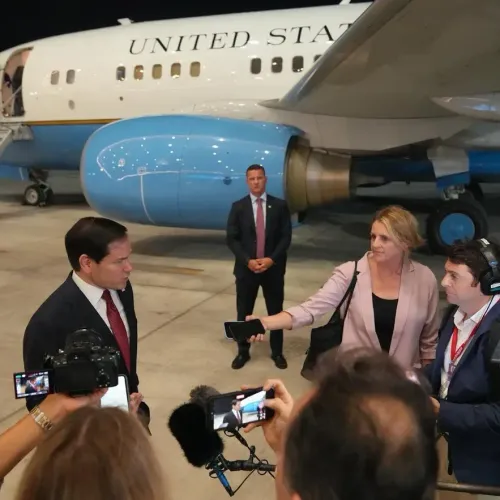
US Secretary of State Marco Rubio declared Washington 'completely aligned' with Gulf partners on any Iran agreement, speaking at Kuwait International Airport on Wednesday .
Rubio rejected an Iranian proposal to charge passage fees through the Strait of Hormuz , calling it unacceptable under international waterway norms.
A temporary waiver on certain Iran oil sanctions is set for 60 days ; Rubio warned the US President retains the option to reverse them if Tehran fails to honour commitments.
Technical negotiations between US and Iranian teams are set to resume next week, involving the State Department and Department of Energy .
Rubio dismissed reports that Israel is seeking to undermine the Switzerland memorandum of understanding, saying Tel Aviv is fully briefed on US positions.
On Lebanon , Rubio said the US aims to strengthen the Lebanese Government and armed forces to gradually displace Hezbollah 's influence — 'not overnight.'
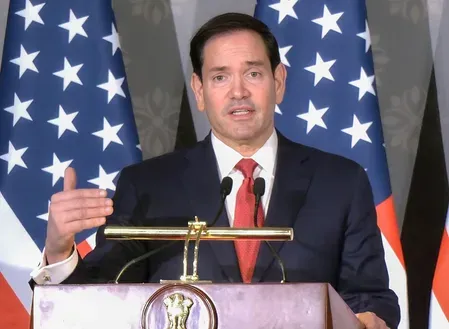
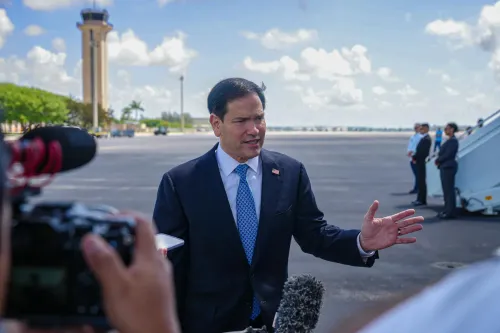
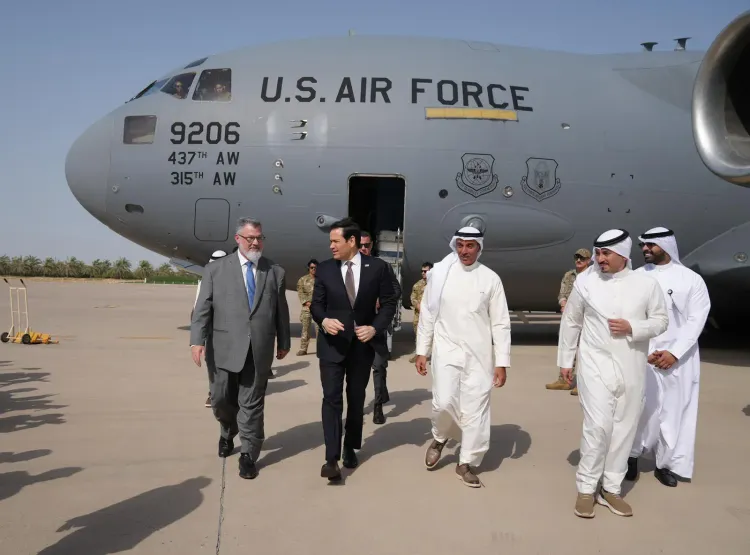
US Secretary of State Marco Rubio on Wednesday declared that Washington remains in full alignment with its Gulf partners on any prospective agreement with Iran, pledging that no deal would be struck that compromises the security of America's longstanding regional allies. Rubio made the remarks to reporters at Kuwait International Airport following a series of high-level meetings across the Gulf.
Security Assurances Are 'Real, Not Promises'
Rubio pushed back firmly against any suggestion that Gulf states harbour doubts about US security guarantees, pointing to decades of military cooperation as the foundation of those ties. 'We have existing relationships with these countries that go back many, many decades. We have troop presence in these countries. We have assets in these countries,' he said.
'I didn't sense any doubts about our security assurances, because they're real. They're not promises; they're actual. They exist,' Rubio added, framing the US military footprint in the region as a structural commitment rather than a diplomatic formality.
Hormuz Toll Proposal Rejected Outright
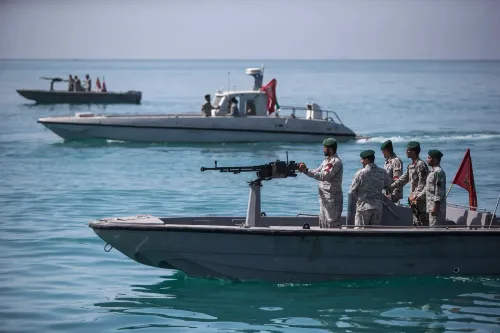
Responding to reports that Gulf countries may have discussed an Iranian proposal to introduce a payment mechanism for passage through the Strait of Hormuz, Rubio dismissed the idea categorically. 'I think the whole world will be against any mechanism that charges money to use an international waterway,' he said. 'When we mean open the straits, we mean open the straits free, and international waterways.' The Strait of Hormuz is a critical global chokepoint through which roughly 20% of the world's oil supply transits, making any toll mechanism a matter of acute international concern.
Iran Sanctions Waiver: A 60-Day Window
Rubio defended the administration's decision to temporarily waive certain oil sanctions on Iran, describing it as a time-bound element of the broader negotiated process following the memorandum of understanding reached in Switzerland. 'This is a temporary measure. It's for 60 days,' he said, warning that Tehran must honour the commitments it made during the Switzerland talks. 'If they don't live up to those commitments, the President has a lot of options at his disposal, including reversing these sanctions,' Rubio said. On the question of when international nuclear inspectors should be permitted back into Iran, he was unequivocal: 'As soon as possible. That's a commitment they made, and it's one they need to keep.'
Technical Talks to Resume Next Week
Rubio confirmed that technical-level negotiations between the two sides would resume the following week, with specialist working groups from the State Department and the Department of Energy involved in discussions covering sanctions relief and nuclear matters. This comes amid continued international scrutiny of whether the Switzerland memorandum can serve as a durable framework for a wider agreement.
Israel, Lebanon, and Broader Regional Agenda
Rubio rejected reports suggesting Israel was seeking to undermine the current memorandum of understanding with Iran. 'I don't know where you're getting that stuff from. We're working on this. The Israelis exactly know what we're working on,' he said, adding that all parties are aware of 'the President's red lines and positions.' On Lebanon, Rubio said US-mediated talks aimed to strengthen the authority of the Lebanese Government and its armed forces so they could gradually assume control of areas currently affected by conflict with Hezbollah. 'We want to see a Lebanon that's in the control of their legitimate government,' he said, cautioning that 'this is not going to happen overnight.' He also reaffirmed US support for diplomatic efforts to end the conflict in Sudan through a ceasefire, humanitarian access, and a lasting peace settlement.
Point of View
But the underlying tensions are real. Gulf states have historically been wary of any US-Iran rapprochement that trades their security interests for a nuclear freeze, and the Switzerland memorandum has reopened those anxieties. The 60-day sanctions waiver is the most consequential signal here — it is a diplomatic carrot that becomes a stick only if Washington actually pulls it back, which past administrations have been reluctant to do. The Hormuz toll rejection is the easy part; the harder test is whether the technical talks next week produce verifiable nuclear inspection access, without which the entire framework risks becoming another interim deal that drifts indefinitely.
NationPress
23 Sept 2026
Frequently Asked Questions
What did Marco Rubio say about the US-Iran deal and Gulf partners?
Rubio said the United States is 'completely aligned' with Gulf partners and will not pursue any agreement with Iran that undermines their security. He made the remarks at Kuwait International Airport on Wednesday following meetings across the Gulf region.
Why did Rubio reject the Strait of Hormuz toll proposal?
Rubio dismissed an Iranian proposal to charge fees for passage through the Strait of Hormuz, stating that 'the whole world will be against any mechanism that charges money to use an international waterway.' He clarified that 'open straits' means free passage under international norms.
What is the 60-day Iran sanctions waiver?
The US administration temporarily waived certain oil sanctions on Iran as part of the negotiated process following a memorandum of understanding reached in Switzerland. Rubio described it as a time-limited measure, warning that if Iran fails to honour its commitments, the President retains the option to reverse the waivers.
When will US-Iran technical negotiations resume?
Rubio confirmed that technical-level talks would resume the following week, with working groups from the State Department and Department of Energy handling issues including sanctions and nuclear matters.
Is Israel trying to undermine the Iran memorandum of understanding?
Rubio flatly rejected that characterisation, saying Israel is fully aware of what the US is working on and understands the President's red lines. He dismissed the reports as unfounded.