Rubio: US ready for Iran nuclear talks if Hormuz Strait reopens
Synopsis
Rubio’s New Delhi remarks reveal a stark US sequencing demand: reopen the Strait of Hormuz first, nuclear talks second — with a 60-day military threat clock ticking in the background. The phased approach signals tactical flexibility from Washington, but critics warn it hands Tehran an early win without securing the harder nuclear concessions.
Key Takeaways
US Secretary of State Marco Rubio said on 25 May that Washington would enter nuclear talks with Iran only after the Strait of Hormuz is reopened.
Rubio warned that President Trump retains all military options if negotiations do not deliver results within 60 days .
He described progress in talks as ‘significant, although not final.’ Iran can ‘never possess a nuclear weapon’ — the administration’s stated red line, reiterated by Rubio.
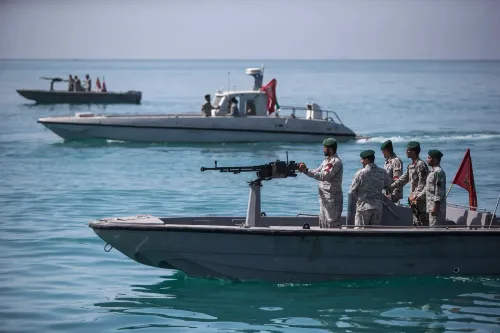
The US and Gulf partners are working on a framework for a toll-free, fully open Strait of Hormuz , contingent on Iranian compliance.
Critics argue the phased deal structure could reduce US leverage in subsequent nuclear negotiations.
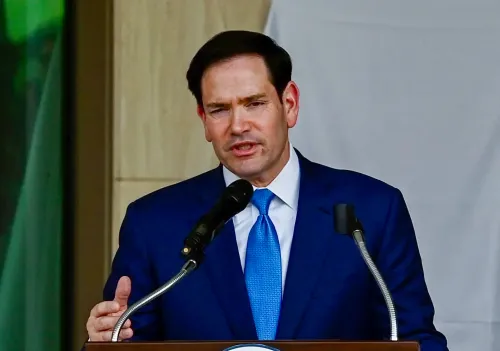
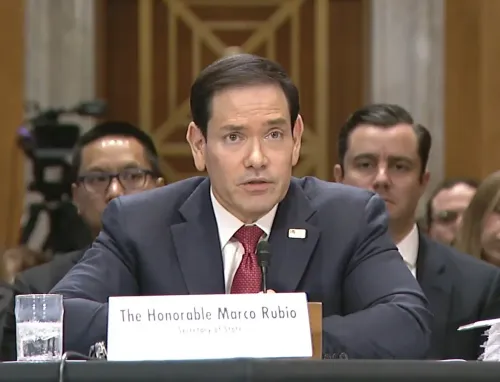
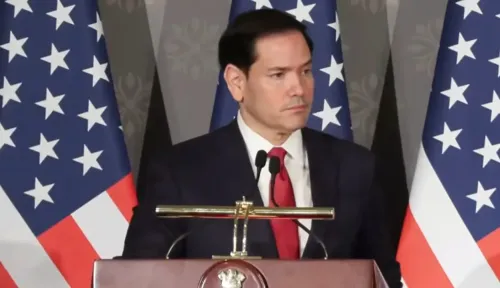
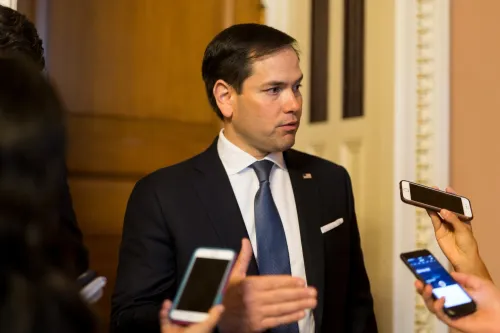
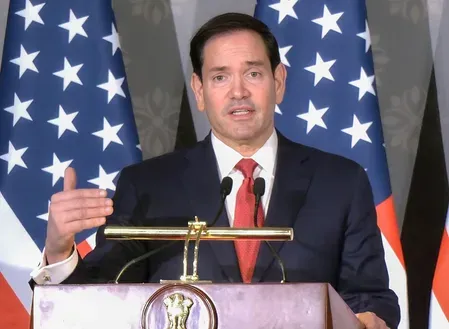
US Secretary of State Marco Rubio said on 25 May that Washington was prepared to enter “very serious talks” on Iran’s nuclear programme — but only after Tehran reopened the Strait of Hormuz. The remarks, made during his visit to New Delhi, suggest the United States may pursue a phased approach that defers the nuclear question while first securing the critical waterway.
The Hormuz Condition
Rubio was unambiguous about the sequencing. “The straits have to be immediately reopened, and then we will enter, under agreed-to parameters, into very serious talks about enrichment, about the highly enriched uranium and about their pledge to never have nuclear weapons,” he said. He added that resolving the technical dimensions of a nuclear agreement would require time, but not years: “It can’t take years, but it’ll take some time to work through those technical matters.”
The 60-Day Warning
Rubio also signalled that Washington’s patience has a hard deadline. He indicated the US could renew threats of military action against Iran if negotiations fail to produce results within two months. “If it doesn’t [deliver], then the president has every option available to him in 60 days that he has available to him now,” Rubio said, making clear that diplomatic engagement would not indefinitely foreclose other options for President Donald Trump.
Nuclear Red Line Restated
Rubio reiterated the administration’s core position that Iran can never possess a nuclear weapon. He said “significant progress, although not final progress” had been made, and deferred to Trump to make further announcements. “The President has been clear about that — they will never possess a nuclear weapon, certainly not as long as Donald Trump is president of the United States,” he said.
Outline for an Open Strait
Rubio noted that the US and its Gulf partners have been working on a framework that could result in a “completely open” Strait of Hormuz without tolls — contingent on Iran fully accepting and implementing the terms. Neither Washington nor Tehran has publicly released details of any agreement outline.
Critics Flag Leverage Risk
The phased approach has drawn criticism from analysts and lawmakers who argue it could erode US negotiating leverage. A deal that first addresses the strait without locking in nuclear concessions, critics contend, would allow Iran to pocket early gains before the harder talks begin. The absence of public details has compounded concerns about the durability of any interim arrangement.
With Rubio hinting at further announcements and a 60-day clock apparently running, the coming weeks will test whether Washington’s phased gambit can hold together — or whether the nuclear and strait questions prove impossible to sequence.
Point of View
Washington risks giving Tehran a sequenced path to pocket strategic wins incrementally. The 60-day threat window is real leverage — but only if the administration is prepared to use it, and past Iran negotiations suggest deadlines slip. What’s missing from Rubio’s public framing is any verification architecture: who certifies the strait is ‘fully open,’ and on what terms does the nuclear phase begin? Without those details, the outline is less a deal and more a press release.
NationPress
9 Oct 2026
Frequently Asked Questions
What did Marco Rubio say about Iran nuclear talks?
US Secretary of State Marco Rubio said Washington is prepared to enter serious nuclear talks with Iran, but only after Tehran reopens the Strait of Hormuz. He made the remarks during his visit to New Delhi on 25 May.
What is the US condition for resuming Iran nuclear negotiations?
The US has set the immediate reopening of the Strait of Hormuz as a precondition for entering nuclear talks. Rubio said discussions on enrichment and highly enriched uranium would follow once the strait is reopened under agreed parameters.
What happens if Iran-US talks fail within 60 days?
Rubio indicated that President Trump retains all military options if negotiations do not produce results within 60 days. He said, ‘the president has every option available to him in 60 days that he has available to him now.’
What progress has been made in US-Iran talks?
Rubio described the progress as ‘significant, although not final,’ and deferred to President Trump to make further announcements. Neither Washington nor Tehran has publicly released details of any agreement outline.
Why are critics concerned about a phased Iran deal?
Critics argue that a phased approach — addressing the Strait of Hormuz before nuclear concessions — could reduce US leverage in subsequent negotiations, allowing Iran to secure early gains without committing to the harder nuclear terms.