Bihar CM Office Pushes PM Surya Ghar & PM-KUSUM Rollout
Synopsis
The Chief Minister's Office of Bihar on 9 July 2026 called for accelerated implementation of PM Surya Ghar: Muft Bijli Yojana and PM-KUSUM Yojana, emphasising faster target achievement for rooftop solar adoption and agricultural solarisation across the state.
Key Takeaways
The Chief Minister's Office of Bihar on 9 July 2026 directed a push to speed up implementation of two central solar schemes.
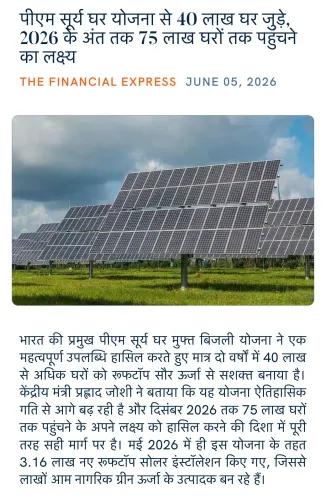
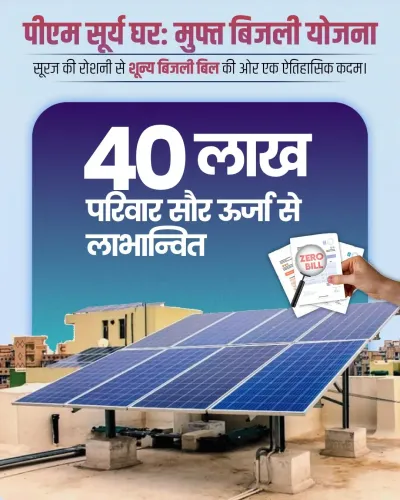
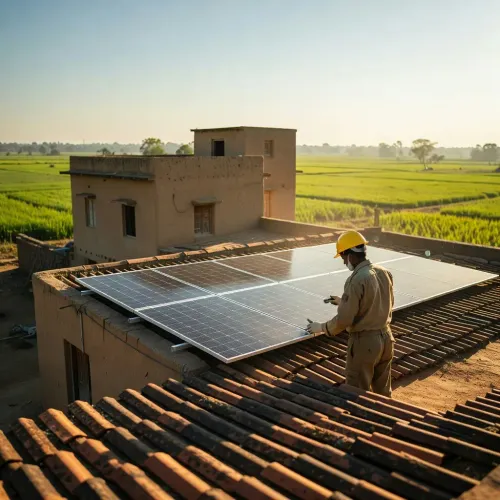
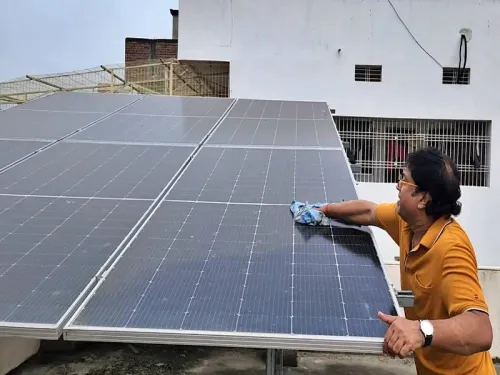
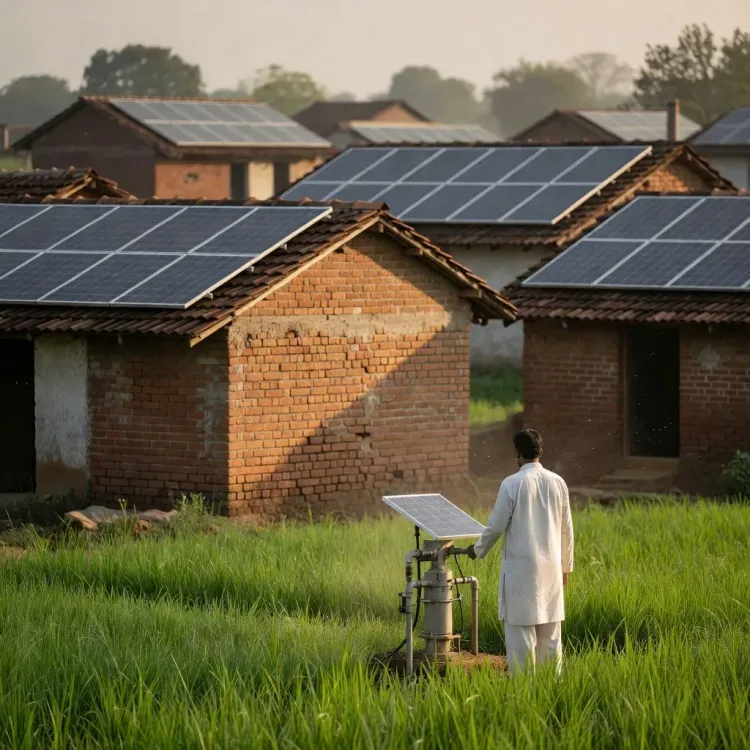
PM Surya Ghar: Muft Bijli Yojana , launched in the 2024 Union Budget , targets one crore households with up to 300 units of free monthly electricity via rooftop solar.
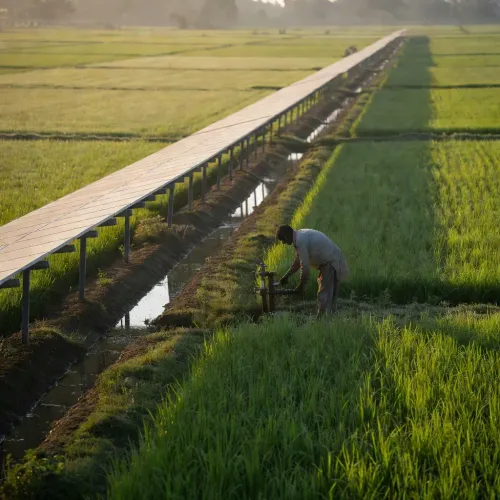
PM-KUSUM Yojana , launched in 2019 , promotes solar pumps and feeder solarisation for farmers, reducing diesel dependency.
Both schemes are central to India's goal of 500 GW of non-fossil power capacity by 2030 .
Bihar's large rural and agricultural population makes it a critical state for the national success of both programmes.
State-level registration data and solar pump installation figures will be key indicators of follow-through on this directive.
The Chief Minister's Office of Bihar, on Thursday, 9 July 2026, signalled a renewed push to accelerate two flagship central renewable-energy programmes — Pradhan Mantri Surya Ghar: Muft Bijli Yojana and PM-KUSUM Yojana — urging faster achievement of set targets and deeper solarisation of the agricultural sector in the state.
The post, shared from the official handle of @officecmbihar, stated that special emphasis was placed on speeding up the 'effective and wide-scale implementation' of Pradhan Mantri Surya Ghar: Muft Bijli Yojana (PM Surya Ghar: Free Electricity Scheme) to reach designated goals at the earliest, and on accelerating the solarisation of agriculture under PM-KUSUM Yojana.
Context
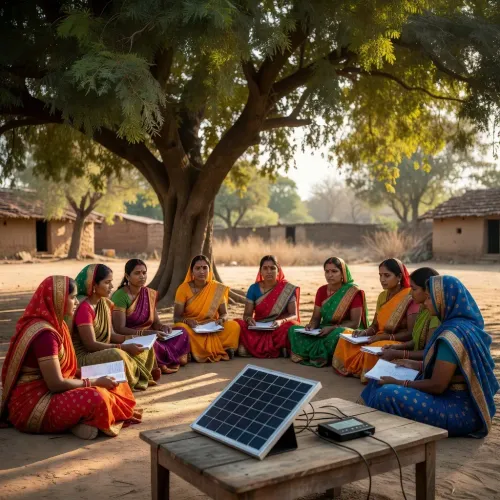
Pradhan Mantri Surya Ghar: Muft Bijli Yojana was announced in the 2024 Union Budget with the ambition of equipping one crore households across India with rooftop solar panels capable of generating up to 300 units of free electricity every month. The scheme targets low- and middle-income households and is administered by the Ministry of New and Renewable Energy (MNRE). Bihar, with a large rural population and historically low per-capita electricity consumption, is a key state for the scheme's national targets. PM-KUSUM Yojana — Pradhan Mantri Kisan Urja Suraksha evam Utthaan Mahabhiyan — was launched in 2019 to promote solar-powered irrigation pumps, grid-connected solar plants on barren land, and feeder solarisation for farmers. The programme directly reduces diesel dependency among farmers and lowers the subsidy burden on power distribution companies.Policy Backdrop
Both schemes sit within India's broader commitment to achieving 500 GW of non-fossil fuel-based power capacity by 2030, a target that demands rapid decentralised deployment at the state level. Rooftop solar and agricultural feeder solarisation are considered the fastest routes to distributed generation, reducing transmission losses and cutting carbon intensity of the grid. Bihar has historically lagged in renewable energy capacity relative to larger states, making accelerated implementation of centrally sponsored schemes especially significant. The state's agriculture-heavy economy means PM-KUSUM, in particular, holds the potential to transform input costs for a large share of the rural workforce.Stakeholders and Impact
Rural households stand to gain directly from PM Surya Ghar through sharply reduced electricity bills and, in many cases, zero-cost power for basic consumption. Farmers are the primary beneficiaries of PM-KUSUM, which replaces costly diesel pumps with solar alternatives and can generate additional income through surplus power fed back into the grid. For the state government, faster rollout also means reduced pressure on the power subsidy budget and improved energy access metrics — both politically and administratively significant ahead of any future assessments of governance performance.What's Next
Attention will now turn to state-level progress reports on household registrations under PM Surya Ghar and the number of solar pump installations completed under PM-KUSUM in Bihar. Any supplementary budget allocations for last-mile grid connectivity or beneficiary onboarding infrastructure will be closely watched as indicators of how seriously the state intends to match its stated urgency with financial commitment. If Bihar succeeds in rapidly scaling both programmes, it could serve as a replicable model for other high-population, agriculture-dependent states seeking to meet national renewable energy goals while delivering tangible benefits to rural communities.Point of View
And a public directive of this kind creates a degree of accountability for measurable delivery. The dual focus — household rooftop solar and agricultural feeder solarisation — reflects the Centre's strategy of using states as implementation engines for its 500 GW non-fossil target. For Chief Minister Nitish Kumar, visible progress on these schemes carries both governance and political value in a state where rural energy access remains a live issue. The real test will be whether administrative follow-through matches the stated ambition, particularly in last-mile connectivity and beneficiary registration.
NationPress
10 Jul 2026
Frequently Asked Questions
What is PM Surya Ghar Muft Bijli Yojana?
PM Surya Ghar: Muft Bijli Yojana is a central government scheme announced in the 2024 Union Budget that aims to install rooftop solar panels in one crore households, providing up to 300 units of free electricity per month.
What is PM-KUSUM Yojana and how does it help farmers?
PM-KUSUM Yojana, launched in 2019, supports farmers by replacing diesel irrigation pumps with solar-powered ones, developing grid-connected solar plants on barren land, and solarising agricultural feeders, thereby cutting input costs and enabling surplus power sales.
Why is Bihar focusing on solar energy schemes in 2026?
Bihar is pushing accelerated implementation of PM Surya Ghar and PM-KUSUM to improve rural energy access, reduce power subsidy burdens, and contribute to India's national target of 500 GW of non-fossil fuel capacity by 2030.
Who is the Chief Minister of Bihar?
Nitish Kumar is the Chief Minister of Bihar, and it is his office that posted the update on 9 July 2026 calling for faster rollout of the two solar schemes.
What targets are set under PM Surya Ghar scheme?
The scheme targets installation of rooftop solar systems in one crore households across India, with each system capable of generating up to 300 units of free electricity per month for the beneficiary household.