Pralhad Joshi urges Maharashtra to scale PM-KUSUM 2.0, solar push
Synopsis
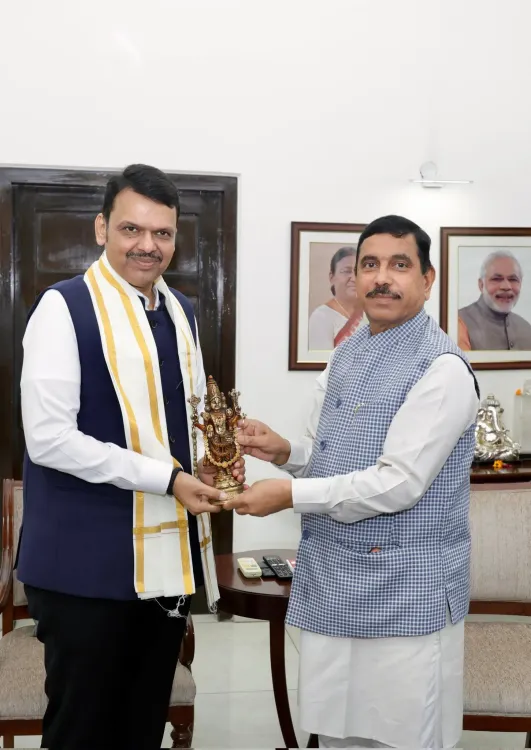
Union Minister Pralhad Joshi met Maharashtra CM Devendra Fadnavis on 7 July 2026, urging faster scale-up of PM-KUSUM 2.0 for farmers and PM Surya Ghar rooftop solar, while also discussing technology-driven modernisation of the state's foodgrain procurement systems.
Key Takeaways
Pralhad Joshi met Maharashtra CM Devendra Fadnavis on 7 July 2026 to review renewable energy and food security delivery.
Joshi appreciated Maharashtra's progress under PM Surya Ghar: Muft Bijli Yojana and urged further scale-up of PM-KUSUM 2.0 to benefit farmers.
PM-KUSUM , launched in 2019 , promotes solar pumps and grid-connected solar plants for the agricultural sector.
Both leaders discussed modernising Maharashtra's foodgrain procurement through technology-driven solutions across the value chain.
The meeting reaffirmed commitment to deeper Centre-State collaboration on sustainable development and national progress.
Maharashtra's implementation pace on both fronts will be closely watched ahead of the next parliamentary session.
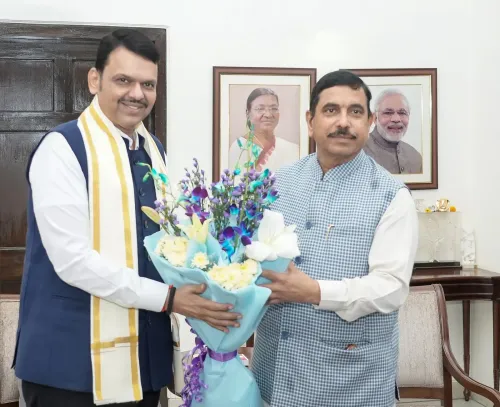
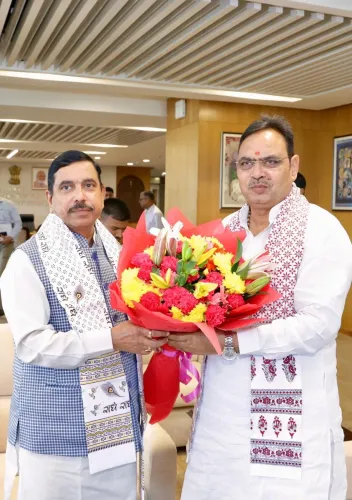
Union Minister of New and Renewable Energy and Consumer Affairs Pralhad Joshi met Maharashtra Chief Minister Devendra Fadnavis on Tuesday, 7 July 2026, to review the state's progress on central renewable energy and food security schemes and press for faster implementation.
Context
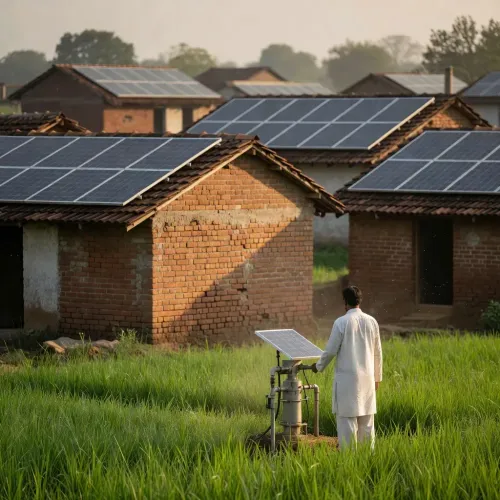
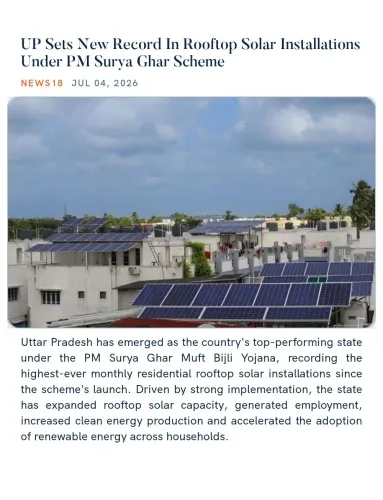
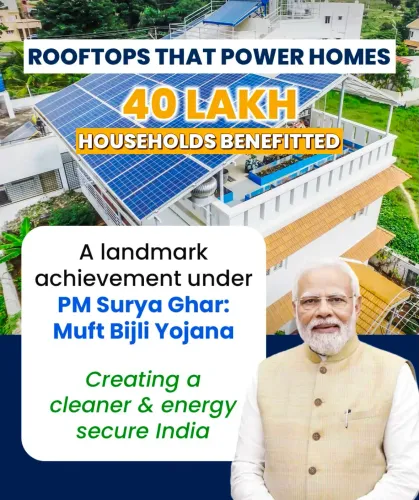
Joshi appreciated Maharashtra's progress in expanding solar rooftop installations under the PM Surya Ghar: Muft Bijli Yojana, a centrally sponsored scheme introduced in the 2024 Union Budget to provide free electricity to households through rooftop solar. He simultaneously urged the state to further scale up PM-KUSUM 2.0, the expanded version of the Pradhan Mantri Kisan Urja Suraksha evam Utthan Mahabhiyan scheme launched in 2019 to promote solar pumps and grid-connected solar power plants for farmers. The minister's push reflects the Centre's strategy of using high-level bilateral meetings to accelerate state-level delivery of flagship energy programmes.
Policy Backdrop
The PM Surya Ghar: Muft Bijli Yojana targets a nationwide expansion of rooftop solar capacity, with states acting as primary implementation partners. PM-KUSUM, which covers solar pumps, solarisation of existing grid-connected pumps, and small solar power plants on barren land, has a direct bearing on farm energy costs and irrigation reliability. Joshi's call to 'accelerate clean energy adoption and enhance energy security for farmers' aligns with India's federal model of pushing centrally designed targets through state-specific scaling. Maharashtra, as one of India's larger agricultural and industrial states, carries significant weight in national renewable energy tallies.
On the food security front, the two leaders exchanged views on 'modernisation of procurement systems, greater operational efficiency and adoption of technology-driven solutions across the foodgrain value chain.' This conversation sits within the broader framework of the National Food Security Act, 2013 and subsequent digital procurement reforms that have pushed states to integrate technology into minimum support price operations, warehousing, and beneficiary identification under the Public Distribution System.
Stakeholders and Impact
Maharashtra's farming community stands to benefit most directly from an accelerated PM-KUSUM 2.0 rollout, which can reduce dependence on diesel pumps and subsidised grid power while providing an additional income stream through surplus solar power fed back to the grid. Urban and peri-urban households enrolled under PM Surya Ghar would see reduced electricity bills. On the food security side, technology-driven procurement reforms could reduce leakages, speed up payments to farmers, and improve the reliability of grain supply to Public Distribution System beneficiaries across the state. Both agendas converge on the Centre's stated goal of strengthening 'energy security for farmers' and the 'food security ecosystem' simultaneously.
What's Next
The meeting concluded with both leaders reaffirming 'commitment to deeper Centre-State collaboration for sustainable development and national progress.' Observers will watch for state-level progress reports on rooftop solar targets, approvals under the PM-KUSUM 2.0 component pipeline in Maharashtra, and any follow-up administrative orders on food procurement modernisation. The agenda could also surface in the next parliamentary session when renewable energy and food security budgetary allocations come under scrutiny. Maharashtra's pace of implementation will be a bellwether for how effectively the Centre's twin priorities of clean energy and food security translate into ground-level outcomes in a large, politically consequential state.
Point of View
Joshi is using both the carrot and the nudge, a calibrated approach when dealing with a large BJP-governed state that shares the Centre's political incentives. The dual agenda — clean energy for farmers and technology in food procurement — signals that the Union government is bundling rural welfare optics with structural reform in the run-up to potential budget and parliamentary scrutiny. Maharashtra's response will set a visible benchmark that other states will be measured against.
NationPress
6 Oct 2026
Frequently Asked Questions
What is PM-KUSUM 2.0 and how does it help Maharashtra farmers?
PM-KUSUM 2.0 is the expanded version of the Pradhan Mantri Kisan Urja Suraksha evam Utthan Mahabhiyan scheme, which provides solar pumps, solarises existing grid-connected pumps, and enables small solar plants on barren farmland, reducing diesel costs and giving farmers an additional income by selling surplus power to the grid. Union Minister Pralhad Joshi urged Maharashtra to scale up this component to accelerate clean energy adoption and strengthen farmer energy security.
What is PM Surya Ghar Muft Bijli Yojana?
PM Surya Ghar: Muft Bijli Yojana is a centrally sponsored scheme introduced in the 2024 Union Budget that promotes rooftop solar installations to provide free or subsidised electricity to households. Maharashtra has been recognised for commendable progress in expanding installations under this scheme.
Why did Pralhad Joshi meet Devendra Fadnavis in July 2026?
Union Minister Pralhad Joshi met Maharashtra Chief Minister Devendra Fadnavis on 7 July 2026 to review the state's progress on PM Surya Ghar rooftop solar, push for faster PM-KUSUM 2.0 rollout, and discuss modernising Maharashtra's foodgrain procurement systems through technology-driven solutions.
How does Maharashtra's food procurement modernisation connect to the Centre's food security goals?
Maharashtra's modernisation of procurement systems aligns with the National Food Security Act framework and the Centre's push for technology-driven solutions across the foodgrain value chain, aiming to reduce leakages, speed up farmer payments, and improve Public Distribution System reliability.
What will be the next steps after the Joshi-Fadnavis meeting?
Observers will watch for state-level progress reports on Maharashtra's rooftop solar targets, approvals under PM-KUSUM 2.0, and administrative follow-up on food procurement modernisation. These issues may also come up during the next parliamentary session when renewable energy and food security allocations are reviewed.