CM Samrat Choudhary marks 10 years of PMAY-G rural housing
Synopsis
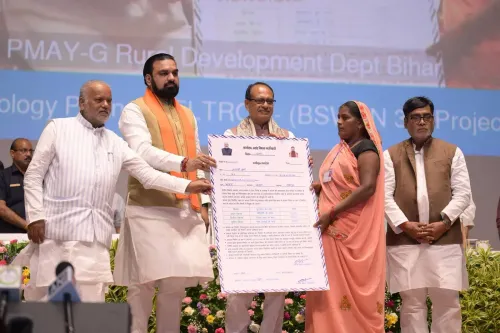
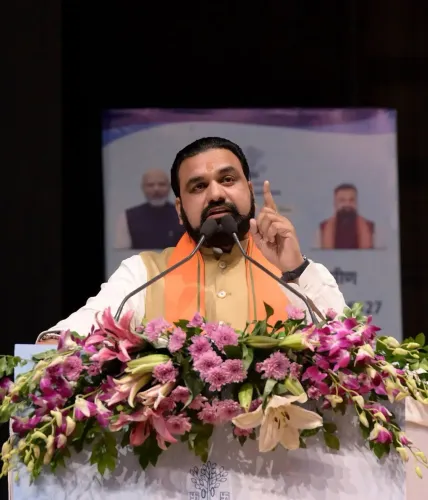
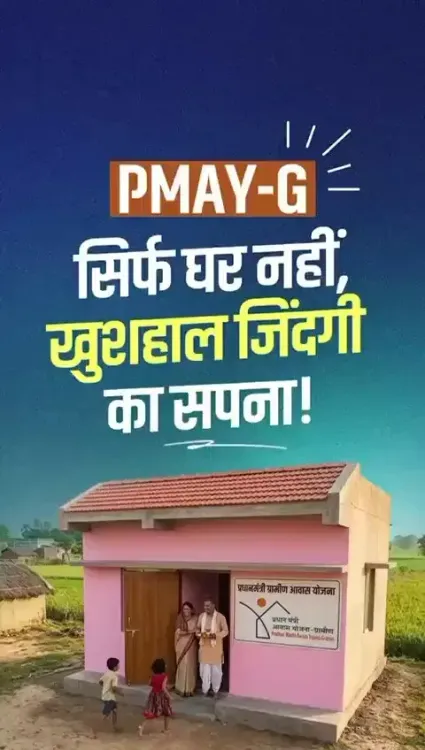
Bihar CM Samrat Choudhary celebrated the 10th anniversary of PMAY-G on 20 November 2026, calling it a journey from Antyodaya's resolve to genuine public welfare, and crediting PM Modi's leadership for integrating housing with electricity and sanitation for rural families.
Key Takeaways
Bihar Chief Minister Samrat Choudhary marked the 10-year anniversary of Pradhan Mantri Awas Yojana–Gramin (PMAY-G) on 20 November 2026 .
PMAY-G was launched in 2016 as a restructured rural housing programme replacing the earlier Indira Awaas Yojana, targeting eligible rural poor households.
The scheme combines pucca housing with convergence amenities including electricity, sanitation, and clean cooking fuel.
CM Choudhary framed the decade as a movement from 'Antyodaya resolve' to 'public welfare achievement,' attributing progress to PM Narendra Modi's leadership.
Bihar is among the highest-drawing states under PMAY-G given its large rural poor population.
State-level completion reports and potential next-phase targets for PMAY-G are expected to come under central review in coming months.
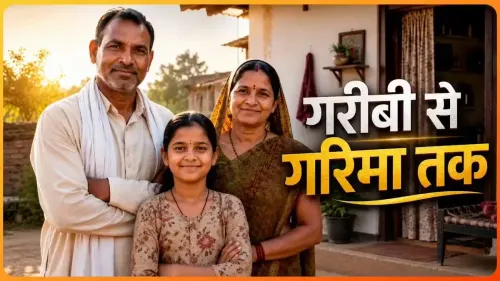
Ten years after it reshaped what home means for millions of rural Indians, the Pradhan Mantri Awas Yojana–Gramin is drawing tributes from across the political spectrum — and Bihar Chief Minister Samrat Choudhary wants the milestone to land with the weight it deserves.
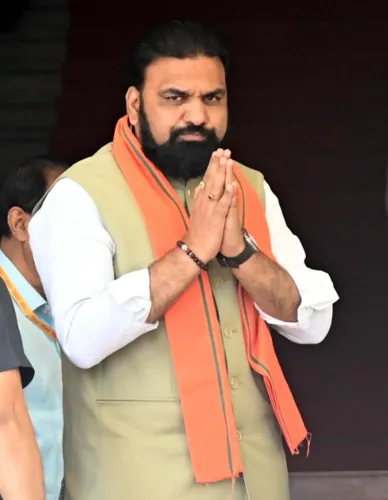
Posting on Friday, 20 November 2026, CM Choudhary called the scheme's decade of implementation 'antyodaya ke sankalp se jankalyan ki siddhi tak ki ek mahatvapurna yatra' — 'an important journey from the resolve of Antyodaya to the realisation of public welfare.' The post, addressed in part to Prime Minister Narendra Modi, framed PMAY-G not merely as a housing programme but as a vehicle for social equality and an improved standard of living in India's villages.
From bare land to pucca walls — what PMAY-G actually built
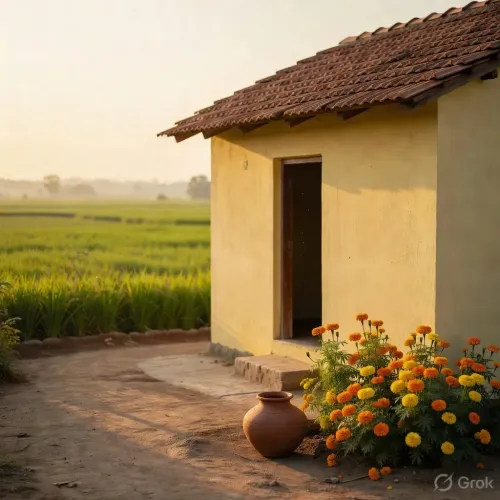
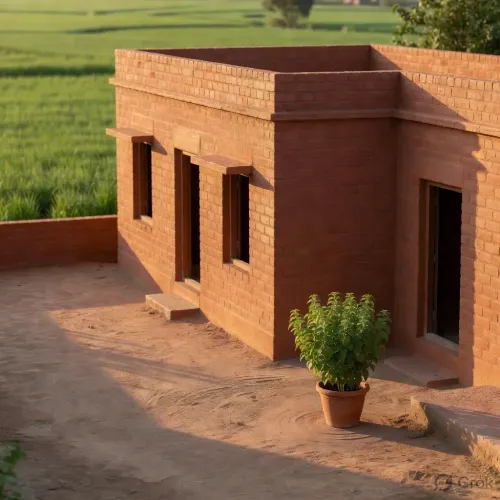
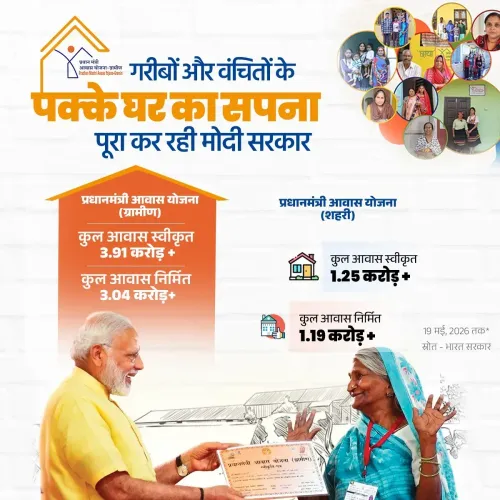
PMAY-G was launched in 2016 as a restructured central rural housing initiative, replacing the earlier Indira Awaas Yojana. Its design was deliberate: eligible rural poor households would receive not just a house but a convergence of basic amenities — electricity under the Saubhagya scheme, sanitation under Swachh Bharat Mission, and clean cooking fuel under the Ujjwala scheme. The goal was a dignified, fully serviced home, not four walls and a roof.
CM Choudhary highlighted precisely this integration, noting that the combination of 'pakke aawaas ke saath bijli, swachhata aur anya buniyadi suvidhaen' — 'a pucca house alongside electricity, sanitation and other basic facilities' — is driving positive change in rural family life. It is a point the BJP has consistently made: that housing's real dividend is the cluster of gains that arrive with it.
Bihar's stake in India's rural housing push
Bihar is among the states with the largest share of rural poor households, making it one of the heaviest-drawing states under PMAY-G. For CM Choudhary, celebrating the scheme's tenth year carries both political and administrative significance — it underscores his government's alignment with the central welfare agenda while spotlighting what village-level delivery looks like on the ground.
The broader BJP framing, evident in the post's hashtag #PMAYG, positions the decade as proof that the party's governance translates ideology into infrastructure. 'Gaanvon ki samriddhi se rashtra ki pragati tak' — 'from the prosperity of villages to the progress of the nation' — is not a new slogan, but after ten years it now comes attached to built houses and connected grids.
What the next phase will reveal
The scheme's anniversary arrives at a moment when state-level completion reports and any extension targets under a potential next phase of PMAY-G are under watch in central reviews. How many homes were actually built, handed over, and occupied — with all promised amenities functional — will determine whether the decade-long narrative holds up to scrutiny.
Welfare delivery at scale is always easier to announce than to audit. The coming months of central review will put a number, not just a sentiment, on a decade's work.
Point of View
With BJP chief ministers amplifying the central government's welfare narrative ahead of potential scheme extensions or fresh targets. CM Choudhary's post is emblematic of a broader BJP strategy: linking state-level delivery to Modi's brand of governance, particularly in electorally sensitive states like Bihar. The convergence model — housing bundled with power, sanitation, and gas — is the party's answer to critics who frame welfare as piecemeal; the anniversary gives it a decade's worth of rhetorical ammunition. The harder test, as always, will be independent audit of on-the-ground completion and habitability data, which could either validate or complicate the celebratory framing.
NationPress
20 Nov 2026
Frequently Asked Questions
What is Pradhan Mantri Awas Yojana Gramin (PMAY-G)?
PMAY-G is a central government scheme launched in 2016 that provides pucca (permanent) houses to eligible rural poor households, bundled with basic amenities like electricity, sanitation, and clean cooking fuel.
When was PMAY-G launched and how many years has it completed?
PMAY-G was launched in 2016 and completed 10 years of implementation as of 2026, a milestone marked by Bihar CM Samrat Choudhary and other BJP leaders.
What did Bihar CM Samrat Choudhary say about PMAY-G?
CM Choudhary described PMAY-G's ten-year journey as moving 'from the resolve of Antyodaya to the realisation of public welfare,' crediting PM Modi's leadership for expanding rural housing alongside electricity and sanitation.
What is the difference between PMAY-G and the old Indira Awaas Yojana?
PMAY-G replaced the Indira Awaas Yojana in 2016 with a restructured design that explicitly converges housing assistance with other central welfare schemes for electricity, sanitation, and cooking gas.
What comes next for PMAY-G after 10 years?
State-level completion reports and potential next-phase targets or extensions for PMAY-G are expected to come under central government review, which will put concrete numbers on a decade of implementation.