CM Samrat Choudhary: Bihar gets 11.18 lakh PMAY-G homes for FY27
Synopsis
Bihar Chief Minister Samrat Choudhary announced a PMAY-G target of 11,18,937 new rural houses for FY 2026-27, backed by a proposed ₹13,427.25 crore outlay from central and state funds, calling it a step toward PM Modi's 'Housing for All' goal.
Key Takeaways
Bihar has been assigned a target of 11,18,937 new houses under PMAY-G for FY 2026-27 .
The proposed total outlay is ₹13,427.25 crore , combining central and state government shares.
PMAY-G operates on a 60:40 central-to-state funding ratio for non-hilly states like Bihar.
The scheme was launched in 2016 , replacing the Indira Awas Yojana, with an original national target of 2.95 crore houses .
CM Choudhary linked the allocation to PM Narendra Modi 's flagship 'Housing for All' commitment under the #GaribKalyan and #विकसित_भारत frameworks.
Actual fund release and quarterly completion rates will determine whether the target translates to finished homes on the ground.
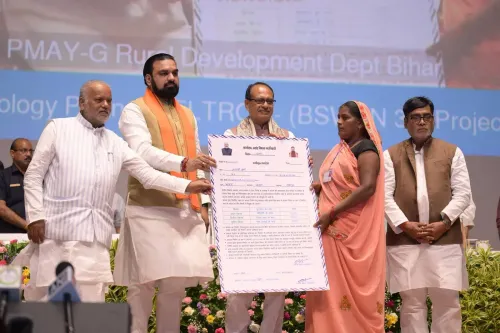
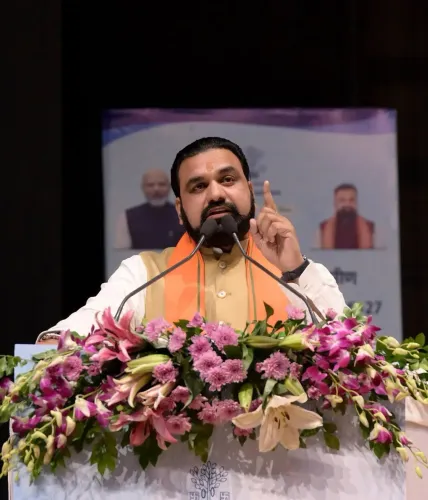
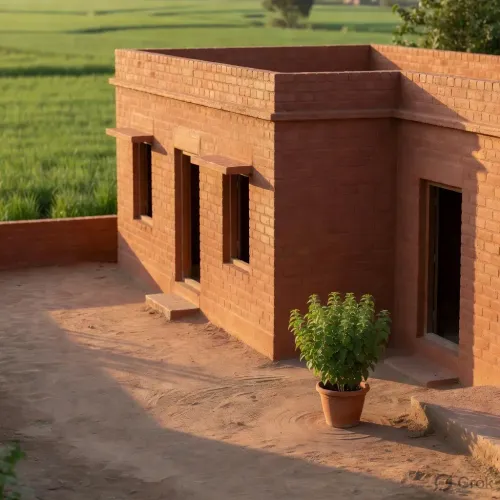
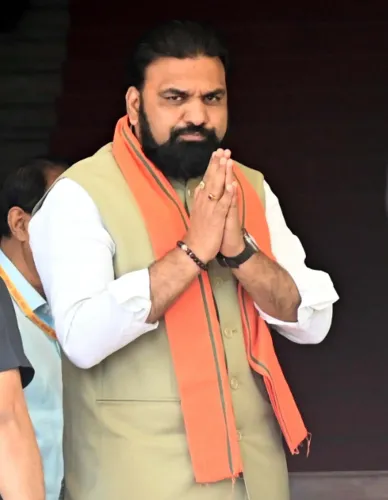
Over eleven lakh rural families in Bihar are set to get a roof over their heads — and a concrete one at that. Bihar Chief Minister Samrat Choudhary announced on Thursday, 20 August 2026 that the state has been assigned a target of 11,18,937 new houses under Pradhan Mantri Awas Yojana-Gramin (PMAY-G) for financial year 2026-27, backed by a proposed outlay of ₹13,427.25 crore combining central and state shares.
Bihar's biggest rural housing push under PMAY-G
Posting in Hindi, CM Choudhary framed the allocation as the fulfilment of a long-standing promise: 'गरीब परिवारों के अपने पक्के घर का सपना लगातार साकार हो रहा है' — 'the dream of a pucca home for poor families is steadily becoming a reality.' The scale is significant. ₹13,427.25 crore is a substantial single-year commitment to one state, reflecting Bihar's status as one of India's highest-need rural housing markets given its large below-poverty-line population.
PMAY-G, launched in 2016 as a replacement for the earlier Indira Awas Yojana, operates on a 60:40 central-to-state funding ratio. That means the Centre carries the heavier share of the bill — a structural feature Choudhary acknowledged directly, offering 'heartfelt gratitude' to the central government for the partnership.
Modi's 'Housing for All' and Bihar's role in the count
Prime Minister Narendra Modi's 'Housing for All' pledge has been a defining pillar of the NDA government's welfare architecture since 2014. PMAY-G was originally set a national target of 2.95 crore houses by 2022 — a deadline that was subsequently extended as ground realities, beneficiary verification, and fund absorption timelines stretched the programme. Bihar, with its vast rural hinterland, has consistently been among the top recipient states in annual target assignments.
Choudhary's post carries the hashtags #GaribKalyan and #विकसित_भारत (Viksit Bharat — 'Developed India'), slotting the announcement neatly into the BJP's twin welfare-and-aspiration messaging framework. The scheme's progress is tracked through geo-tagged photographs and verified beneficiary lists, giving the Centre a layer of accountability over fund releases each quarter.
What the ₹13,427 crore figure means on the ground
Translate the numbers to human scale: 11.18 lakh families — each awaiting a government-assisted pucca structure — spread across Bihar's rural districts. Successful delivery would mark one of the state's largest single-year housing drives. The critical variable now is disbursement: whether central and state budget allocations flow on schedule, and whether completion rates in Bihar's quarterly progress reports keep pace with the target.
For the ruling coalition in both Patna and Delhi, visible progress on rural housing before the next electoral cycle carries obvious political weight. But for the families on the waiting list, the stakes are simpler and more urgent — a permanent home against Bihar's punishing monsoons and floods.
Eleven lakh families are watching the ledger. The target is set; now the concrete has to pour.
Point of View
However, lies not in the target but in execution: Bihar's track record on PMAY-G completion rates and fund utilisation will determine whether this becomes a genuine welfare milestone or another ambitious number that outpaces delivery.
NationPress
5 Oct 2026
Frequently Asked Questions
What is Bihar's PMAY-G target for 2026-27?
Bihar has been assigned a target of 11,18,937 new rural houses under Pradhan Mantri Awas Yojana-Gramin for financial year 2026-27, according to CM Samrat Choudhary's announcement.
How much money is allocated for Bihar housing under PMAY-G in FY 2026-27?
A total outlay of ₹13,427.25 crore has been proposed, combining the central government's share and Bihar's state government contribution under the 60:40 funding pattern.
What is Pradhan Mantri Awas Yojana-Gramin (PMAY-G)?
PMAY-G is a centrally sponsored rural housing scheme launched in 2016 to provide pucca (permanent) houses to eligible below-poverty-line households, replacing the earlier Indira Awas Yojana.
Who is Samrat Choudhary?
Samrat Choudhary is the Chief Minister of Bihar and a senior BJP leader responsible for overseeing the state's implementation of central welfare schemes including PMAY-G.
What is the central-state funding split under PMAY-G?
PMAY-G follows a 60:40 funding ratio between the central and state governments for non-hilly states like Bihar, meaning the Centre bears 60 per cent of the housing construction cost.