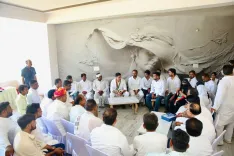
Bihar gets ₹29,164 crore for 24.3 lakh PMAY houses in 2 years: Chouhan
Synopsis
The Centre has approved over 24.3 lakh pucca houses for Bihar worth ₹29,164 crore in just two years — one of the largest state-level PMAY allocations on record. Combined with a fresh crop insurance rollout, She-Mart plans, and 53.8 lakh Farmer IDs already issued, Thursday's Patna programme signals a sweeping rural welfare push in a politically pivotal state.
Key Takeaways
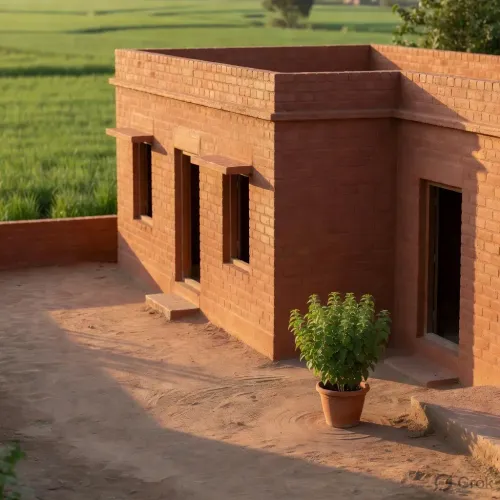
11,18,937 pucca houses approved for Bihar with ₹13,427 crore at Thursday's PMAY event in Patna .
Cumulative two-year total stands at 24,30,327 houses worth ₹29,164 crore under Pradhan Mantri Awas Yojana .
Pradhan Mantri Fasal Bima Yojana to be implemented in Bihar, covering crop losses from floods, drought, and other calamities.
Plans announced to establish She-Marts in every district to give women's Self-Help Groups direct market access.
Bihar has already issued 53,83,000 Farmer ID cards to streamline scheme delivery and beneficiary identification.
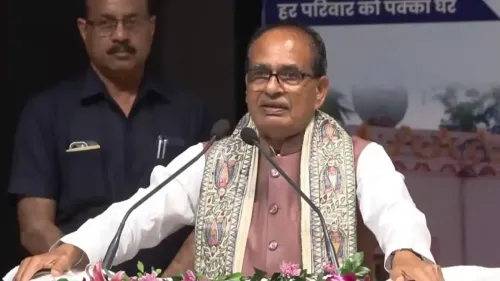
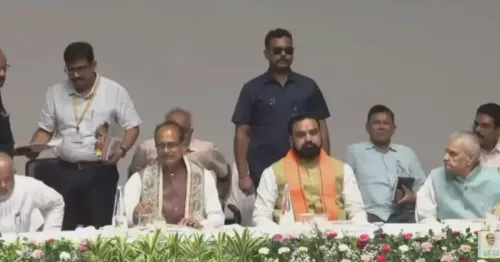
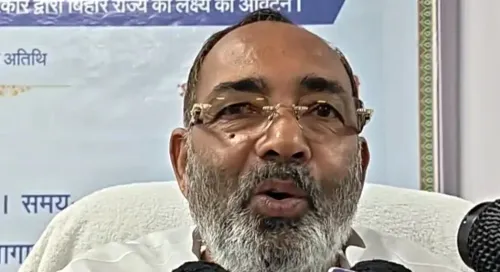
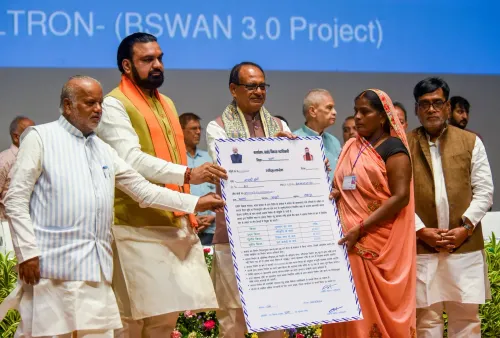
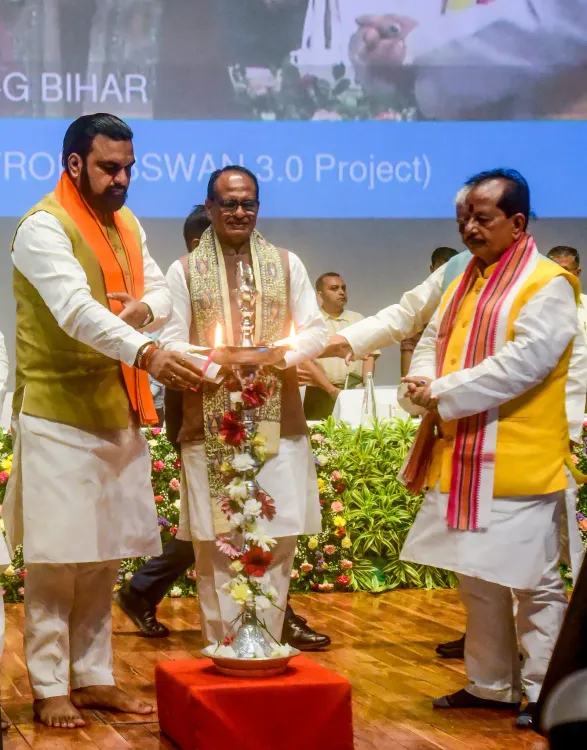
Union Minister for Agriculture and Rural Development Shivraj Singh Chouhan on Thursday, 20 August announced the approval of 11,18,937 pucca houses for poor families in Bihar, backed by an allocation of ₹13,427 crore, at a Pradhan Mantri Awas Yojana (PMAY) programme held in Patna. The announcement brings the cumulative two-year total for the state to 24,30,327 approved houses worth ₹29,164 crore.
Scale of Housing Approvals
Chouhan said the figures over the past two years reflected active delivery rather than mere announcements. He emphasised that under the leadership of Prime Minister Narendra Modi, scheme funds were being transferred to beneficiaries with greater transparency, reducing leakages that historically plagued rural welfare programmes.
This is among the largest state-level PMAY allocations in recent cycles, positioning Bihar as a key focus of the Centre's rural housing push ahead of assembly cycles in the Hindi heartland.
Crop Insurance Expansion to Bihar
The minister also confirmed that the Pradhan Mantri Fasal Bima Yojana would now be implemented in Bihar — a state particularly vulnerable to annual floods and erratic monsoons. The crop insurance scheme will cover losses caused by floods, drought, excessive rainfall, and other natural calamities, with eligible farmers receiving direct compensation to reduce income uncertainty.
'If the farmer is strong, the village will be strong; and if the village is strong, Bihar will be strong,' Chouhan said, urging farmers to understand their entitlements and make timely use of the scheme's benefits.
Women's Empowerment and She-Marts
Chouhan placed considerable emphasis on women's economic empowerment, noting that lakhs of women in Bihar were progressing through Self-Help Groups (SHGs) and that a significant number had already achieved Lakhpati Didi status — earning over ₹1 lakh annually through SHG-linked livelihoods.
He announced plans to establish She-Marts in every district, providing Jeevika Didis and women's SHGs with dedicated market platforms to sell their products. The minister argued that production gains without market access would not translate into sustained income improvement for rural women.
Farmer IDs and Rural Connectivity
Bihar has already created 53,83,000 Farmer ID cards, which Chouhan said would streamline direct delivery of government benefits, improve transparency, and simplify beneficiary identification. The Farmer ID system is part of a broader digital agriculture push being rolled out nationally.
The minister also underscored the role of the Pradhan Mantri Gram Sadak Yojana in rural transformation, describing roads, pucca houses, and agriculture as the three foundational pillars of rural development. Better rural road connectivity, he said, would link villages to markets and services, reinforcing the impact of housing and farm support schemes.
What Comes Next
With PMAY housing approvals, crop insurance rollout, She-Mart infrastructure, and Farmer IDs all being pushed simultaneously in Bihar, the Centre appears to be consolidating its rural welfare narrative in a politically significant state. Whether ground-level delivery matches the pace of approvals will be the critical test in the months ahead.
Point of View
And the convergence of housing, crop insurance, women's SHG support, and Farmer IDs in a single event signals a deliberate pre-consolidation of welfare optics. The harder question is completion rates: approvals and disbursements are not the same as houses built and occupied. Past PMAY cycles have seen significant gaps between sanctions and ground-level delivery, particularly in flood-prone districts. Until completion data is made publicly verifiable, the headline numbers — however large — must be read with that caveat.
NationPress
5 Oct 2026
Frequently Asked Questions
How many PMAY houses have been approved for Bihar in the last two years?
A total of 24,30,327 pucca houses have been approved for Bihar under the Pradhan Mantri Awas Yojana over the past two years, involving a total expenditure of ₹29,164 crore. Union Minister Shivraj Singh Chouhan announced an additional 11,18,937 houses worth ₹13,427 crore at the Patna event on 20 August.
What is the Pradhan Mantri Fasal Bima Yojana and how will it help Bihar farmers?
The Pradhan Mantri Fasal Bima Yojana is a government crop insurance scheme that compensates farmers for losses caused by floods, drought, excessive rainfall, and other natural calamities. Its rollout in Bihar — a state highly vulnerable to annual flooding — is expected to reduce income uncertainty for the state's farming communities.
What are She-Marts and where will they be set up in Bihar?
She-Marts are dedicated market platforms for women's Self-Help Groups and Jeevika Didis to sell their products. Chouhan announced plans to establish She-Marts in every district of Bihar, aiming to give women's SHGs access to buyers beyond their immediate communities.
What is the Farmer ID and how many have been issued in Bihar?
The Farmer ID is a digital identity card that enables direct and transparent delivery of government scheme benefits to eligible farmers. Bihar has already issued 53,83,000 Farmer ID cards, according to Chouhan, making it one of the leading states in the national rollout.
What is the Lakhpati Didi initiative mentioned by Shivraj Singh Chouhan?
The Lakhpati Didi initiative aims to help women in rural Self-Help Groups earn over ₹1 lakh annually through SHG-linked livelihoods and enterprise support. Chouhan said a large number of women in Bihar had already achieved this milestone, describing it as a key link between rural development and women's economic empowerment.