CM Shivakumar at Southern Zonal Council: Karnataka's Case
Synopsis
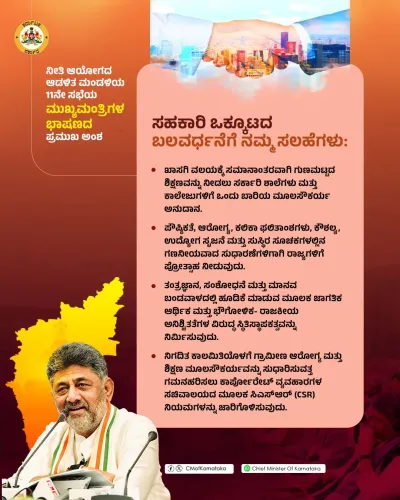
At the 31st Southern Zonal Council in Mahabalipuram, Karnataka CM D.K. Shivakumar pressed Union Home Minister Amit Shah on a ₹65,000 crore fiscal shortfall from the 15th Finance Commission, delimitation fairness, Cauvery water cooperation, and a sweeping range of state-centre grievances, framing a strong South as essential to a strong India.
Key Takeaways
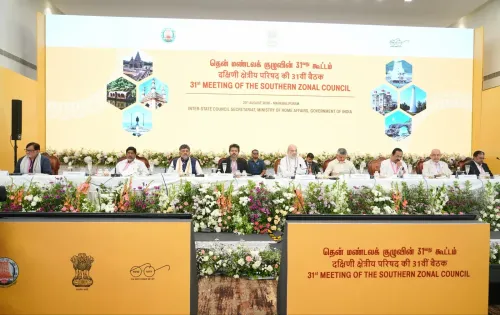
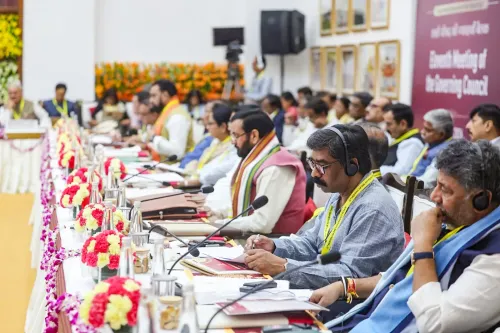
Shivakumar attended the 31st Southern Zonal Council meeting in Mahabalipuram on August 20, 2026 , chaired by Union Home Minister Amit Shah .
Karnataka contributes 9% of India's GDP with 5.5% of its population , drives 42% of software exports , and hosts 1,100 GCCs .
The 15th Finance Commission reduced Karnataka's divisible pool share from 4.7% to 3.6% , causing an estimated loss of ₹65,000 crore over six years .
Shivakumar demanded release of a ₹5,495 crore special grant and ₹6,000 crore state-specific grants , plus Central projects including an AIIMS at Raichur and the Bengaluru–Mumbai High-Speed Rail .
He called for honouring the 1971 basis for delimitation and implementing women's reservation without waiting for a population count.
The CM urged a shift from water-sharing disputes to 'water cooperation' on five rivers: Cauvery, Krishna, Tungabhadra, Pennar, and Palar .
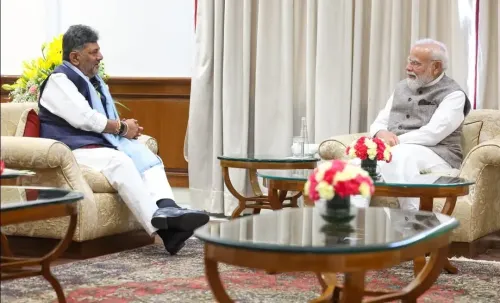
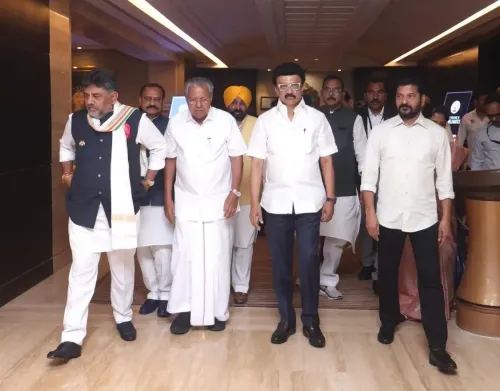
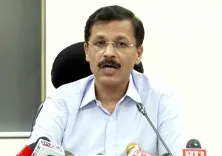
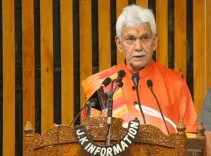
At a high-stakes federal forum in Mahabalipuram, Tamil Nadu, Karnataka Chief Minister D.K. Shivakumar walked into the 31st Southern Zonal Council meeting on August 20, 2026 with a pointed message: the states that power India's economy deserve a fair share of its resources. The meeting, chaired by Union Home Minister Amit Shah, brought together Chief Ministers and senior leaders from across the southern region.
Karnataka's economic weight — and its fiscal shortfall
Shivakumar opened with the numbers. Karnataka, he argued, punches well above its weight: the state accounts for 9% of India's GDP with just 5.5% of the country's population, drives 42% of India's software exports, and hosts 1,100 Global Capability Centres (GCCs). Bengaluru ranks among the world's top five AI cities. Karnataka also leads in aerospace, coffee, and processed gherkin exports — a breadth that few Indian states can match.
Then came the grievance. The 15th Finance Commission cut Karnataka's share in the divisible pool from 4.7% to 3.6% — a reduction the CM said has cost the state an estimated ₹65,000 crore over six years. Shivakumar called for the full restoration of the 4.7% share, alongside the release of a ₹5,495 crore special grant and ₹6,000 crore in state-specific grants already recommended by the Commission but not yet disbursed.
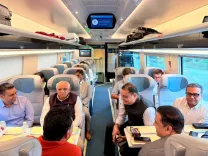
He also pressed for additional Central investment through flagship projects: the Bengaluru–Mumbai High-Speed Rail, the STRR South corridor, an AIIMS at Raichur, and a dedicated development package for the historically underserved Kalyana Karnataka region.
Delimitation, women's reservation, and the South's political voice
The political stakes went beyond money. Shivakumar raised the delimitation question directly — urging that the 1971 census basis for Lok Sabha seat allocation be honoured, a demand shared across southern states that have controlled their population growth and fear losing parliamentary representation as a result. He linked this to women's reservation, arguing it must not be delayed pending a fresh population count.
The argument is structural: states rewarded for development and demographic discipline should not be penalised in Parliament for their own success.
From water wars to water cooperation on five rivers
On inter-state rivers, Shivakumar reframed the conversation. Rather than adversarial water-sharing, he called for a shift to 'water cooperation' — built on equity, transparency, and mutual respect — while insisting Karnataka's lawful rights and those of all riparian states be protected on the Cauvery, Krishna, Tungabhadra, Pennar, and Palar rivers. The Cauvery dispute in particular has long simmered between Karnataka and Tamil Nadu; raising it in Mahabalipuram — on Tamil soil — carried unmistakable weight.
A wider basket: mines, drugs, housing, and digital access
The CM's agenda ranged broadly across Karnataka's pressure points: healthcare financing, education and nutrition, housing for the poorest families, coastal erosion, disaster relief, and banking inclusion for underserved communities. He called for a reconsideration of the proposed Mines and Minerals (Development and Regulation) Bill, 2026, arguing that mineral-bearing states must retain stronger fiscal rights over their natural resources. On law and order, he flagged the rising challenge of drug trafficking, urging stronger national legislation, enforcement, and prosecution frameworks.
Shivakumar closed with a line that framed the entire agenda: 'A strong South is essential to a strong India' — a call for fairness in resources, representation, and respect for the states that contribute most to national growth.
With the 16th Finance Commission expected to submit its recommendations after 2026 and delimitation looming as the next census approaches, the demands raised in Mahabalipuram are not just Karnataka's — they are a preview of the federal battles that will define India's next decade.
Point of View
000 crore loss figure and the delimitation argument together signal that Karnataka is building a coalition case, not just a bilateral complaint. The choice to reframe Cauvery as 'cooperation' rather than conflict, on Tamil soil, is diplomatically shrewd and signals Shivakumar is positioning Karnataka as a consensus-builder among southern states rather than an aggressor. With the next census and delimitation exercise approaching, these demands will intensify — and the Centre's response at forums like the Zonal Council will set the political temperature heading into that fight.
NationPress
20 Aug 2026
Frequently Asked Questions
What is the Southern Zonal Council and who chairs it?
The Southern Zonal Council is a statutory inter-state body established under the States Reorganisation Act 1956 to coordinate on issues of mutual concern among southern states and the Centre. It is chaired by the Union Home Minister — in this case, Amit Shah — and includes Chief Ministers and senior leaders from southern states.
Why did Karnataka's Finance Commission share fall and by how much?
The 15th Finance Commission revised the horizontal devolution formula in 2020, reducing Karnataka's share in the divisible pool from 4.7% to 3.6% . CM Shivakumar has stated this resulted in an estimated loss of ₹65,000 crore over six years .
What is Karnataka's contribution to India's GDP and IT sector?
According to figures presented by CM Shivakumar at the Zonal Council, Karnataka contributes 9% of India's GDP despite having only 5.5% of the population , accounts for 42% of the country's software exports , and hosts 1,100 Global Capability Centres . Bengaluru ranks among the world's top five AI cities.
What is the delimitation controversy affecting southern states?
Delimitation — the redrawing of Lok Sabha constituency boundaries — is currently based on the 1971 census . Southern states fear that a shift to a more recent population count would reduce their parliamentary seats because they have successfully controlled population growth, effectively penalising them for development. Shivakumar called for honouring the 1971 basis.
What did CM Shivakumar say about the Cauvery river dispute?
Rather than framing it as a water-sharing conflict, Shivakumar called for a shift to 'water cooperation' based on equity, transparency, and mutual respect, while insisting Karnataka's lawful share and the rights of all riparian states on the Cauvery, Krishna, Tungabhadra, Pennar, and Palar rivers be protected.