PMAY-G Bihar: 2.35 lakh houses handed over, ₹13,427 crore Centre aid unlocked
Synopsis
Bihar's PMAY-G drive crossed a milestone on 20 August as 2.35 lakh completed homes were formally handed over at a state-level ceremony in Patna, backed by ₹13,427 crore in Central funding. With an annual target of over 11 lakh homes, the scale of the programme — and the political weight behind it — signals that rural housing has become a frontline delivery metric for the NDA in Bihar.
Key Takeaways
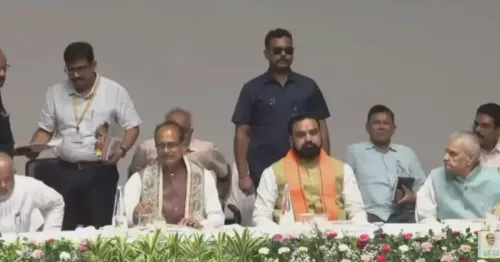
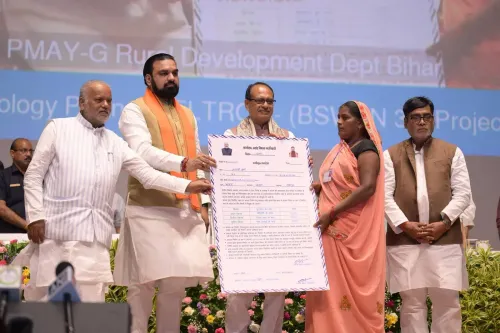
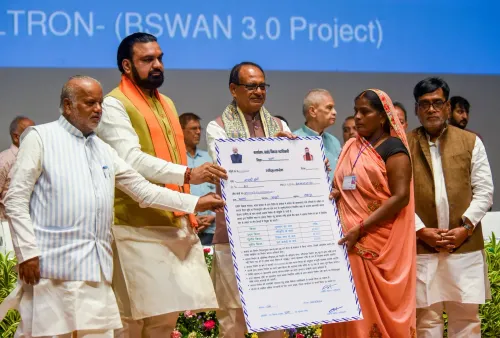
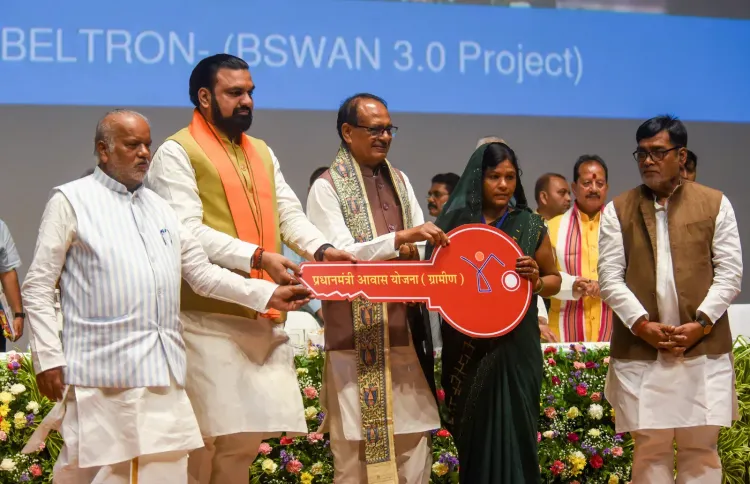
Bihar CM Samrat Choudhary and Union Minister Shivraj Singh Chouhan handed over keys for 2.35 lakh PMAY-G homes at Gyan Bhavan, Patna on 20 August .
Bihar's total PMAY-G target for 2026–27 stands at 11,18,937 permanent rural houses.
The Centre is providing approximately ₹13,427 crore in financial assistance for the programme.
Simultaneous district-level events were held across Bihar via video conferencing, including at Banjariya Block, East Champaran .
At East Champaran , 15 beneficiaries received house keys and 5 received first-instalment approval letters to begin construction.
Bihar Chief Minister Samrat Choudhary and Union Agriculture Minister Shivraj Singh Chouhan jointly presided over a state-level Grih Pravesh ceremony on Thursday, 20 August in Patna, marking the completion of 2.35 lakh houses under the Pradhan Mantri Awas Yojana-Gramin (PMAY-G) for the 2026–27 financial year. House keys were formally handed to beneficiaries at Gyan Bhavan, while sanction letters were distributed to newly selected recipients.
Scale of the Programme
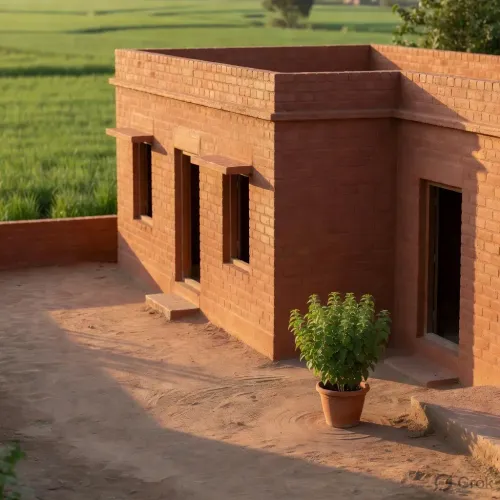
Bihar has been assigned a target of 11,18,937 permanent rural homes under PMAY-G for 2026–27. To support this, the Centre is providing approximately ₹13,427 crore in financial assistance — one of the largest single-state allocations under the scheme in the current financial year.
The ceremony at Gyan Bhavan served as the nodal event, with simultaneous programmes conducted across all districts of Bihar, linked to the main stage via video conferencing. This decentralised format ensured that beneficiaries in remote blocks could participate in real time.
What Happened at the District Level
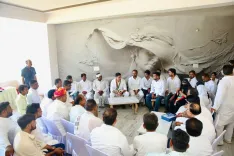
At the Banjariya Block office auditorium in East Champaran district, a local event was held in parallel, with beneficiaries watching the Patna ceremony through a live video link. 15 beneficiaries whose homes had been fully constructed received their house keys and Grih Pravesh certificates. An additional five beneficiaries received approval letters along with their first instalment, enabling them to commence construction. Officials and elected public representatives were present at the district-level event.
What the Government Said
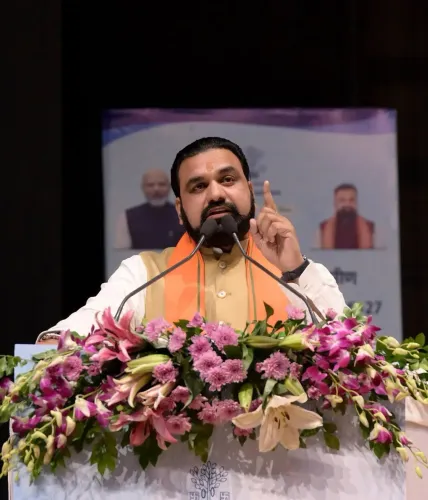
'With Prime Minister Narendra Modi's resolve of Sabka Saath, Sabka Vikas, the dream of poor families in Bihar owning their own pucca homes is continuously being realized,' Chief Minister Choudhary said at the event. He credited the National Democratic Alliance (NDA) government with expanding access to quality housing and essential amenities as a means of ensuring dignified living standards for rural citizens.
Choudhary also expressed gratitude to Prime Minister Modi for the Centre's continued support, describing the initiative as instrumental in converting the aspirations of economically weaker rural households into tangible outcomes.
Context and Significance
PMAY-G, launched in 2016, aims to provide pucca housing to all eligible rural families across India. Bihar — with one of the country's largest rural populations — has consistently been among the top states in terms of housing targets and allocations under the scheme. This comes amid the broader push by the Centre to complete the rural housing mission ahead of its revised national deadline.
The scale of Thursday's event — spanning every district in the state simultaneously — signals an intensified administrative push to accelerate completion rates and translate allocations into occupied homes before the financial year closes.
Point of View
Not just administrative output. Bihar's PMAY-G target of over 11 lakh homes for a single financial year is ambitious by any measure, and the gap between sanctioned, completed, and actually occupied homes has historically been a weak point in scheme reporting. The ₹13,427 crore Central allocation is significant, but the real accountability test is whether beneficiaries in the bottom decile — those without land documents or bank accounts — are actually being reached, or whether the easier-to-process households are filling the headline numbers. With Bihar elections on the horizon, the speed of key handovers will be watched as closely as the completion counts.
NationPress
5 Oct 2026
Frequently Asked Questions
What is PMAY-G and what was announced in Bihar on 20 August?
Pradhan Mantri Awas Yojana-Gramin (PMAY-G) is the Centre's flagship rural housing scheme, launched in 2016, aimed at providing pucca homes to eligible rural families. On 20 August, Bihar CM Samrat Choudhary and Union Minister Shivraj Singh Chouhan handed over keys for 2.35 lakh completed homes at a state-level ceremony in Patna.
How much Central funding is Bihar receiving under PMAY-G for 2026–27?
The Centre is providing approximately ₹13,427 crore to Bihar under PMAY-G for the 2026–27 financial year, supporting a target of 11,18,937 permanent rural houses.
Where was the Grih Pravesh ceremony held, and how were districts included?
The main ceremony was held at Gyan Bhavan in Patna. All districts across Bihar held simultaneous local events connected to the Patna programme via live video conferencing, ensuring wider participation by beneficiaries.
What happened at the East Champaran district event?
At the Banjariya Block office auditorium in East Champaran, 15 beneficiaries received house keys and Grih Pravesh certificates for completed homes, while 5 others received first-instalment approval letters to begin construction.
Who is eligible for homes under PMAY-G?
PMAY-G targets eligible rural families — primarily from economically weaker sections — who lack a pucca house. Selection is based on the Socio-Economic and Caste Census (SECC) data, with priority given to the most vulnerable households.