MP CM Mohan Yadav approves four industrial parks at Gandhi Sagar cabinet
Synopsis
Chief Minister Dr. Mohan Yadav chaired a Destination Cabinet at Gandhi Sagar in Mandsaur on 19 November 2026, approving four industrial parks across Mandsaur, Ratlam and Dhar, and scrapping the two-child eligibility rule for state government employees.
Key Takeaways
Destination Cabinet held at Gandhi Sagar, Mandsaur on 19 November 2026 under CM Dr.
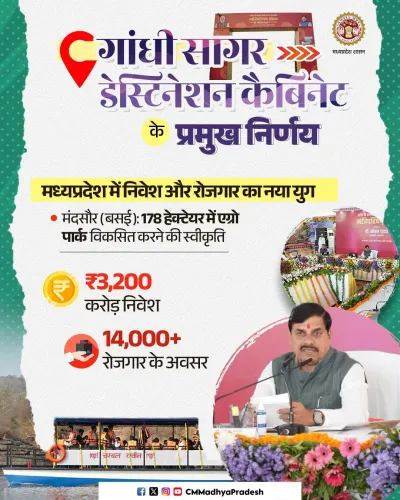
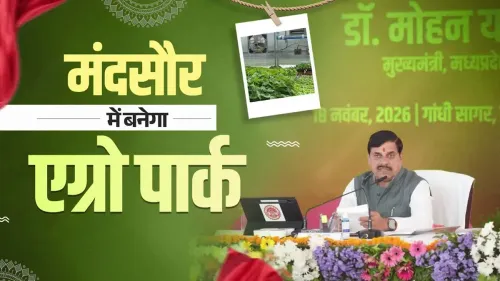
Agro Park and Chemical Park proposals approved for Mandsaur .
Bio Pharma Park approved for Ratlam district .
Textile and Allied Industries Park approved for Dhar district .
Cabinet approved deletion of the two-or-more living children rule and its clarifications for state government servants.
Decisions target the Malwa-Nimar belt , aiming to attract sector-specific industrial investment to under-industrialised western MP.
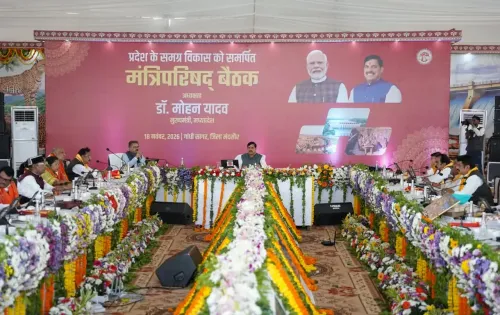
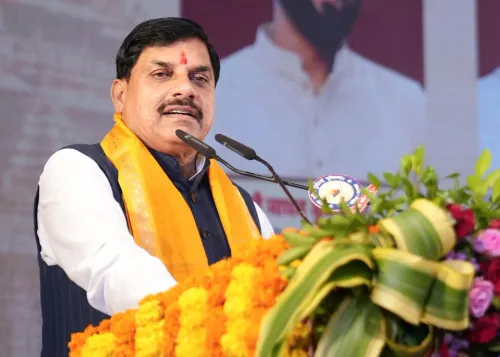
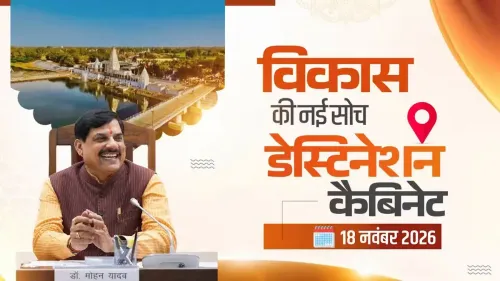
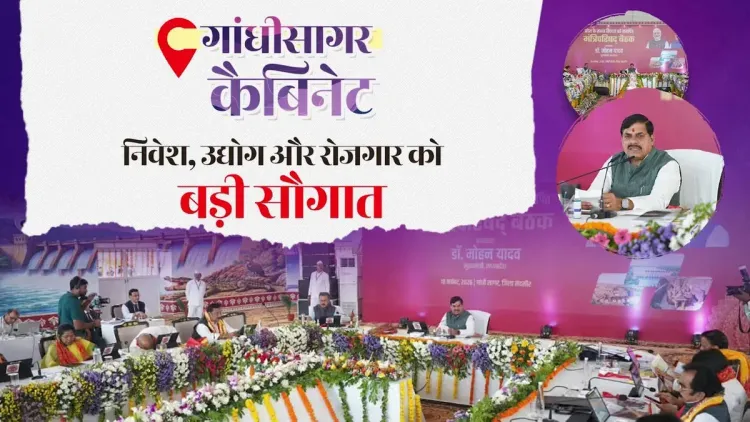
Four new industrial parks across western Madhya Pradesh and a landmark rollback of a decades-old rule restricting government jobs on the basis of family size — Chief Minister Dr. Mohan Yadav chaired a 'Destination Cabinet' meeting at Gandhi Sagar reservoir in Mandsaur on Thursday, 19 November 2026, and emerged with decisions that could reshape both the state's industrial map and its public-service rulebook.
Four parks, four districts, one industrial push for Malwa-Nimar
The cabinet cleared proposals for an Agro Park and a Chemical Park in Mandsaur, a Bio Pharma Park in Ratlam, and a Textile and Allied Industries Park in Dhar. Each park targets a distinct economic niche — agro-processing, industrial chemicals, biotechnology-and-pharma, and textiles — and together they stitch a corridor of sector-specific investment zones across the Malwa-Nimar belt of western MP.
The region has long been identified by successive state governments as under-industrialised relative to its agricultural output and connectivity advantages. Approving four specialised clusters in a single sitting is a deliberate signal to investors that the state is ready to offer dedicated infrastructure rather than generic industrial estates. Land acquisition timelines and confirmed investment commitments will be the first real test of whether the approvals translate into steel and cement on the ground.
The two-child rule is gone — what that means for state employees
Alongside the industrial announcements, the cabinet approved the deletion of the rule and its related clarifications that barred government servants with more than two living children from certain service benefits or eligibility conditions. The move ends a policy that had drawn criticism for being both intrusive and inconsistently applied across departments.
For Madhya Pradesh's large cadre of state government employees, the removal resolves a longstanding compliance ambiguity. It also aligns the state with a broader national drift away from punitive population-control provisions in service rules — several other states have undertaken similar rollbacks in recent years as demographic data has shifted the policy consensus.
Why hold a cabinet at Gandhi Sagar?
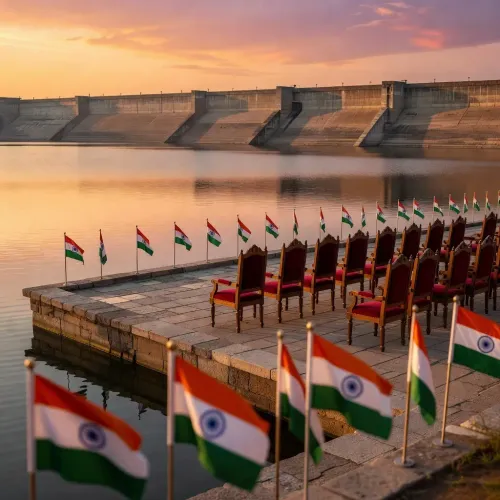
The 'Destination Cabinet' format — taking the full council of ministers out of Bhopal and into a district setting — is a deliberate optics and outreach exercise by the Yadav government. Gandhi Sagar, one of India's largest reservoirs and a known tourist landmark in Mandsaur district, provides a backdrop that ties industrial ambitions directly to the region being targeted. It also forces ministerial attention — however briefly — onto districts that rarely host state-level decision-making.
The question now is execution. Industrial park approvals are a first step; the harder work of land acquisition, utility connections, and investor roadshows lies ahead. And for the thousands of state employees affected by the two-child rule deletion, the formal government order — not the cabinet approval — is what will matter most.
Point of View
Ahead of the investment sentiment battle with competing states. Scrapping the two-child rule is a low-cost, high-goodwill move with a large captive constituency of state employees. Whether it signals broader social-policy liberalisation or is simply a housekeeping correction will depend on what else follows in the legislative session.
NationPress
19 Nov 2026
Frequently Asked Questions
What decisions were taken at the Gandhi Sagar Destination Cabinet in MP?
The Gandhi Sagar Destination Cabinet on 19 November 2026 approved an Agro Park and Chemical Park in Mandsaur, a Bio Pharma Park in Ratlam, a Textile and Allied Industries Park in Dhar, and the deletion of the two-child rule for state government servants.
What is a Destination Cabinet in Madhya Pradesh?
A Destination Cabinet is when the Madhya Pradesh council of ministers holds its official cabinet meeting outside the state capital Bhopal, at a district location, combining governance decisions with regional outreach.
What is the two-child rule that MP has scrapped for government employees?
The two-child rule was a service regulation that restricted certain benefits or eligibility conditions for Madhya Pradesh government servants who had more than two living children. The cabinet has approved its deletion along with related clarifications.
Where are the new industrial parks approved by the MP cabinet located?
The approved parks are in three districts: an Agro Park and Chemical Park in Mandsaur, a Bio Pharma Park in Ratlam, and a Textile and Allied Industries Park in Dhar — all in western Madhya Pradesh.
Who chairs the Madhya Pradesh cabinet?
Chief Minister Dr. Mohan Yadav, who has led the Madhya Pradesh government since December 2023, chairs the state cabinet.