Joshi Meets Indonesia Energy Council, Pitches India's Solar Schemes
Synopsis
Union Minister Pralhad Joshi chaired a meeting with Indonesia's National Energy Council on 14 July 2026, presenting India's solar schemes — PM-KUSUM (2.7 million pumps) and PM Surya Ghar (4.7 million households) — and proposing deeper cooperation, with India keen to learn from Indonesia's geothermal expertise.
Key Takeaways
Union Minister Pralhad Joshi chaired a bilateral meeting with the National Energy Council of Indonesia on 14 July 2026 .
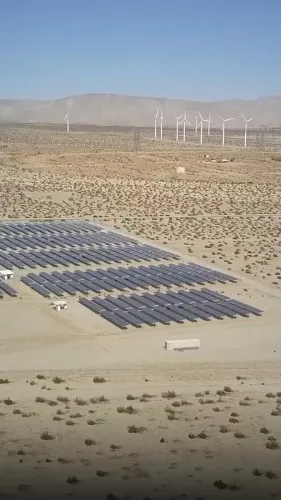
Under PM-KUSUM , 2.7 million agricultural pumps have been solarised across India.
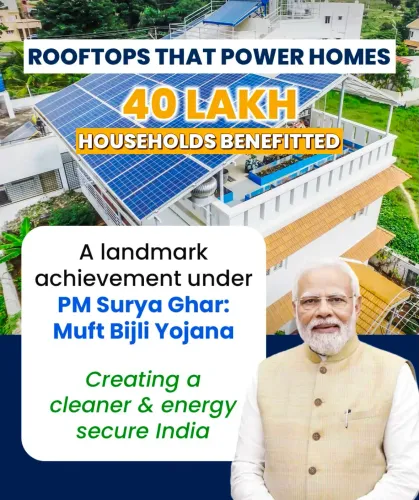
PM Surya Ghar Muft Bijli Yojana has benefited 4.7 million households with subsidised rooftop solar.
The Indonesian delegation expressed 'keen interest' in learning from India's renewable energy programmes.
Joshi proposed cooperation in geothermal energy , citing Indonesia's significant expertise in the sector.
A possible follow-up field visit by the delegation to Indian solar project sites is anticipated.
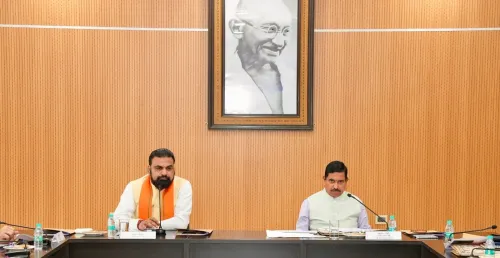
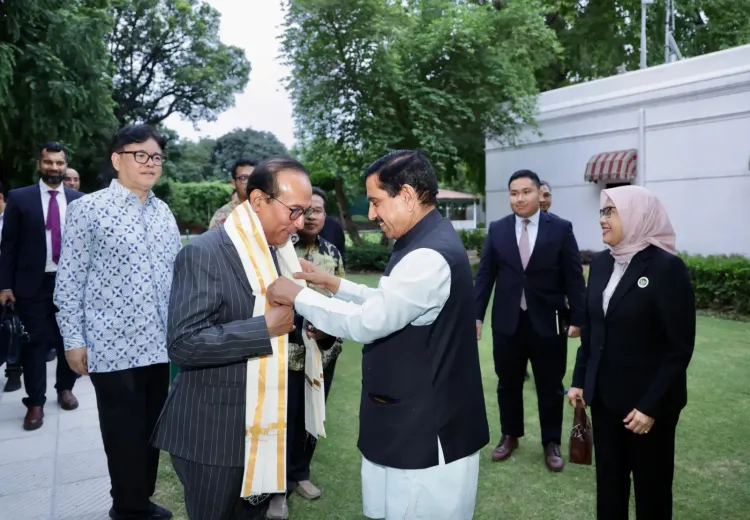
Union Minister of New and Renewable Energy Pralhad Joshi on Tuesday, 14 July 2026, chaired a meeting with a delegation from the National Energy Council of Indonesia, showcasing India's flagship solar programmes and exploring deeper bilateral clean-energy cooperation.
Context
Joshi shared India's progress in taking clean energy directly to farmers and rural households, citing two central government schemes as the centrepiece of the presentation. He urged the Indonesian delegation to visit project sites and 'witness this transformation on the ground,' according to his post on X.
The meeting underlines a growing pattern of India positioning itself as a model for solar-led energy transition, particularly for nations in the Global South seeking scalable, affordable deployment frameworks.
Policy Backdrop
The PM-KUSUM (Pradhan Mantri Kisan Urja Suraksha evam Utthaan Mahabhiyan) scheme, launched in 2019, was designed to solarise agricultural pump sets and expand distributed renewable generation in rural areas. Joshi cited the solarisation of 2.7 million agricultural pumps across the country as a marker of the scheme's reach.
The PM Surya Ghar Muft Bijli Yojana, launched in 2024, accelerates rooftop solar adoption by offering subsidised installations to households. Joshi highlighted that the scheme has so far benefited 4.7 million households. Together, the two programmes represent India's dual-track push — one targeting the agricultural sector, the other urban and peri-urban homes.
Stakeholders and Impact
The primary beneficiaries of these programmes are small and marginal farmers, who gain reduced electricity costs and supplementary income through surplus solar power fed into the grid, and rural and semi-urban households that receive subsidised rooftop installations. The scale cited — millions of beneficiaries across both schemes — is what drew the Indonesian delegation's interest.
The National Energy Council of Indonesia is the apex governmental body responsible for formulating national energy policy and steering international energy cooperation for Indonesia, a country that holds some of the world's largest geothermal reserves. The delegation's 'keen interest in working closely' with India signals a potential avenue for structured bilateral engagement.
What's Next
Joshi flagged geothermal energy as the natural area for reciprocal learning, noting that Indonesia has 'built significant expertise and experience' in the sector. India, which has largely untapped geothermal potential, could benefit from Indonesian technical know-how in exchange for sharing its solar deployment model.
Observers will watch for a follow-up field visit by the Indonesian delegation to PM-KUSUM or PM Surya Ghar project sites, and for any formal memoranda of understanding on geothermal or broader clean-energy cooperation between the two countries. Such an agreement would mark a concrete outcome from what began as a ministerial-level showcase meeting.
Point of View
Showcasing PM-KUSUM and PM Surya Ghar to a foreign delegation reinforces the domestic narrative of welfare-linked clean energy. The geothermal angle is strategically significant: India has vast untapped geothermal resources and an Indonesian partnership could accelerate domestic exploration without the costs of building expertise from scratch. If a formal MoU follows, this meeting will be seen as the opening move in a broader India-ASEAN clean-energy alliance-building effort.
NationPress
13 Oct 2026
Frequently Asked Questions
What is PM-KUSUM and how many pumps have been solarised?
PM-KUSUM (Pradhan Mantri Kisan Urja Suraksha evam Utthaan Mahabhiyan) is a central government scheme launched in 2019 to solarise agricultural pumps. As of July 2026, 2.7 million pumps have been solarised under the scheme.
What is PM Surya Ghar Muft Bijli Yojana?
PM Surya Ghar Muft Bijli Yojana, launched in 2024, provides subsidised rooftop solar installations to households, enabling them to generate their own electricity. It has so far benefited 4.7 million households .
Why did Indonesia's National Energy Council meet Pralhad Joshi?
The National Energy Council of Indonesia met Union Minister Pralhad Joshi to learn about India's large-scale renewable energy programmes, particularly PM-KUSUM and PM Surya Ghar, and to explore bilateral clean-energy cooperation.
What role does geothermal energy play in India-Indonesia energy talks?
Minister Joshi highlighted geothermal energy as a key area for cooperation, noting that Indonesia has built significant expertise in the sector. India is keen to learn from Indonesia's experience as it looks to develop its own geothermal potential.
What could be the next steps after this India-Indonesia energy meeting?
Possible next steps include a field visit by the Indonesian delegation to PM-KUSUM or PM Surya Ghar project sites and the signing of a memorandum of understanding on geothermal or broader clean-energy cooperation.