CM Mohan Yadav Launches 'Nashe Se Doori' 2.0 Anti-Drug Drive in MP
Synopsis
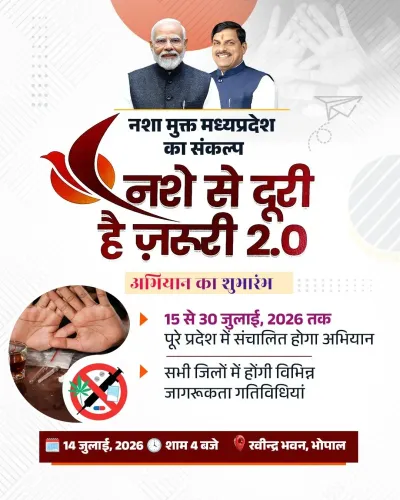
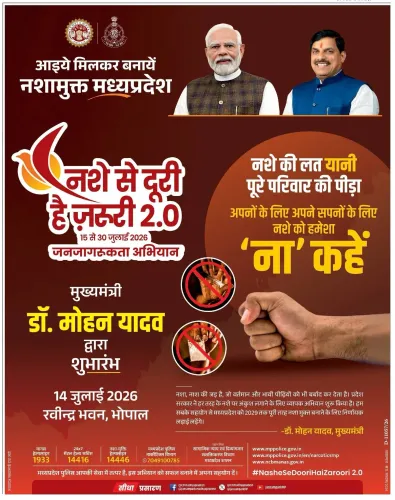
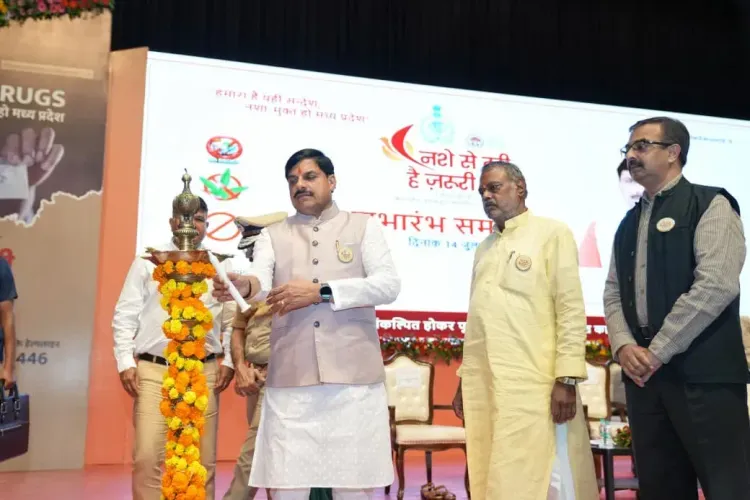
Madhya Pradesh Chief Minister Dr. Mohan Yadav launched the 'Nashe Se Doori, Hai Zaroori 2.0' anti-drug campaign in Bhopal on 14 July 2026, administering a public pledge and announcing liquor bans at 19 religious sites, with religious and social institutions partnering in the drive.
Key Takeaways
Mohan Yadav launched 'Nashe Se Doori, Hai Zaroori 2.0' in Bhopal on 14 July 2026 .
A public oath against substance abuse was administered at the campaign inauguration.
The state government has imposed a liquor ban at 19 religious sites across Madhya Pradesh as part of the drug-free mission.
Religious and social institutions are formally partnering with the government in the de-addiction drive.
The campaign is a continuation of earlier anti-narcotics awareness phases run by the BJP government in Madhya Pradesh.
The 2.0 rollout is expected to expand across all districts of the state in subsequent phases.
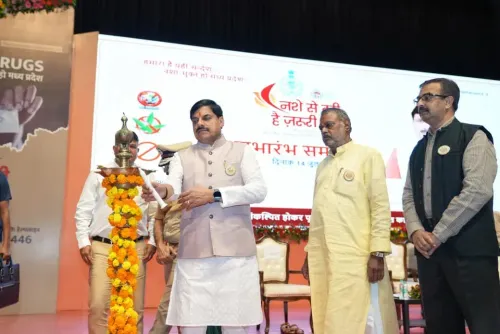
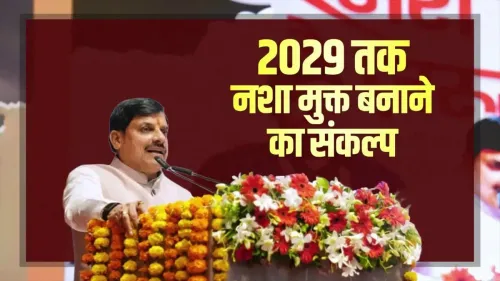
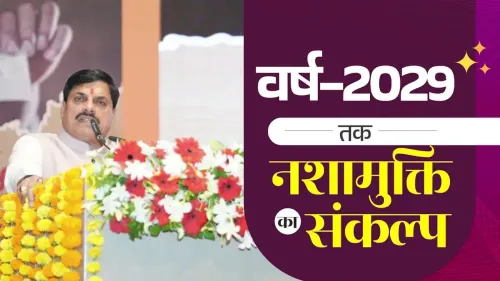
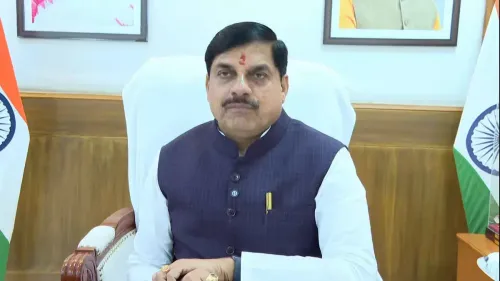
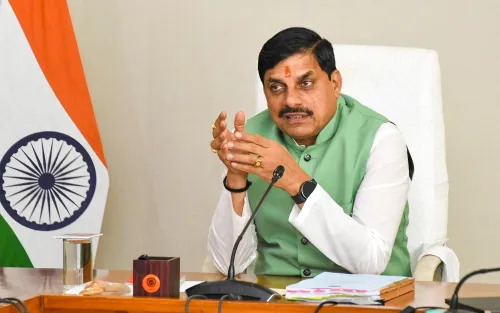
Madhya Pradesh Chief Minister Dr. Mohan Yadav on Tuesday, 14 July 2026, launched the 'Nashe Se Doori, Hai Zaroori 2.0' anti-drug awareness campaign in Bhopal, administering a public oath against substance abuse and reaffirming the state government's commitment to building a drug-free Madhya Pradesh.
Context
Posting on X, Chief Minister Yadav declared: 'नशा मुक्त मध्यप्रदेश बनाने के लिए प्रदेश सरकार दृढ़ संकल्पित है' ('The state government is firmly resolved to make Madhya Pradesh drug-free'). He announced the formal launch of the 2.0 phase of the campaign, during which participants were administered a pledge to abstain from narcotics. The event marks an escalation of the state's ongoing de-addiction outreach effort.
The Chief Minister also highlighted that religious and social institutions are playing a 'significant role' in the de-addiction movement — a deliberate strategy to anchor the campaign in community trust structures rather than relying solely on administrative machinery.
Policy Backdrop
The 'Nashe Se Doori, Hai Zaroori' campaign is not new to Madhya Pradesh — earlier phases were conducted under the BJP government to curb substance abuse through awareness drives and institutional partnerships. The 2.0 iteration signals a deepening of that commitment, building on central legislation such as the Narcotic Drugs and Psychotropic Substances (NDPS) Act and state excise policy frameworks.
A notable policy step accompanying the campaign is the imposition of a liquor ban at 19 religious sites across the state. This move aligns with a broader pattern seen in BJP-governed states, where administrative restrictions near places of worship are combined with civil-society partnerships to address substance abuse at the community level.
Religious institutions have historically commanded significant public trust in Madhya Pradesh, and their formal inclusion in the de-addiction drive is consistent with the state government's approach of using faith-based networks as vehicles for social reform.
Stakeholders and Impact
The primary beneficiaries of the campaign are the state's youth, who are most vulnerable to drug dependency. Religious organisations and social bodies serve as co-implementers, lending grassroots reach that government agencies alone may struggle to achieve.
The liquor ban at 19 religious sites directly affects local vendors and excise revenue in those zones, while potentially reducing alcohol availability in high-footfall community spaces. De-addiction centres across the state are expected to see increased referrals as awareness activities intensify under the 2.0 rollout.
What's Next
The campaign is expected to expand beyond Bhopal to cover remaining districts of Madhya Pradesh in subsequent phases. Observers will watch whether the drive translates into measurable outcomes — including changes in excise revenue, de-addiction centre admissions, and drug-related crime statistics — as the government moves from oath-taking to enforcement and rehabilitation.
With religious institutions formally embedded in the campaign architecture, the Madhya Pradesh model could serve as a reference point for other states seeking to combine administrative prohibition with community-led awareness in tackling substance abuse.
Point of View
Hai Zaroori 2.0' is a calculated escalation of an existing social-reform plank, using the moral authority of religious institutions to extend the state's administrative reach into communities. The liquor ban at 19 religious sites is a concrete policy step that moves the campaign beyond symbolism, though its enforcement and revenue implications will be closely scrutinised. For the BJP in Madhya Pradesh, the drug-free agenda serves a dual purpose: it reinforces the party's social-conservatism credentials while positioning the state government as proactive on youth welfare ahead of future electoral cycles. The 2.0 framing signals that this is a sustained policy arc, not a one-off event.
NationPress
14 Jul 2026
Frequently Asked Questions
What is the 'Nashe Se Doori, Hai Zaroori 2.0' campaign in Madhya Pradesh?
It is the second phase of Madhya Pradesh's state-run anti-drug awareness campaign, launched by Chief Minister Dr. Mohan Yadav in Bhopal on 14 July 2026, aimed at making the state drug-free through public pledges and partnerships with religious and social institutions.
Where was the Nashe Se Doori 2.0 campaign launched?
The campaign was launched in Bhopal, the capital of Madhya Pradesh, on 14 July 2026.
How many religious sites have a liquor ban in Madhya Pradesh?
The Madhya Pradesh government has imposed a liquor ban at 19 religious sites across the state as part of its drug-free mission.
Who is involved in the Madhya Pradesh anti-drug campaign besides the government?
Religious and social institutions are playing a significant role alongside the state government in implementing the de-addiction awareness drive.
What is the #NasheSeDooriHaiZaroori hashtag about?
It is the official hashtag for Madhya Pradesh's anti-drug campaign, translating to 'Staying away from addiction is necessary,' used to spread awareness about the state's drug-free initiative.