Giriraj Singh Meets BCI Officials on Sustainable Cotton
Synopsis
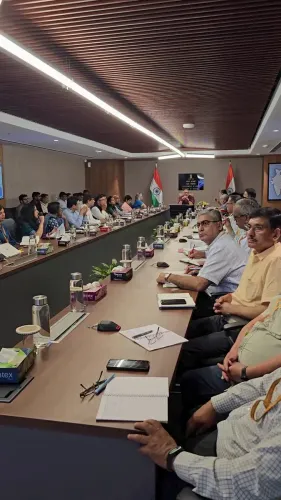
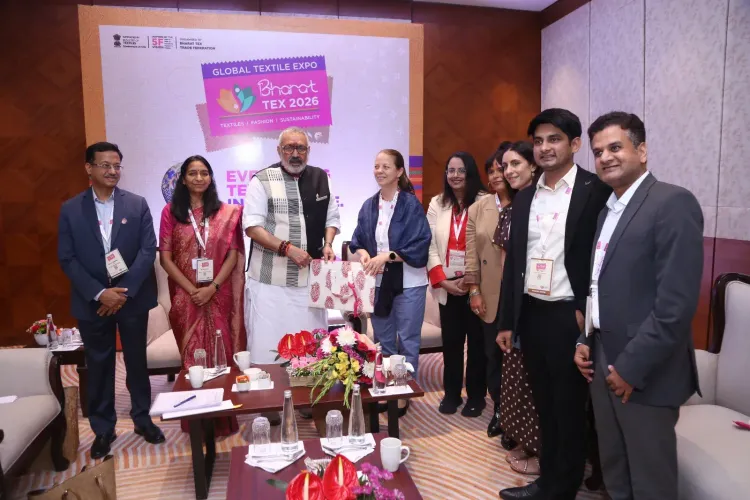
Union Textiles Minister Giriraj Singh held a meeting with senior Better Cotton Initiative officials on 14 July 2026, discussing sustainability and responsible production in India's cotton and textiles sector ahead of BharatTex2026.
Key Takeaways
Union Textiles Minister Giriraj Singh met senior Better Cotton Initiative (BCI) officials on 14 July 2026 .
Discussions centred on sustainability and responsible production systems in the cotton and textiles sector.
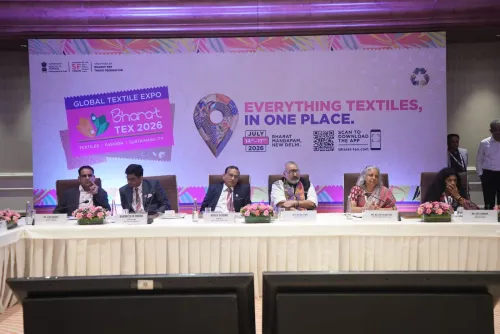
The meeting was flagged under #BharatTex2026 , linking it to the upcoming national textiles exposition.
Cotton farmers , textile exporters , and MSME manufacturers are the primary stakeholders likely to be affected by any outcomes.
A formal MoU or pilot programme between the Ministry and BCI ahead of BharatTex2026 is being watched as a potential next step.
Union Textiles Minister Giriraj Singh on Tuesday, 14 July 2026 held discussions with senior officials of the Better Cotton Initiative (BCI), exchanging views on shared priorities in India's cotton and textiles sector, with a focus on sustainability and responsible production systems.
Context
Posting on X, the Minister described the engagement as a 'sार्थक चर्चा' ('meaningful discussion'), noting that ideas were exchanged on common themes linking the cotton and textiles sectors. He specifically highlighted conversations around sustainability and responsible production systems as central to the dialogue. The post was tagged #BharatTex2026, signalling that the meeting is being positioned in the lead-up to the upcoming national textiles exposition.
Policy Backdrop
The Better Cotton Initiative is a Geneva-based global non-profit that sets internationally recognised standards for sustainable cotton cultivation, covering responsible farming practices, water stewardship, and supply-chain traceability. India is among the world's largest cotton producers and a significant participant in the BCI framework, making the Ministry's engagement with the organisation a natural extension of ongoing policy priorities.
India's National Textile Policy framework, updated periodically since 2000, has consistently emphasised integrating environmental standards with export competitiveness across the cotton value chain. Successive governments have encouraged voluntary adoption of international sustainability certifications to meet stringent buyer requirements in the European Union and United States markets, linking green manufacturing credentials to broader export growth targets.
Stakeholders and Impact
Cotton farmers, textile exporters, and MSME manufacturers across states such as Gujarat, Maharashtra, and Telangana stand to be directly affected by any policy outcomes emerging from such engagements. Adoption of BCI standards at scale can open access to premium international buyers who increasingly require verified sustainability credentials before sourcing from Indian suppliers.
For smaller manufacturers and cooperative-linked farmers, alignment with frameworks like BCI can translate into better price realisation and longer-term supply-chain inclusion, particularly as the EU's due-diligence regulations tighten requirements on cotton traceability. The Ministry of Textiles has been working to position India as a responsible and competitive sourcing destination in this evolving global environment.
What's Next
Attention will now turn to whether the discussions produce a formal memorandum of understanding or a structured pilot programme between the Ministry of Textiles and BCI ahead of BharatTex2026. The exposition is expected to serve as a platform for showcasing India's sustainable production capabilities and fostering international collaboration in the textiles sector.
Parliamentary questions and upcoming budget deliberations may also shed light on whether the government plans to announce specific targets for BCI-certified cotton acreage in the next fiscal year, a metric that would give concrete shape to the sustainability commitments discussed at Tuesday's meeting.
Point of View
Voluntary frameworks like BCI are increasingly becoming non-negotiable for Indian exporters seeking access to premium Western markets. Positioning this engagement under the BharatTex2026 banner suggests the Ministry is using the exposition as a diplomatic and commercial launchpad for sustainability commitments. Whether the dialogue converts into binding targets or certified acreage goals will determine its real policy weight.
NationPress
15 Jul 2026
Frequently Asked Questions
What is the Better Cotton Initiative and why does it matter for India?
The Better Cotton Initiative (BCI) is a global non-profit that sets standards for sustainable and responsible cotton farming, covering water use, soil health, and traceability. India, as one of the world's largest cotton producers, participates in the BCI framework to help its farmers and exporters meet the sustainability requirements of major buyers in the EU and US.
What did Giriraj Singh discuss with BCI officials?
Union Textiles Minister Giriraj Singh discussed shared priorities in the cotton and textiles sector, with a focus on sustainability and responsible production systems. The meeting was described as a 'meaningful discussion' involving an exchange of ideas on common themes linking both organisations.
What is BharatTex2026?
BharatTex2026 is an upcoming national-level textiles exposition that the Ministry of Textiles is positioning as a platform to showcase India's sustainable production capabilities and foster international collaboration in the sector.
How does BCI certification benefit Indian cotton farmers?
BCI certification can help Indian cotton farmers access premium international buyers who require verified sustainability credentials, potentially leading to better price realisation and more stable, long-term inclusion in global supply chains.
Will there be a formal agreement between India's Ministry of Textiles and BCI?
No formal MoU or pilot programme has been announced yet. Observers are watching whether the discussions lead to a structured agreement ahead of BharatTex2026, which could include targets for BCI-certified cotton acreage in the next fiscal year.