Pralhad Joshi: India's Solar Model Fuelling Africa's Food Security
Synopsis
Union Minister Pralhad Joshi says India's PM-KUSUM scheme and the International Solar Alliance are carrying India's solar-agriculture model to Africa, strengthening food security and farmer incomes while advancing clean-energy access across the continent under PM Modi's leadership.
Key Takeaways
Union Minister Pralhad Joshi on 17 June 2026 highlighted India's solar-agriculture model as a template for global food security partnerships.
PM-KUSUM , launched in 2019 , solarises agricultural pumps and provides supplementary income to Indian farmers by feeding surplus power to the grid.
The International Solar Alliance , co-founded by India and France at COP21 in 2015 , serves as the multilateral channel for technology transfer to African member states.
India has used bilateral lines of credit and ISA frameworks to export the PM-KUSUM model to African nations facing energy-access and agricultural-productivity deficits.
The initiative reinforces India's role as a South-South development partner, a priority elevated during its G20 Presidency in 2023 .
Progress on ISA-funded solar-agriculture pilots in Africa and new MoUs will be the key metrics to watch going forward.
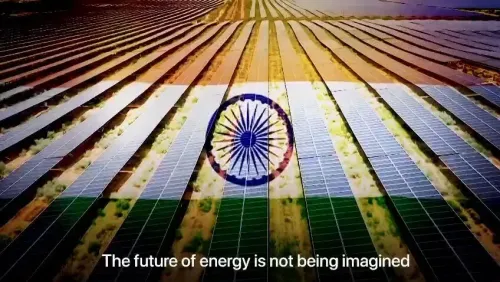
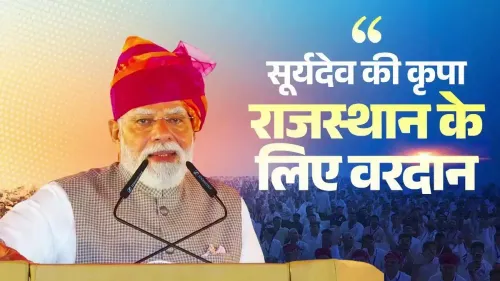
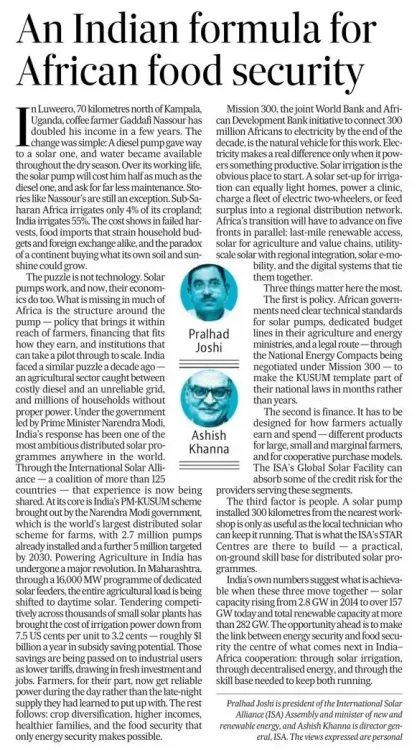
Union Consumer Affairs and New and Renewable Energy Minister Pralhad Joshi on Wednesday, 17 June 2026, highlighted how India's domestic solar-agriculture programmes are generating global momentum, pointing specifically to the role of PM-KUSUM and the International Solar Alliance (ISA) in extending clean-energy and food-security benefits to African nations.
Context
In his post, Minister Joshi stated that 'India's solar revolution is creating pathways far beyond its borders,' crediting schemes like PM-KUSUM and the ISA with helping 'strengthen food security, improve farmer incomes and expand clean energy access across Africa.' He attributed the momentum to the leadership of Prime Minister Narendra Modi, describing India's renewable-energy journey as one that 'continues to inspire global partnerships for a sustainable and food-secure future.'
The statement comes as India positions itself as a South-South development partner, leveraging hard-won domestic experience in solar-powered agriculture to support nations across the African continent grappling with both energy access deficits and agricultural productivity challenges.
Policy Backdrop
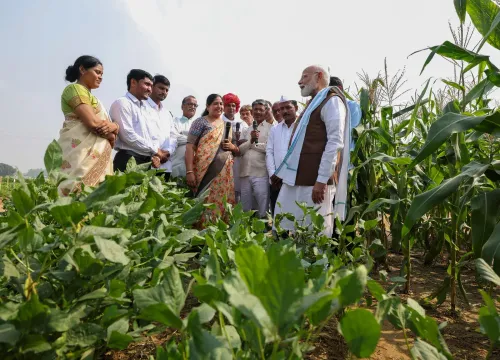
PM-KUSUM — the Pradhan Mantri Kisan Urja Suraksha evam Utthaan Mahabhiyan — was launched in 2019 with the twin objectives of solarising agricultural pump sets and providing farmers with a supplementary income stream by feeding surplus solar power into the grid. The scheme has been widely cited as a model for decarbonising farm irrigation while simultaneously reducing the fiscal burden of diesel subsidies.
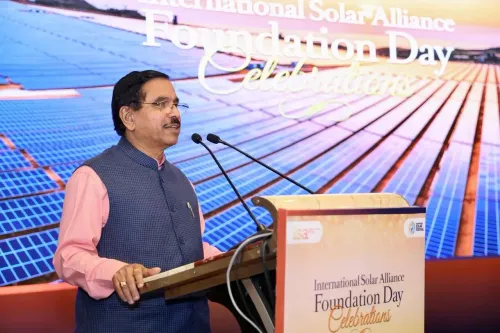
The International Solar Alliance, a treaty-based intergovernmental body co-founded by India and France at COP21 in Paris in 2015, was designed to mobilise solar investment and technology transfer among 'sunshine countries' — nations located between the Tropics of Cancer and Capricorn. Africa, home to many of the world's highest solar-irradiance zones, sits at the heart of the ISA's outreach agenda.
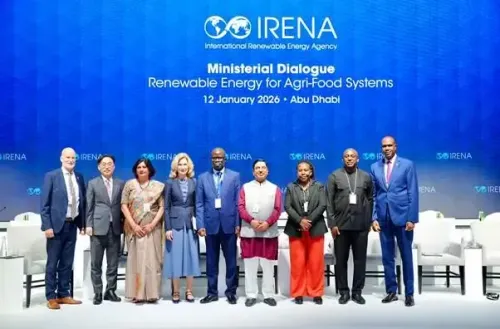
India has used bilateral lines of credit and ISA technical frameworks to export the PM-KUSUM model, helping African member states design solar-irrigation pilots that mirror the Indian approach of bundling energy access with agricultural income support.
Stakeholders and Impact
For African farmers, solar-powered irrigation promises relief from dependence on erratic rainfall and costly diesel pumps — a combination that has historically constrained yields and deepened rural poverty. Clean-energy access at the farm level also reduces carbon emissions from agriculture, aligning with the climate commitments of ISA member governments.
India's renewable-energy sector — comprising equipment manufacturers, engineering firms, and project developers — stands to benefit from expanded export opportunities as African nations scale up solar-agriculture programmes modelled on Indian blueprints. The ISA platform provides a multilateral channel through which Indian technology and expertise can flow to partner countries with institutional credibility.
For New Delhi, the initiative reinforces India's self-positioning as a development partner of choice for the Global South, a narrative that has gained particular salience since India's G20 Presidency in 2023 elevated South-South cooperation as a diplomatic priority.
What's Next
Observers will watch for the progress of ISA-funded solar-agriculture pilots in Africa and any new memoranda of understanding that formally link PM-KUSUM technology transfer with African agricultural programmes. The pace at which African governments translate ISA frameworks into on-ground deployment will be a key indicator of the partnership's real-world impact.
As India's installed renewable-energy capacity continues to grow, Minister Joshi's remarks signal that the government intends to keep international solar diplomacy — anchored in proven domestic schemes — as a central plank of its foreign-policy and climate outreach strategy.
Point of View
The government is weaving together its rural-welfare narrative and its climate-diplomacy credentials into one coherent brand. The Africa focus is deliberate: as Western development finance faces credibility headwinds, India is presenting itself as a peer partner with proven, replicable solutions rather than a donor with conditionalities. The real test will be whether ISA-facilitated pilots in Africa move from ministerial rhetoric to measurable farm-level outcomes.
NationPress
19 Sept 2026
Frequently Asked Questions
What is PM-KUSUM and how does it help farmers?
PM-KUSUM, or the Pradhan Mantri Kisan Urja Suraksha evam Utthaan Mahabhiyan, is a central government scheme launched in 2019 that solarises agricultural pump sets, reducing farmers' dependence on diesel and allowing them to earn extra income by selling surplus solar power to the electricity grid.
What is the International Solar Alliance and which countries are members?
The International Solar Alliance is a treaty-based intergovernmental organisation co-founded by India and France at COP21 in Paris in 2015. It focuses on mobilising solar investment and technology for 'sunshine countries' — nations largely located between the Tropics of Cancer and Capricorn — and has over 100 member and signatory countries, many of them in Africa.
How is India helping African countries with solar energy for farming?
India has used the ISA platform and bilateral lines of credit to share the PM-KUSUM model with African nations, helping them design solar-powered irrigation programmes that can improve farm yields, reduce diesel costs, and provide clean energy access in rural areas.
What did Minister Pralhad Joshi say about India's solar programme in Africa?
On 17 June 2026, Minister Joshi posted that India's solar revolution is 'creating pathways far beyond its borders,' with PM-KUSUM and the ISA helping strengthen food security, improve farmer incomes, and expand clean energy access across Africa under PM Modi's leadership.
Why is India focusing on solar energy partnerships with Africa?
Africa has some of the world's highest solar irradiance and faces significant energy-access and agricultural-productivity challenges. India sees the continent as a natural partner for its ISA-led solar diplomacy, which also supports New Delhi's broader positioning as a preferred development partner for the Global South.