CM Samrat Choudhary Hails Botswana Cheetah's Four Cubs in India
Synopsis
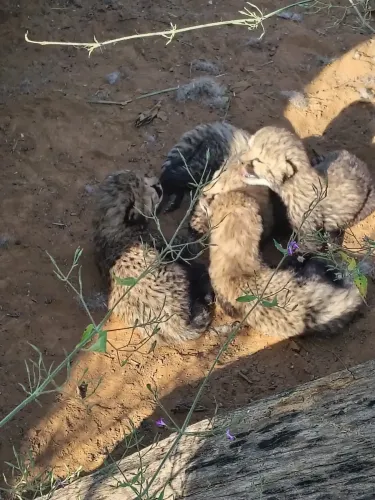
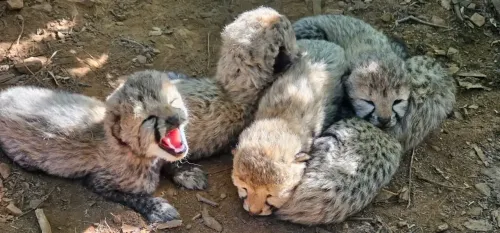
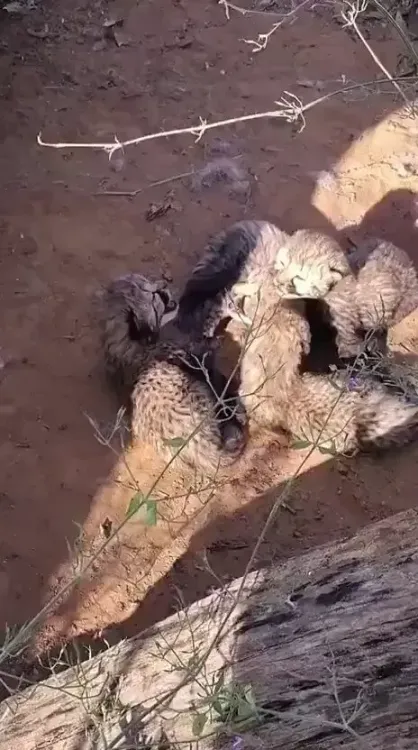
Bihar Chief Minister Samrat Choudhary hailed the birth of four healthy cubs from Botswana-origin cheetah KOMG 3 — a first for the Botswana cohort — pushing India's total cheetah count to 62 under Prime Minister Modi's Project Cheetah.
Key Takeaways
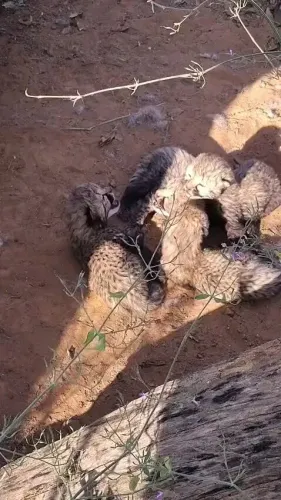
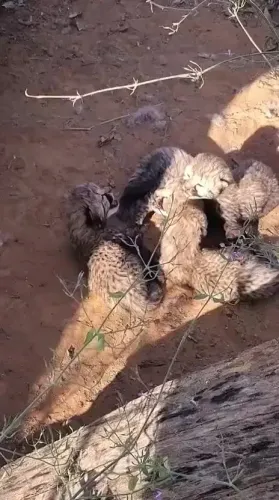
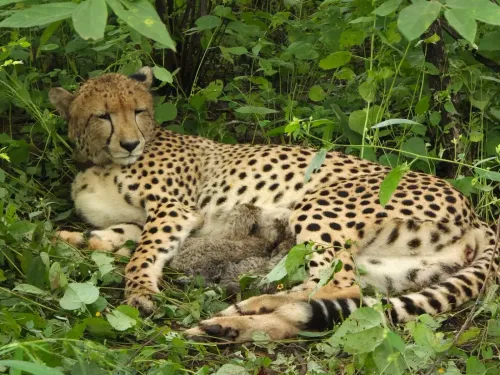
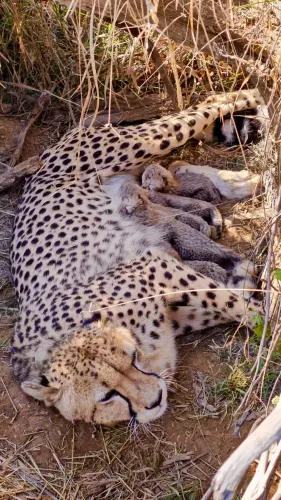
KOMG 3 , a two-and-a-half-year-old female cheetah brought from Botswana , has given birth to four healthy cubs in India.
This is the first successful birth by a Botswana-origin female cheetah on Indian soil.
India's total cheetah population has risen to 62 with this birth.
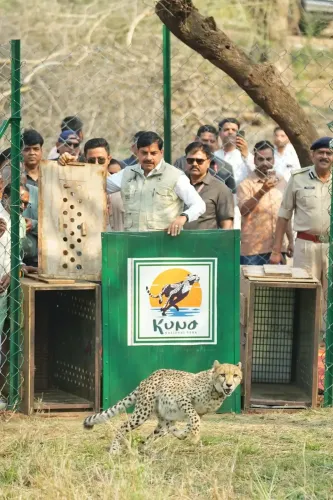
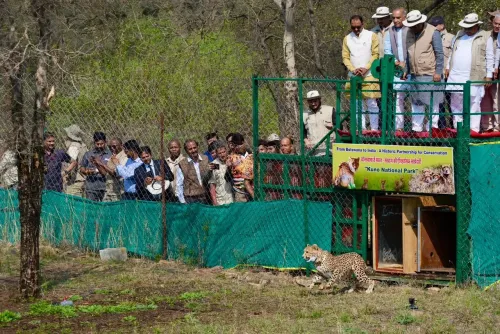
Project Cheetah was launched in 2022 by Prime Minister Narendra Modi , beginning with Namibian cheetahs at Kuno National Park .
The birth broadens the genetic diversity of India's reintroduced cheetah population, a key conservation benchmark.
Bihar CM Samrat Choudhary praised the milestone as evidence of PM Modi's visionary leadership in wildlife conservation.
Four tiny heartbeats are rewriting a chapter of Indian wildlife history. Bihar Chief Minister Samrat Choudhary on Friday, 20 November 2026, celebrated a landmark moment for Project Cheetah: a two-and-a-half-year-old female cheetah — designated KOMG 3 — brought from Botswana has given birth to four healthy cubs, the first time a Botswana-origin female has delivered in India. With this birth, the total cheetah population in the country has climbed to 62.
Choudhary shared the news in Hindi, calling it 'ek aur aitihasik uplabdhi' — 'yet another historic achievement' — in India's journey of cheetah conservation, and credited the milestone directly to Prime Minister Narendra Modi's visionary leadership under which the project was conceived and launched.
From Extinction to 62: What This Birth Means for Project Cheetah
Project Cheetah began in September 2022 when Prime Minister Modi personally released the first batch of cheetahs — translocated from Namibia — into Kuno National Park in Madhya Pradesh. The cheetah had been declared extinct in India by the mid-20th century, and the reintroduction programme represented one of the most ambitious inter-continental wildlife relocation efforts ever undertaken. Subsequent batches arrived from South Africa and, later, Botswana, each translocation adding to the genetic diversity critical for a sustainable wild population.
The birth of KOMG 3's four cubs is more than a number. Every successful natural birth in Indian habitat signals that at least some of the relocated animals are acclimatising to local ecology, finding prey, and reproducing — the three core indicators conservationists use to judge whether a reintroduction is taking root.
Why a Botswana-Origin Birth Carries Extra Weight
India's cheetah programme has sourced animals from multiple southern African nations, each population carrying slightly different genetic profiles and behavioural patterns shaped by their home terrain. The first translocations from Namibia and South Africa produced earlier cubs, but KOMG 3's litter marks the first successful birth from the Botswana cohort — broadening the genetic base of India's emerging cheetah population and demonstrating that even the newest arrivals can adapt and thrive. Wildlife conservationists and forest department teams managing the reserves will now closely monitor the survival rate of the four newborns, as cub mortality in the early weeks remains a critical variable for the programme's long-term projections.
The National Tiger Conservation Authority, which oversees Project Cheetah alongside state forest departments, tracks each animal's health, territory, and reproductive status as the programme works toward establishing a self-sustaining wild population — a goal that the growing tally of 62 cheetahs moves perceptibly closer.
Four cubs born to a Botswana female on Indian soil: it is a quiet but unmistakable signal that India's most ambitious rewilding bet is, cub by cub, beginning to pay off.
Point of View
Every new cub is a data point in the narrative that PM Modi's rewilding ambition is delivering measurable ecological results. The Botswana-origin first is particularly significant: it signals that the programme has moved beyond its initial Namibia-sourced cohort and is diversifying its genetic portfolio — which is precisely what long-term population viability demands. Senior state leaders amplifying the news underscores the political priority the ruling party places on Project Cheetah as a biodiversity diplomacy showcase.
NationPress
20 Nov 2026
Frequently Asked Questions
What is KOMG 3 and why is her giving birth significant?
KOMG 3 is a two-and-a-half-year-old female cheetah brought to India from Botswana under Project Cheetah. Her delivery of four healthy cubs is historically significant because she is the first Botswana-origin female to successfully give birth on Indian soil, expanding the genetic diversity of India's reintroduced cheetah population.
How many cheetahs are there in India now?
With the birth of KOMG 3's four cubs, India's total cheetah population has reached 62, according to Bihar Chief Minister Samrat Choudhary's post on 20 November 2026.
What is Project Cheetah?
Project Cheetah is India's national programme to reintroduce cheetahs, which had gone extinct in the country by the mid-20th century. It was launched in September 2022 by Prime Minister Narendra Modi with the translocation of Namibian cheetahs to Kuno National Park in Madhya Pradesh.
Which countries have supplied cheetahs to India under this project?
India has received cheetahs from Namibia and South Africa in earlier phases of Project Cheetah, with Botswana also supplying animals in subsequent translocations. KOMG 3 is from the Botswana cohort.
Where are India's reintroduced cheetahs kept?
The primary site for India's cheetah reintroduction is Kuno National Park in Madhya Pradesh. The National Tiger Conservation Authority and state forest departments jointly oversee their monitoring and care.