CM Fadnavis Meets Union Minister Joshi, Secures 51% PM-KUSUM Funds for Maharashtra
Synopsis
Maharashtra CM Devendra Fadnavis met Union Minister Pralhad Joshi in New Delhi on July 7, 2026, securing 51 per cent of national PM-KUSUM funds for Maharashtra and holding discussions on PM Surya Ghar: Muft Bijli Yojana, signalling a significant push for solar energy access for the state's farmers and households.
Key Takeaways
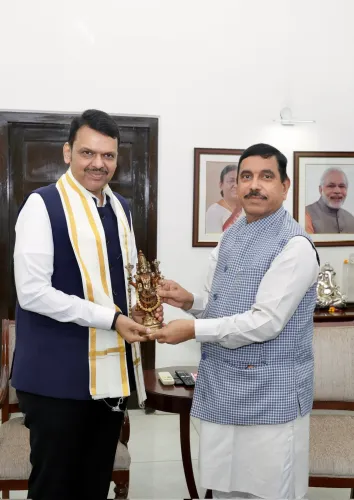
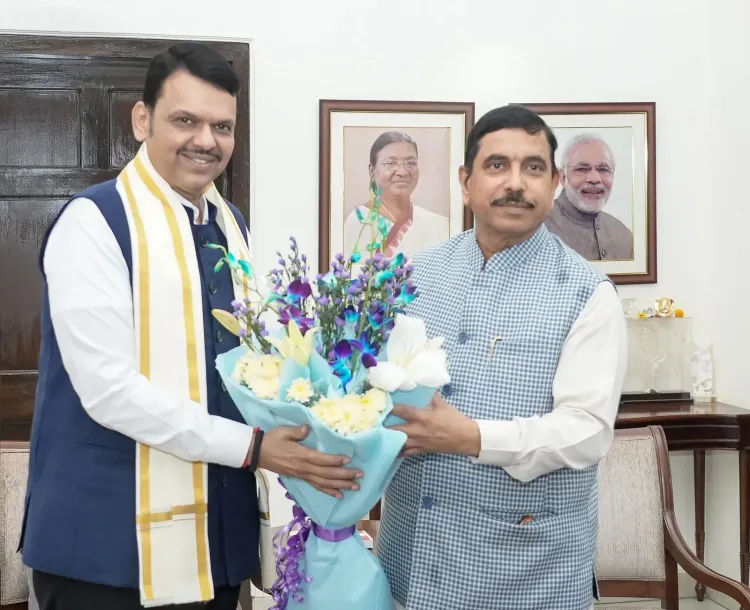
Devendra Fadnavis called on Union Minister Pralhad Joshi at his New Delhi residence on July 7, 2026 .
Maharashtra has been allocated 51 per cent of the total national funds disbursed under the PM-KUSUM scheme , the highest share among all states.
Discussions also covered the PM Surya Ghar: Muft Bijli Yojana , which offers up to 300 units of free electricity per month to households via rooftop solar.
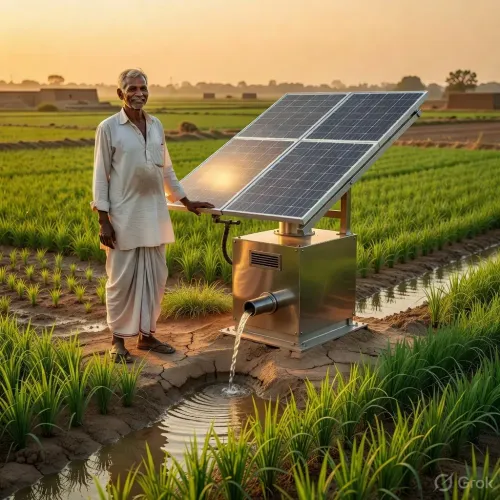
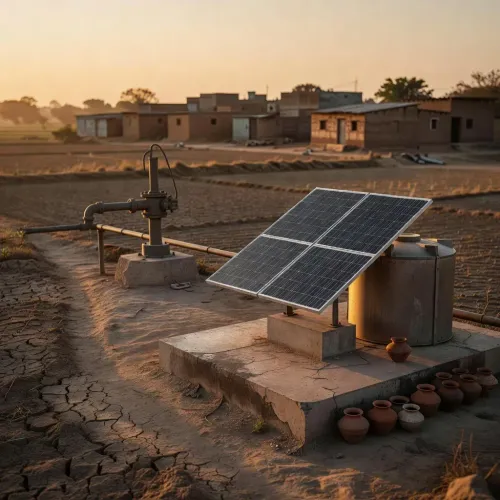
The PM-KUSUM scheme was launched in 2019 to solarise agricultural pumps and generate additional income for farmers.
The meeting reflects ongoing centre-state coordination between BJP -led governments on renewable energy infrastructure.
Primary beneficiaries include farmers and rural households across Maharashtra's agricultural districts.
Maharashtra Chief Minister Devendra Fadnavis called on Union Minister Pralhad Joshi at his residence in New Delhi on Tuesday, July 7, 2026, for a goodwill meeting that covered key central renewable energy schemes. The discussions centred on the PM-KUSUM scheme and the PM Surya Ghar: Muft Bijli Yojana, with Fadnavis announcing that Maharashtra has been allocated 51 per cent of the total national funds disbursed under PM-KUSUM.
Context
Fadnavis posted on X, writing in Hindi: 'पीएम-कुसुम योजना के अंतर्गत देश में उपलब्ध कराए गए कुल निधि का सर्वाधिक 51% हिस्सा महाराष्ट्र को प्रदान कराने के लिए मा. केंद्रीय मंत्री प्रल्हाद जोशी जी इनका हार्दिक आभार' — translating to: 'Heartfelt gratitude to Union Minister Pralhad Joshi Ji for ensuring that Maharashtra receives the highest share — 51 per cent — of the total funds made available under the PM-KUSUM scheme in the country.' The Chief Minister described the broader meeting as involving 'positive and meaningful discussions' on multiple important subjects.
The visit to Joshi's New Delhi residence is characterised by Fadnavis as a sadichha bhent — a goodwill call — a standard format for centre-state political coordination between allied BJP leaders at the national and state level.
Policy Backdrop
The Pradhan Mantri Kisan Urja Suraksha evam Utthaan Mahabhiyan (PM-KUSUM) scheme was launched by the central government in 2019 to solarise agricultural pump sets and provide farmers an additional income stream by selling surplus solar power to the grid. The scheme targets millions of farm pump connections across India, with states required to submit implementation plans and match central allocations.
The PM Surya Ghar: Muft Bijli Yojana was announced in the Union Budget 2024-25 and aims to install rooftop solar panels on one crore households, providing up to 300 units of free electricity per month. Maharashtra, with one of India's largest agrarian populations and ambitious state-level renewable energy targets, has been an active participant in both schemes.
Stakeholders and Impact
Farmers across Maharashtra stand to be the most direct beneficiaries of the PM-KUSUM allocation, gaining access to solar-powered irrigation pumps that reduce dependence on the grid and lower input costs. The 51 per cent share of national funds — as stated by Fadnavis — would represent a significant concentration of central resources in a single state, reflecting Maharashtra's scale of agricultural activity and its push for renewable infrastructure.
Rural households in the state are also targeted under PM Surya Ghar, which was discussed at the meeting. Successful implementation of both schemes would contribute to Maharashtra's broader goal of expanding clean energy access and reducing electricity subsidies over the medium term.
What's Next
The meeting is expected to be followed by closer coordination on fund disbursement timelines and district-level installation targets under PM-KUSUM across Maharashtra's farming belts. Progress on household registrations under PM Surya Ghar will be a parallel metric to watch, particularly in rural and peri-urban areas. With both schemes tied to central budget cycles and state-level execution capacity, the pace of on-ground implementation in Maharashtra will be the key indicator of whether Tuesday's discussions translate into measurable outcomes for farmers and households.
Point of View
If borne out by formal disbursement data, would mark a notable centralisation of a flagship agricultural energy scheme in one state. This pattern of high-profile ministerial visits followed by fund announcements has become a standard template for BJP-governed states seeking to demonstrate delivery on welfare schemes ahead of local political cycles. The simultaneous mention of PM Surya Ghar suggests Maharashtra is positioning itself as a front-runner in India's rooftop solar push, which carries both policy and electoral salience.
NationPress
6 Oct 2026
Frequently Asked Questions
What is the PM-KUSUM scheme and how does Maharashtra benefit?
The PM-KUSUM scheme, launched in 2019, helps farmers solarise irrigation pump sets and earn income by selling surplus solar power. Maharashtra has reportedly been allocated 51 per cent of the total national funds under the scheme, the highest share of any state.
What did CM Fadnavis discuss with Union Minister Pralhad Joshi?
CM Devendra Fadnavis met Pralhad Joshi at his New Delhi residence on July 7, 2026, for discussions on PM-KUSUM and PM Surya Ghar: Muft Bijli Yojana, along with other important subjects related to renewable energy.
What is PM Surya Ghar: Muft Bijli Yojana?
PM Surya Ghar: Muft Bijli Yojana is a central rooftop solar scheme announced in Union Budget 2024-25 that aims to provide up to 300 units of free electricity per month to one crore households through rooftop solar panel installation.
Why is Maharashtra getting the largest share of PM-KUSUM funds?
Maharashtra has a large agricultural sector and has actively pursued renewable energy targets, making it a priority state for central solar energy schemes. CM Fadnavis credited Union Minister Pralhad Joshi for facilitating the 51 per cent fund allocation.
What happens next after the Fadnavis-Joshi meeting?
The meeting is expected to be followed by coordination on fund disbursement and district-level solar pump installation targets under PM-KUSUM, as well as progress on household registrations under PM Surya Ghar across Maharashtra.