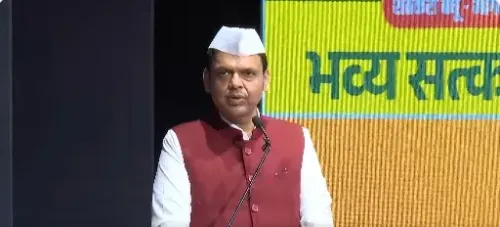
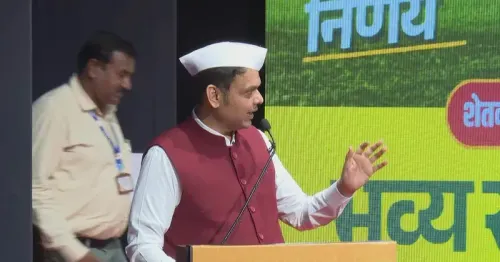
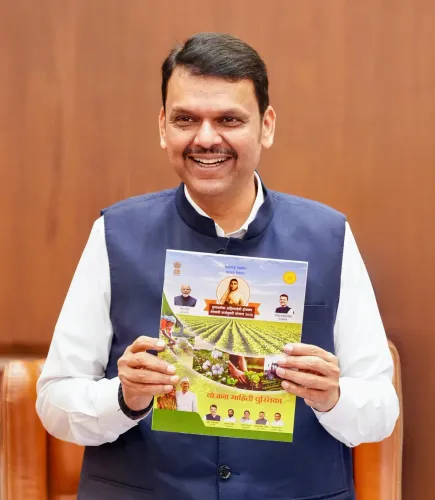
CM Fadnavis briefs media on farmer loan waiver scheme in Mumbai
Synopsis
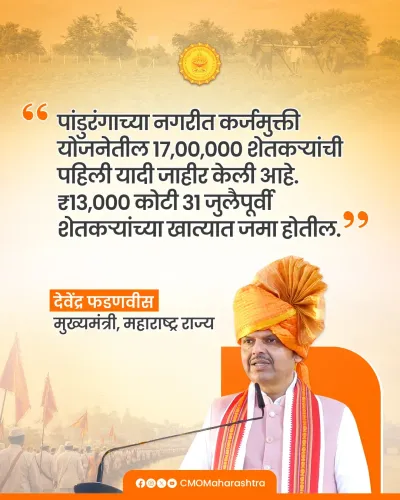
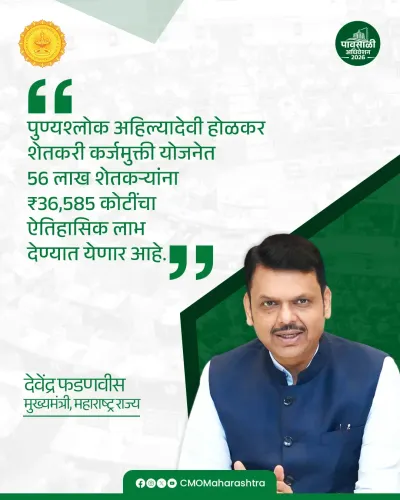
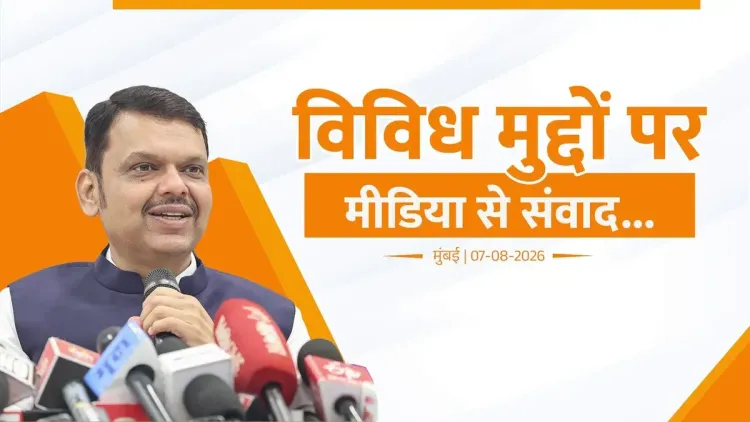
Maharashtra Chief Minister Devendra Fadnavis held a media briefing in Mumbai on 7 August 2026 on the 'Punyashlok Ahilyadevi Holkar Shetkari Karj Mukti Yojana 2026', a farmer loan waiver scheme named after the celebrated 18th-century Holkar queen, amid ongoing agrarian distress in the state.
Key Takeaways
CM Devendra Fadnavis addressed the media in Mumbai on 7–8 August 2026 on the new farmer loan waiver scheme.
The scheme is named 'Punyashlok Ahilyadevi Holkar Shetkari Karj Mukti Yojana 2026' , after the revered 18th-century Holkar dynasty ruler.
Maharashtra has a precedent of farm loan waivers, including a 2017 scheme covering crop loans up to a defined limit.
Eligibility norms, budgetary provisions, and the implementation schedule are expected to be detailed following the Mumbai briefing.
The scheme targets farmers burdened by rural debt — a recurring pressure point in Maharashtra's large agrarian economy.
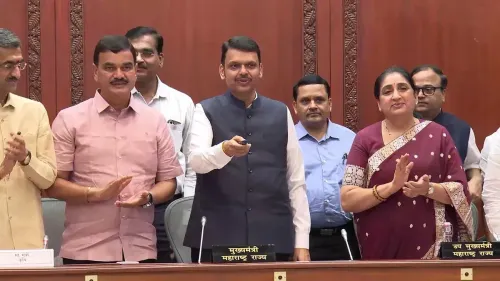
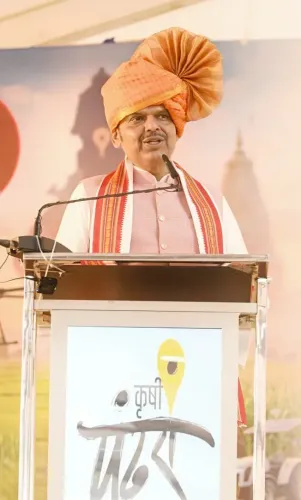
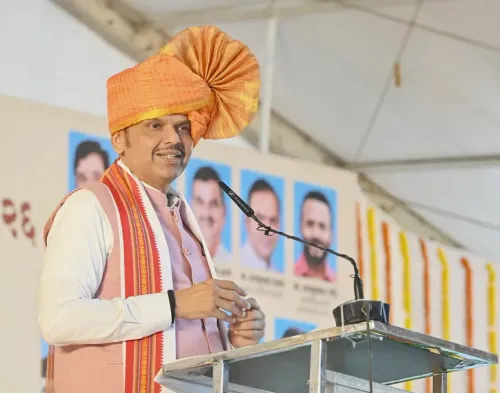
A new farm loan waiver scheme named after an 18th-century queen could reshape the financial lives of thousands of indebted farmers across Maharashtra — and on Friday, 7 August 2026, Maharashtra Chief Minister Devendra Fadnavis sat down with the media in Mumbai to address questions on the 'Punyashlok Ahilyadevi Holkar Shetkari Karj Mukti Yojana 2026' and a range of other pressing state issues.
A queen's name on a farmer's relief cheque
Ahilyadevi Holkar, the revered 18th-century ruler of the Holkar dynasty in Malwa, is remembered for her administrative acumen and deep commitment to public welfare. Naming the scheme after her is a deliberate signal — linking a contemporary debt-relief drive to Maharashtra's cultural memory of a ruler who governed for her people. It is a well-worn but effective political tradition in Indian statecraft: anchor a policy in pride, not just paperwork.
Maharashtra carries one of the largest agrarian populations in India, and rural debt has long been a fault line in the state's politics and economics. Crop failure, volatile market prices, and the compounding weight of interest payments push farming households into cycles of distress that ordinary credit channels rarely break.
Maharashtra's history of farm debt relief
This is not the state's first attempt to cut that knot. In 2017, a previous Maharashtra government announced a farm loan waiver covering crop loans up to a defined ceiling for eligible borrowers — a scheme that triggered both relief and controversy over implementation gaps. The pattern is familiar across Indian states: periodic waiver announcements follow agrarian distress, and the devil consistently lives in the eligibility norms and disbursal timelines.
What those norms look like for the 2026 scheme — who qualifies, how much is covered, and when money actually reaches farmers — is precisely what the media interaction was designed to clarify. The specifics of the scheme's provisions and budgetary outlay are expected to emerge from the Mumbai briefing.
What farmers and policymakers will be watching
For rural borrowers, the critical questions are always the same: Is my loan type covered? Is my landholding size within the limit? How long will it take? For the state exchequer, the questions run in the other direction: What is the total liability, and how does it fit within Maharashtra's fiscal framework?
CM Fadnavis, as the senior BJP leader steering Maharashtra's government, carries the political weight of delivering on a scheme that bears such a symbolically loaded name. Falling short of the promise embedded in 'Punyashlok' — a title meaning 'one celebrated in sacred verse' — would be noticed far beyond the farm gate.
The answers from Mumbai on 7–8 August will set the terms of that accountability.
Point of View
Where rural constituencies are decisive in state elections. The credibility of this scheme will hinge entirely on implementation: eligibility design that is too narrow risks political backlash, while a broad waiver strains the state's fiscal position. Fadnavis's direct media engagement suggests the government is aware that perception management around this scheme is as important as the policy itself.
NationPress
22 Sept 2026
Frequently Asked Questions
What is the Punyashlok Ahilyadevi Holkar Shetkari Karj Mukti Yojana 2026?
It is a farmer loan waiver scheme announced by the Maharashtra government in 2026, named after the 18th-century Holkar dynasty ruler Ahilyadevi Holkar, aimed at relieving indebted farmers in the state. Specific eligibility and coverage details are expected to be clarified following CM Fadnavis's media briefing in Mumbai.
Who is Ahilyadevi Holkar and why is the scheme named after her?
Ahilyadevi Holkar was an 18th-century queen of the Holkar dynasty in Malwa, widely celebrated for her administrative reforms and public welfare work. Naming the scheme after her links the policy to Maharashtra's regional cultural heritage and honours a figure revered across the state.
Has Maharashtra done farm loan waivers before?
Yes. In 2017, the Maharashtra government announced a farm loan waiver covering crop loans up to a specified limit for eligible farmers. State governments across India have periodically introduced such schemes to address agrarian distress.
What did CM Fadnavis say about the scheme at the Mumbai media briefing?
CM Devendra Fadnavis addressed the media in Mumbai on 7–8 August 2026 on the scheme and other state issues. The full details of eligibility norms, budgetary outlay, and the implementation schedule are expected to emerge from that interaction.
Which farmers will benefit from the Karj Mukti Yojana 2026?
The specific eligibility criteria — including loan types covered, landholding limits, and disbursal timelines — have not yet been officially detailed. These provisions are among the key points expected to be clarified after CM Fadnavis's Mumbai media briefing on 7–8 August 2026.