ICE cut detention inspections as population surged 50%, GAO finds
Synopsis
A US government watchdog has found that ICE slashed its detention inspections even as the detained population surged over 50% to nearly 62,000 — all without assessing the oversight consequences. The findings land just as midterm results shift congressional dynamics, giving Senator Durbin fresh leverage to press the Trump administration on a system critics say is both expanding and becoming less accountable.
Key Takeaways
ICE reduced detention facility inspections as the average daily detained population rose to 61,817 in April 2026 — a growth of more than 50 per cent .
The GAO found that ICE never assessed whether the combined inspection changes provided sufficient oversight of detention conditions.
Changes included ending twice-yearly inspections at larger facilities, expanding self-inspections , and giving advance notice before visits.
A funding safeguard barring contracts with facilities after two consecutive poor inspections was dropped from the fiscal 2026 DHS appropriations law .
DHS agreed with GAO's two recommendations but asked for them to be closed; GAO refused, citing lack of supporting evidence.
Senator Dick Durbin demanded immediate action from the Trump administration , both recommendations remaining open as of Thursday .
US Immigration and Customs Enforcement (ICE) scaled back its detention facility inspections even as the detained population grew by more than 50 per cent, without adequately assessing the consequences for oversight, the Government Accountability Office (GAO) found in a report released on 6 November 2026. The findings have drawn sharp political criticism from Senator Dick Durbin, the ranking Democrat on the Senate Judiciary Committee, who has demanded immediate corrective action from the Trump administration.
Key Findings of the GAO Report
The watchdog found that ICE had not determined whether changes across its inspection programmes collectively provided sufficient scrutiny of detention conditions at facilities holding noncitizens for more than 72 hours. The average daily detained population reached 61,817 in April 2026 — a figure that reflects a dramatic expansion of the detention system under the current administration.
Among the specific changes flagged: a move away from twice-yearly inspections at larger facilities, a greater reliance on self-inspections at smaller sites, and the provision of advance notice before visits. Critics argue these shifts systematically reduced accountability for both ICE and its private contractors at precisely the moment the system was under the greatest strain.
Senator Durbin's Response
Senator Dick Durbin was unsparing in his assessment. 'Now that the power has shifted in Congress, the Trump Administration should take immediate steps to respond to this new alarming GAO report, which found ICE has reduced inspections without assessing the impact on detained individuals,' he said in a statement accompanying the report's release.
Durbin connected the findings to his broader criticism of the administration's immigration policies in the wake of Tuesday's midterm elections. He further alleged that people held in detention lacked adequate access to food, water, and medical care — allegations that form part of his political response rather than the GAO's central evidentiary findings.
ICE's Rationale and the DHS Position
ICE stated its rationale was to reduce the operational burden on facilities and to make it easier to secure detention space through state and local partners, according to the report. The Department of Homeland Security (DHS) agreed with GAO's two recommendations but requested they be closed as already implemented, citing work already underway. GAO declined, stating that ICE had not supplied evidence of an assessment covering the combined impact of all the changes.
The Lapsed Funding Safeguard
Durbin's office also drew attention to a significant regulatory gap: since fiscal year 2019, appropriations language had barred the continued funding of detention contracts after two consecutive inadequate inspection ratings. That provision was omitted from the fiscal 2026 DHS appropriations law, removing a key financial lever for enforcing standards compliance. Critics argue this omission, combined with the reduced inspection regime, creates a system in which poor-performing facilities face diminished accountability.
What Happens Next
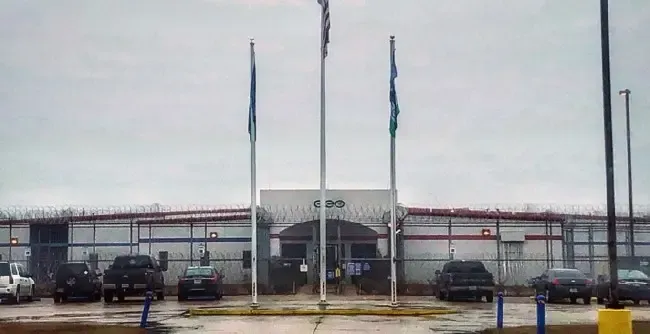
GAO recommended that ICE assess the effects of inspection changes using evidence and adjust its inspection programmes accordingly. Both recommendations remained open as of Thursday. The report provides no breakdown of how many Indian nationals or other specific nationalities were affected by the changes. ICE detains noncitizens pending immigration removal proceedings or the execution of removal orders; its detention standards govern medical care, legal services, and grievance procedures, among other matters. The agency uses both dedicated detention centres and facilities shared with other confined populations. How the administration responds — given its expansive immigration enforcement mandate — will be closely watched in the weeks ahead.
Point of View
The quietest way to remove a safeguard. The DHS response — agreeing with recommendations while arguing they are already implemented, without producing the evidence to prove it — is a posture the GAO has seen before and declined to accept before. With midterms shifting the congressional balance, Durbin's leverage is real, but oversight without subpoena power or appropriations leverage remains limited. The deeper question is whether any corrective mechanism will keep pace with a detention system that, by the administration's own design, is built to keep growing.
NationPress
6 Nov 2026
Frequently Asked Questions
What did the GAO find about ICE detention inspections?
The GAO found that ICE reduced its detention facility inspections across multiple programmes even as the average daily detained population surged over 50% to 61,817 in April 2026, without ever assessing whether the combined changes still provided sufficient oversight of detention conditions.
Why did ICE reduce inspections?
ICE's stated rationale, according to the report, was to reduce the operational burden on facilities and to make it easier to secure detention space through state and local government partners. Critics, including Senator Durbin, argue the changes diminished accountability for ICE and its contractors.
What are GAO's two recommendations?
GAO recommended that ICE assess the effects of its inspection changes using evidence and adjust its inspection programmes accordingly. Both recommendations remained open as of Thursday after DHS asked for them to be closed as already implemented but failed to supply supporting evidence.
What is the significance of the lapsed funding safeguard?
Since fiscal 2019, appropriations language had barred continued funding of detention contracts after two consecutive inadequate inspection ratings. That provision was omitted from the fiscal 2026 DHS appropriations law, removing a key financial penalty for facilities that repeatedly fail inspections.
How does this affect Indian nationals or other non-US citizens in detention?
The report's findings apply to all noncitizens held in ICE facilities pending immigration proceedings or removal orders. The report provides no breakdown by nationality, so the specific number of Indian nationals affected is not established by the GAO findings.