CM Fadnavis Disburses ₹5,029 Cr Loan Relief to 6.22 Lakh Farmers
Synopsis
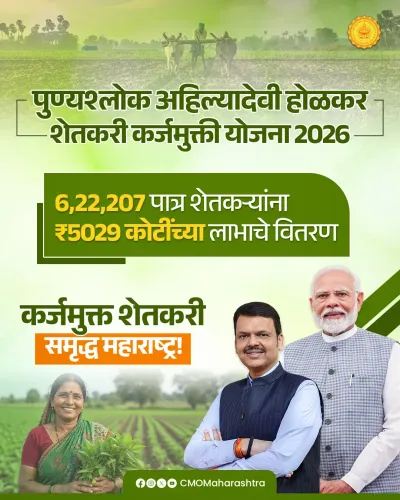
Chief Minister Devendra Fadnavis disbursed ₹5,029 crore in loan relief to over 6.22 lakh eligible farmers at Sahyadri Guest House, Mumbai, under the Punyashlok Ahilyadevi Holkar Shetkari Karjmukti Yojana 2026, continuing Maharashtra's long-running effort to address agrarian indebtedness in Vidarbha and Marathwada.
Key Takeaways
₹5,029 crore disbursed to 6,22,207 eligible farmers in a single event on 7 August 2026 .
The scheme is named after Ahilyadevi Holkar , the 18th-century Malwa ruler revered for her agrarian legacy.
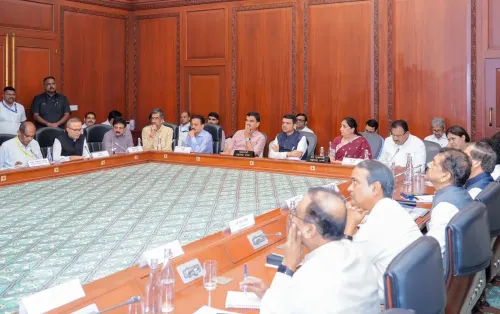
CM Devendra Fadnavis presided over the ceremony at Sahyadri Guest House, Mumbai .
The disbursement continues a policy lineage dating to Maharashtra's 2017 farm loan waiver and subsequent tranches in 2019 .
Senior ministers including Sunetra Pawar, Girish Mahajan, Pankaja Munde , and Shambhuraj Desai were present at the event.
Further tranches and supplementary budget allocations for 2026-27 are the next milestones to watch.
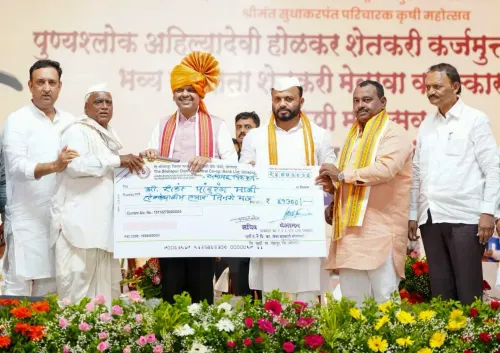
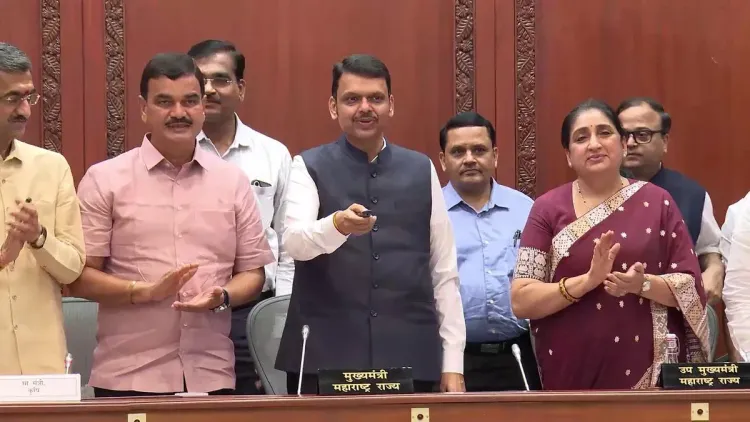
Over six lakh farming families in Maharashtra woke up on 7 August 2026 to find their debt slate wiped clean — a relief that had been promised, fought over, and finally delivered. Chief Minister Devendra Fadnavis personally presided over the disbursement ceremony at Sahyadri Guest House, Mumbai, channelling ₹5,029 crore to 6,22,207 eligible farmers under the 'Punyashlok Ahilyadevi Holkar Shetkari Karjmukti Yojana 2026'.
The scheme and the name behind it
The yojana draws its name from Ahilyadevi Holkar, the revered 18th-century Malwa ruler celebrated for her agrarian stewardship and public works — a deliberate invocation of a legacy tied to the land and its people. The scheme targets crop-loan debt that has crushed cultivators across Maharashtra's drought-prone belts, particularly Vidarbha and Marathwada, where monsoon failure and suppressed crop prices have driven cycles of rural indebtedness for decades.
Maharashtra's long arc of farm debt relief
This disbursement is the latest chapter in a policy lineage stretching back to 2017, when the state government announced a sweeping loan waiver covering crop loans up to ₹1.5 lakh for distressed cultivators. Subsequent tranches followed in 2019 and across subsequent budget cycles, each time responding to fresh agrarian stress. The pattern is consistent: Maharashtra governments, regardless of coalition, have reached for targeted debt-relief packages as the primary tool to arrest rural distress — with the Chief Minister's Office coordinating delivery through revenue and cooperation departments.
What ₹5,029 crore looks like on the ground
At an average of roughly ₹80,800 per beneficiary, the relief is meaningful at the household level — enough to clear a season's crop loan and restore a farmer's credit eligibility with cooperative banks. Senior ministers including Sunetra Pawar, Girish Mahajan, Pankaja Munde, Shambhuraj Desai, and other cabinet colleagues were present at the event, signalling the political weight the ruling alliance has placed on this rollout ahead of the 2026-27 fiscal cycle.
The next test will be whether further tranches follow — and whether supplementary budget allocations in 2026-27 extend the scheme's reach to farmers who missed this eligibility window. For now, more than six lakh families have a cleaner ledger and a fighting chance at the next sowing season.
Point of View
Timed well within the fiscal year and backed by visible cabinet presence, carries clear electoral messaging in a state where the rural vote remains decisive. The naming of the scheme after Ahilyadevi Holkar also signals a broader cultural repositioning by the ruling alliance, invoking a non-partisan historical figure to lend the policy moral weight. The real test of this yojana's impact will come at the next kharif credit window — if farmers can access cooperative loans again, the relief will have done its structural job.
NationPress
22 Sept 2026
Frequently Asked Questions
What is the Punyashlok Ahilyadevi Holkar Shetkari Karjmukti Yojana 2026?
It is a Maharashtra state scheme that provides loan relief to eligible farmers burdened by crop-loan debt, named after the 18th-century Malwa ruler Ahilyadevi Holkar who is celebrated for her agrarian stewardship.
How many farmers benefited from the Maharashtra loan waiver on 7 August 2026?
A total of 6,22,207 eligible farmers received benefits under the scheme during the disbursement event held at Sahyadri Guest House, Mumbai.
How much money was distributed under the Maharashtra farm loan relief scheme?
₹5,029 crore was disbursed to eligible farmers in a single ceremony presided over by Chief Minister Devendra Fadnavis.
Who is Devendra Fadnavis and what is his role in this scheme?
Devendra Fadnavis is the Chief Minister of Maharashtra. He personally presided over the disbursement ceremony on 7 August 2026, underscoring the political priority his government places on farmer welfare.
Has Maharashtra done farm loan waivers before?
Yes. Maharashtra announced a major crop loan waiver in 2017 covering loans up to ₹1.5 lakh, followed by further relief tranches in 2019 and subsequent budget cycles, particularly targeting distressed cultivators in Vidarbha and Marathwada.