CM Fadnavis holds Delhi talks on Narmada, PM-KUSUM, Surya Ghar
Synopsis
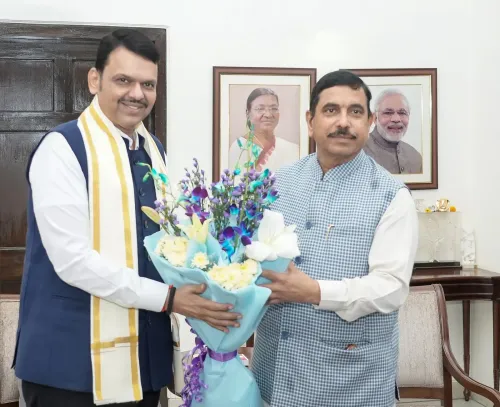
Maharashtra CM Devendra Fadnavis met Union Minister Pralhad Joshi in New Delhi on 7 July 2026 to discuss a Narmada project issue, the PM-KUSUM solar pump scheme, and the PM Surya Ghar rooftop solar programme, later briefing the media on all three subjects.
Key Takeaways
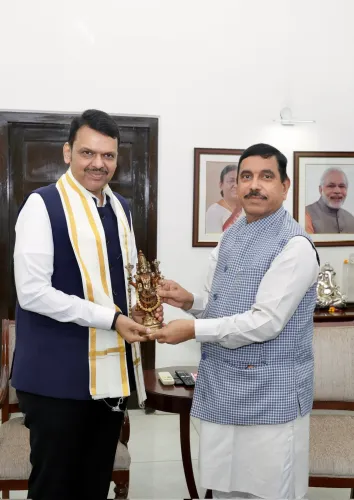
Maharashtra CM Devendra Fadnavis held talks with Union Minister Pralhad Joshi in New Delhi on 7 July 2026 .
Discussions covered a Narmada project -related problem, signalling an active interstate infrastructure concern.
PM-KUSUM , launched in 2019 , aims to solarise agricultural pumps and reduce diesel dependence for farmers.
PM Surya Ghar: Muft Bijli Yojana , announced in 2024 , targets rooftop solar on one crore households across India.
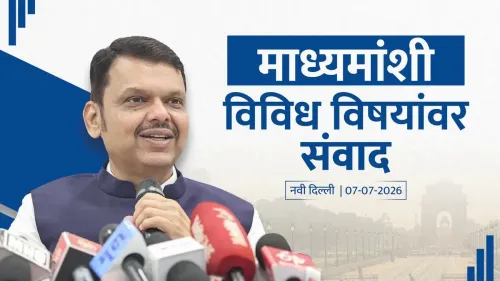
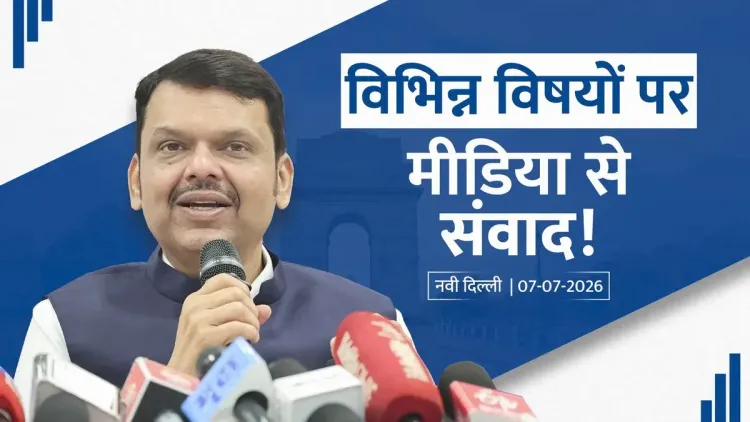
Fadnavis addressed the media after the meeting, indicating the government's intent to publicly communicate progress on these files.
Maharashtra farmers and households are the primary beneficiaries if centre-state coordination on these schemes accelerates.
Maharashtra Chief Minister Devendra Fadnavis met with Union Minister Pralhad Joshi in New Delhi on 7 July 2026 to discuss a range of infrastructure and energy issues, including a Narmada project-related concern, the PM-KUSUM scheme, and the PM Surya Ghar: Muft Bijli Yojana. Following the meeting, Fadnavis addressed the media on all three subjects, signalling active centre-state engagement on Maharashtra's energy and water priorities.
Context
Fadnavis posted on X in Hindi, noting that the discussions covered 'नर्मदा परियोजना से जुड़ी समस्या' (a Narmada project-related problem), the Pradhan Mantri Kisan Urja Suraksha evam Utthan Mahabhiyan (PM-KUSUM) scheme, and the PM Surya Ghar: Muft Bijli Yojana. The meeting was held in New Delhi and was followed by a media interaction, reflecting the Chief Minister's practice of briefing press directly after significant central consultations.
The post also tagged Pralhad Joshi, the Union Minister who oversees renewable energy portfolios at the Centre, indicating the discussions were at a ministerial level. The hashtags #Maharashtra, #NewDelhi, and #NarmadaRiver point to the geographic and thematic scope of the agenda.
Policy Backdrop
PM-KUSUM, launched in 2019, aims to solarise agricultural pumps across India, reducing farmers' dependence on diesel and grid power. Maharashtra, with its large agrarian base and significant irrigation demand, has been a key state in the scheme's rollout, seeking central support to expand solar pump installations.
The PM Surya Ghar: Muft Bijli Yojana, announced in 2024, targets installation of rooftop solar panels on one crore households nationwide, providing subsidised or free electricity. Maharashtra's urban and peri-urban households represent a substantial share of the potential beneficiary pool, making state-level coordination with the Centre critical for implementation pace.
On the Narmada front, the Sardar Sarovar Narmada project has a long history of interstate coordination involving Maharashtra, Madhya Pradesh, and Gujarat. Issues around water allocation and the power component of the project have periodically required direct chief ministerial engagement with the Centre to resolve operational and administrative bottlenecks.
Stakeholders and Impact
Farmers across Maharashtra stand to benefit most directly from progress on PM-KUSUM, which can lower their energy costs and reduce dependence on erratic grid supply during irrigation seasons. Faster central clearances and fund releases could translate into a larger number of solar pumps deployed across the state's drought-prone regions.
Households, particularly in semi-urban and rural Maharashtra, are the primary stakeholders in the PM Surya Ghar discussion. Accelerated rooftop solar adoption would reduce electricity bills and ease pressure on the state's distribution network. Any resolution on the Narmada project issue would have downstream implications for water availability and hydropower allocation to Maharashtra.
What's Next
The outcome of these discussions will likely be reflected in the pace of scheme implementation and any formal centre-state agreements on Narmada water and power sharing in the months ahead. State-level rollout targets for PM-KUSUM and PM Surya Ghar in Maharashtra are expected to serve as a near-term benchmark for the effectiveness of this round of consultations.
With the Centre accelerating its renewable energy agenda and Maharashtra positioning itself as a key implementation partner, follow-up meetings between state and central officials on these three issues are likely. The Chief Minister's public media briefing after the talks suggests the government intends to keep citizens informed of progress on these high-priority infrastructure and energy files.
Point of View
Farm energy, and household solar — reflects Maharashtra's strategy of bundling legacy disputes with new scheme negotiations to maximise political and administrative leverage at the Centre. The tagging of Pralhad Joshi and the public media briefing suggest the Chief Minister is keen to signal momentum to both farmers and urban households ahead of any state-level scheme targets. This pattern of chief ministerial engagement on centrally sponsored schemes has become a defining feature of BJP-governed states seeking faster fund releases and implementation flexibility. The Narmada dimension adds complexity, as it involves multiple states and has historically required sustained political will to resolve.
NationPress
6 Oct 2026
Frequently Asked Questions
What did CM Devendra Fadnavis discuss with Pralhad Joshi in Delhi?
CM Fadnavis met Union Minister Pralhad Joshi in New Delhi on 7 July 2026 to discuss a Narmada project-related issue, the PM-KUSUM solar pump scheme for farmers, and the PM Surya Ghar: Muft Bijli Yojana rooftop solar programme.
What is the PM-KUSUM scheme and how does it benefit Maharashtra farmers?
PM-KUSUM, launched in 2019, promotes solar-powered agricultural pumps to reduce farmers' dependence on diesel and unreliable grid electricity. Maharashtra farmers in irrigation-dependent and drought-prone regions are among the key beneficiaries.
What is PM Surya Ghar Muft Bijli Yojana?
PM Surya Ghar: Muft Bijli Yojana, announced in 2024, is a central government programme to install rooftop solar panels on one crore households across India, providing subsidised or free electricity to eligible beneficiaries.
What is the Narmada project issue involving Maharashtra?
The Sardar Sarovar Narmada project involves interstate coordination between Maharashtra, Madhya Pradesh, and Gujarat on water allocation and the hydropower component. Maharashtra periodically engages the Centre to resolve operational and administrative bottlenecks related to its share.
Why did Fadnavis address the media after the Delhi meeting?
Following his talks with Union Minister Pralhad Joshi, CM Fadnavis held a press interaction to brief journalists on the Narmada issue, PM-KUSUM, and PM Surya Ghar, reflecting the government's intent to publicly communicate progress on these infrastructure and energy files.