Rubio sets Iran nuclear terms, flags Khamenei council delays
Synopsis
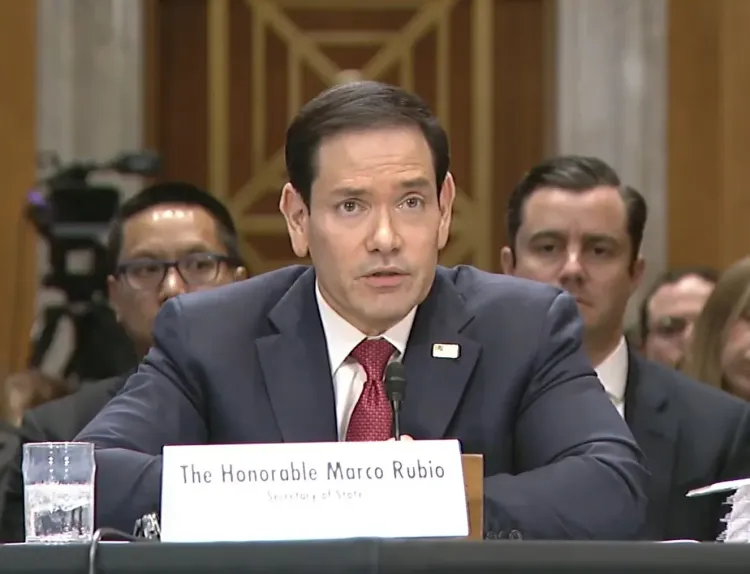
Rubio's Senate testimony did more than restate US red lines on Iran's nuclear stockpile — it exposed Washington's read of a fractured Tehran, where negotiators reportedly need three to five days to clear positions with Khamenei's inner council. The message: no sanctions relief without verifiable enrichment cuts, and no shortcut through the Strait of Hormuz.
Key Takeaways
Marco Rubio testified before the Senate Foreign Relations Committee on 2 June , detailing Iran demands.
Iran must dispose of highly enriched uranium and accept long-term enrichment curbs or cancellation.
Reopening the Strait of Hormuz is the first step; no sanctions relief offered in exchange.
Rubio said Iranian negotiators take three to five days to get responses from a council around Supreme Leader Mojtaba Khamenei .
Any future sanctions relief would be ‘condition based' and tied to verifiable nuclear compliance.
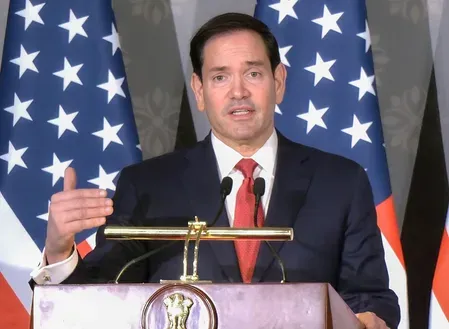
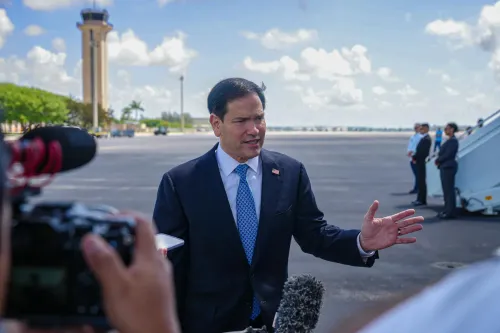
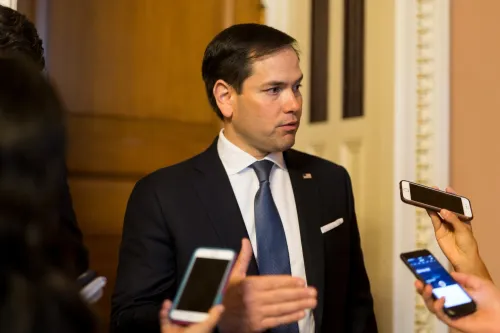
US Secretary of State Marco Rubio on Tuesday, 2 June told the Senate Foreign Relations Committee that Iran must commit to disposing of its highly enriched uranium and accept long-term curbs on enrichment, as Washington pursues a phased reset following weeks of military confrontation. Rubio also offered a rare public window into what he described as fragmented decision-making inside Tehran, including communication breakdowns and a slow-moving leadership council around Supreme Leader Mojtaba Khamenei.
Washington's phased demands
Rubio said the first step is the reopening of the Strait of Hormuz. ‘The straits have to be reopened,' he told lawmakers, adding that Iran must stop threatening commercial shipping, remove navigation obstacles and permit vessels to transit freely.
He firmly rejected the idea that sanctions relief would be traded for clearing the maritime corridor. ‘No, that's not been discussed. That's not been offered,' Rubio said.
The nuclear red lines
On the substantive track, Rubio said broader talks would centre on Iran's nuclear programme. ‘They have to commit to very specific negotiations on highly enriched uranium,' he said, adding that Tehran must ‘agree on negotiating severe and long-term limitations and or cancellation of enrichment activity.'
He went further on the existing stockpile: ‘They have to commit to say, we will dispose of the enriched uranium.' Rubio conceded the technical talks could stretch over months and would require expert-level engagement on implementation.
Cracks inside the regime
In one of the most detailed US characterisations of Iranian decision-making in recent memory, Rubio said negotiators in Tehran lack final authority and must escalate to a senior council around Khamenei. ‘It takes three to five days to get a response,' he said. ‘There is evidence that there are communications issues within the regime as well.'
He argued that the recent conflict had compounded Tehran's pre-existing strains. ‘All the problems Iran had before this conflict not only are still there, but they're worse,' Rubio said.
Sanctions only for verifiable steps
Pressed by Senator Chris Murphy on what Iran must do before talks advance, Rubio tied any relief to verifiable nuclear concessions. ‘Iran is being sanctioned because they enrich uranium. Iran is being sanctioned because they have highly enriched uranium,' he said, adding that any future relief would be ‘condition based.'
What happens next
The testimony marks the clearest articulation yet of the administration's negotiating position after recent US-Iran hostilities. With Iranian decision loops reportedly running three to five days and technical talks expected to take months, even sustained engagement may not yield a quick breakthrough.
Point of View
Divided Iranian leadership, Washington is pre-empting blame for any stalled diplomacy. The ‘condition based' relief line is a clear pivot away from the JCPOA-era choreography of front-loaded concessions. But demanding outright disposal of highly enriched uranium is a maximalist opener, and history suggests Tehran rarely concedes stockpiles without reciprocal architecture. If decision loops really run three to five days, the bigger risk is not Iranian intransigence but drift.
NationPress
19 Sept 2026
Frequently Asked Questions
What did Marco Rubio demand from Iran in his Senate testimony?
Rubio said Iran must dispose of its highly enriched uranium, accept severe long-term limitations or cancellation of enrichment activity, and reopen the Strait of Hormuz to commercial shipping. He told the Senate Foreign Relations Committee on 2 June that any sanctions relief would be condition-based and tied to verifiable nuclear compliance.
Why is the Strait of Hormuz central to the US-Iran talks?
Rubio said reopening the Strait of Hormuz is the first phase of the US approach, requiring Iran to stop threatening commercial shipping and allow free transit. However, he made clear that Washington has not offered sanctions relief in exchange for clearing the waterway.
What did Rubio say about divisions inside Iran's leadership?
Rubio said Iranian negotiators do not have final decision-making authority and must seek approval from a senior council around Supreme Leader Mojtaba Khamenei, with each response taking three to five days. He also cited evidence of communications problems and competing centres of influence inside the regime.
Will the US offer sanctions relief to Iran?
Rubio said sanctions relief would only be considered in exchange for verifiable action on Iran's nuclear programme, describing any future relief as ‘condition based.' He stressed that sanctions exist specifically because Iran enriches and stockpiles highly enriched uranium.
How long could US-Iran nuclear negotiations take?
Rubio acknowledged that detailed negotiations could take months, requiring technical experts from both sides to work through implementation mechanisms. Slow internal decision-making in Tehran could further delay progress even if both sides remain engaged.