Rajasthan CM Bhajanlal Flags Diwali Cyber Crime Alert

Synopsis
The Chief Minister's Office of Rajasthan issued a Diwali cyber crime alert on 4 November 2026, calling for 'special vigilance' as digital fraud surges during India's peak festive-transaction season, with CM Bhajanlal Sharma tagged directly in the directive.
Key Takeaways
The Rajasthan Chief Minister's Office issued a cyber crime alert on 4 November 2026 , timed to the Diwali festive period.
CM Bhajanlal Sharma was directly tagged, signalling the directive carries top-level government weight.
Indian states have issued festive-season cyber alerts via the National Cyber Crime Reporting Portal every year since at least 2019 .
Diwali is India's highest-volume digital-transaction window, making it prime season for phishing, fake portals, and payment fraud.
Post-Diwali statistics from Rajasthan Police cyber cells and any new awareness campaigns will indicate whether the advisory produced action on the ground.
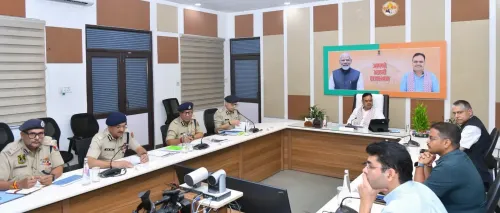
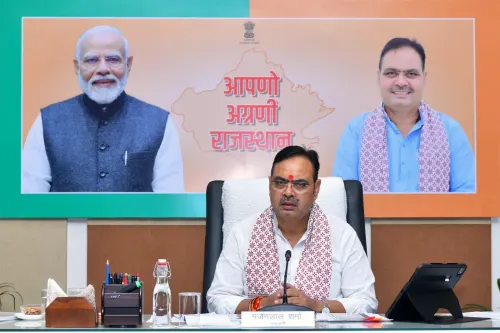
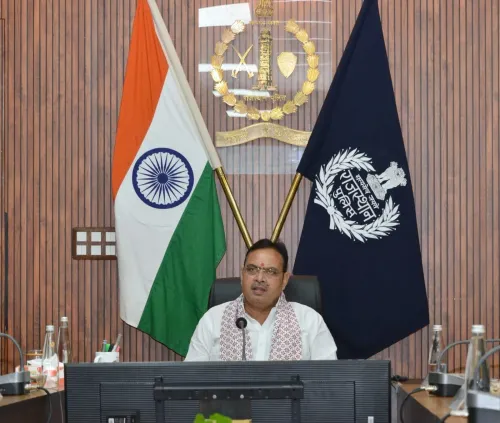
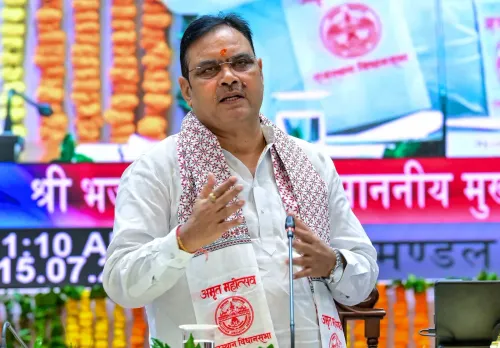
As millions of Indians swipe, tap, and transfer their way through the festive season, Rajasthan Chief Minister Bhajanlal Sharma has issued a pointed directive: the state's security machinery must stay on high alert for the surge in cyber crimes that reliably shadows Diwali. The Chief Minister's Office of Rajasthan posted the alert on Wednesday, 4 November 2026, tagging the Chief Minister directly.
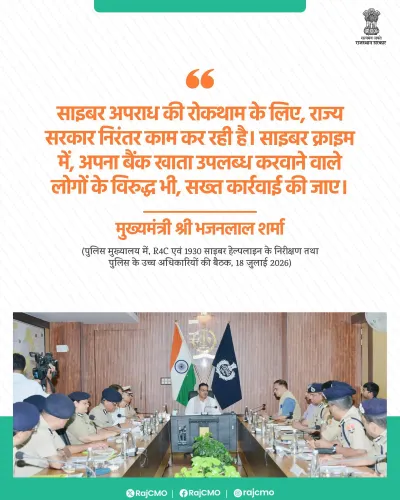
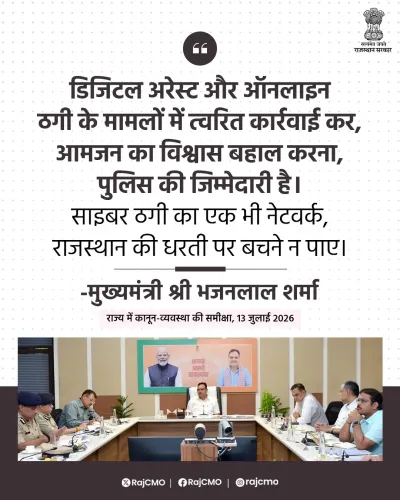
Posting in Hindi, the CMO warned — 'दीपावली के दौरान बढ़ने वाले, साइबर अपराधों को लेकर भी विशेष सतर्कता बरती जाए' — 'Special vigilance must be exercised regarding the cyber crimes that increase during Diwali.' The hashtag #आपणो_अग्रणी_राजस्थान ('Our Leading Rajasthan') framed the advisory within the state government's broader governance pitch.Why Diwali Is Prime Season for Digital Fraud
Diwali is India's single busiest digital-transaction window of the year. Online shopping discounts, peer-to-peer money transfers, and instant payment apps collectively push transaction volumes to their annual peak — and that traffic is a magnet for phishing links, fake e-commerce portals, and fraudulent delivery-fee demands. Indian states have issued festive-season cyber crime alerts through the National Cyber Crime Reporting Portal every year since at least 2019, but the scale of digital exposure has grown considerably since then.
Rajasthan, a state with a rapidly expanding base of first-time digital users in its tier-2 and rural markets, is particularly exposed to scams targeting shoppers unfamiliar with red flags. Fraudsters typically spike activity in the 72 hours around Diwali night, exploiting the combination of emotional generosity, festive distraction, and high transaction frequency.
Bhajanlal Sharma's Governance Signal
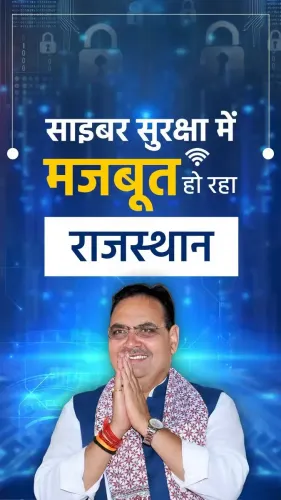
Chief Minister Bhajanlal Sharma, who has led the BJP government in Rajasthan since December 2023, has positioned digital governance and citizen safety as twin pillars of his administration's identity. A public directive from the CMO — rather than a routine departmental circular — signals that cyber vigilance is being treated as a governance priority, not a back-office technical matter.
The post-Diwali period will reveal whether the advisory translates into measurable outcomes: Rajasthan Police cyber cell activity, public awareness campaigns, and any helpline activations will be the real test of follow-through.
When a government tells its citizens to be careful, the burden of proof lands squarely on what happens next.
Point of View
Projecting proactive citizen safety at a moment of maximum public attention. It fits a broader BJP state-government pattern of using high-visibility social media directives to signal administrative seriousness without committing to measurable targets. The real policy question is whether the advisory is backed by concrete Rajasthan Police cyber cell deployments, public helplines, or awareness budgets — or whether it remains a communication exercise. If post-Diwali fraud data shows a dip, the government gains a talking point; if it rises, the advisory creates accountability pressure the CMO will need to answer.
NationPress
4 Nov 2026
Frequently Asked Questions
What cyber crimes increase during Diwali in India?
Diwali triggers spikes in phishing scams, fake e-commerce portals, fraudulent delivery-fee demands, and peer-to-peer payment fraud, as digital transaction volumes hit their annual peak across India.
What did Rajasthan CM Bhajanlal Sharma say about Diwali cyber crime?
The Chief Minister's Office, tagging CM Bhajanlal Sharma, directed that 'special vigilance must be exercised regarding the cyber crimes that increase during Diwali' in a post on 4 November 2026.
How do I report a cyber crime in Rajasthan?
Cyber crimes can be reported through the National Cyber Crime Reporting Portal (cybercrime.gov.in) or by calling the national helpline number 1930, which is active across all Indian states including Rajasthan.
Since when have Indian states been issuing Diwali cyber alerts?
Indian states have issued annual festive-season cyber crime alerts through the National Cyber Crime Reporting Portal since at least 2019, reflecting the steady growth in digital transaction fraud during major festivals.
Who is Bhajanlal Sharma and when did he become Rajasthan CM?
Bhajanlal Sharma is a BJP politician who has served as Chief Minister of Rajasthan since December 2023, when his party won the state assembly election.