Rubio hints at Strait of Hormuz 'good news' as US-Iran nuclear talks advance
Synopsis
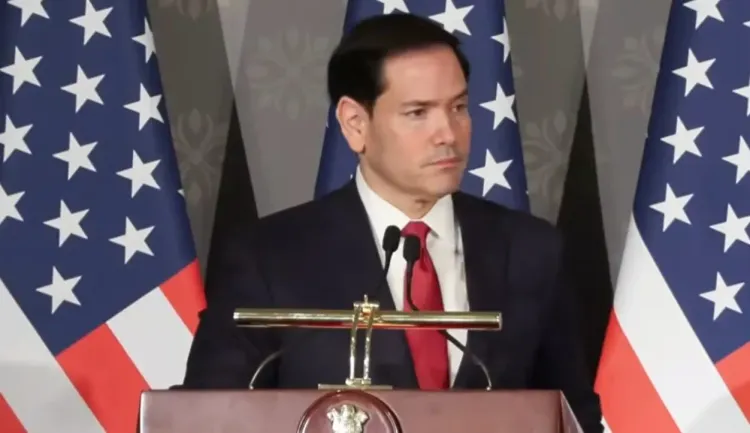
Speaking alongside India's External Affairs Minister in New Delhi, US Secretary of State Marco Rubio signalled that 'significant progress' had been made in US-Iran talks within the past 48 hours — hinting that an outline deal covering both Strait of Hormuz access and Iran's nuclear ambitions could be imminent, while making clear the problem 'will be solved one way or the other.'
Key Takeaways
US Secretary of State Marco Rubio announced 'significant progress' in US-Iran diplomatic talks on 25 May 2025 in New Delhi .
Rubio hinted that 'good news' on the Strait of Hormuz — including a fully open waterway without tolls — could emerge within hours.
He reaffirmed President Trump 's red line: Iran can never possess a nuclear weapon.
The outline deal was developed over 48 hours in coordination with Gulf region partners, but requires full Iranian acceptance and compliance.
Rubio deferred final announcements to President Trump , signalling further statements were imminent.
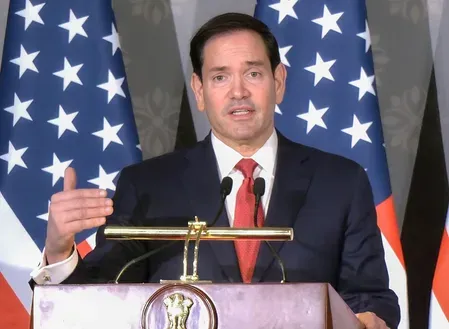
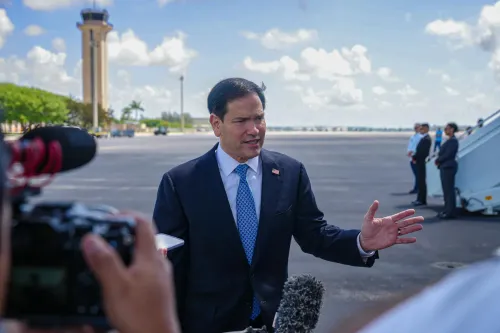
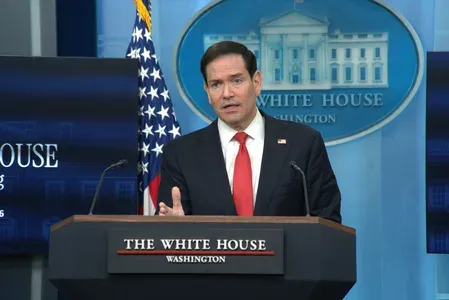
US Secretary of State Marco Rubio on Sunday, 25 May 2025 signalled that the world could receive 'good news' regarding the Strait of Hormuz within hours, disclosing that 'significant progress' — though not final progress — had been achieved in ongoing US-Iran diplomatic negotiations over Tehran's nuclear programme. The remarks came during a joint press conference in New Delhi alongside External Affairs Minister S. Jaishankar.
What Rubio Said on the Strait
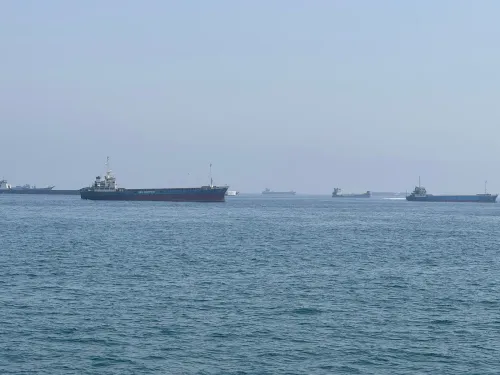
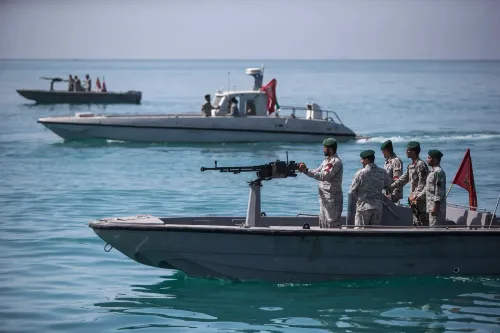
Rubio described the Strait of Hormuz as an international waterway that Iran does not own, and condemned Tehran's reported threats against commercial vessels passing through it as illegal under international law. He warned that allowing such behaviour to become normalised would set 'a dangerous precedent' replicable across multiple regions of the world.
He said the US and its partners in the Gulf region had spent the previous 48 hours working on an outline that could, if accepted and implemented by Iran, result in 'a completely open straits — and I mean open straits without tolls.' He stressed, however, that full Iranian acceptance and compliance would be required, along with further technical negotiations.
Nuclear Weapon Red Line
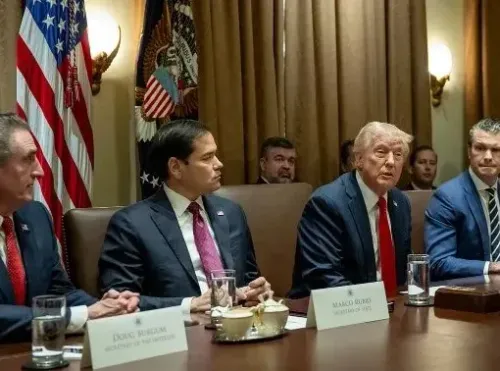
Rubio reiterated President Donald Trump's unambiguous position that Iran can never possess a nuclear weapon, calling it a principle that 'shouldn't be questioned by anybody.' He argued that while multiple US presidents have stated the same goal, Trump is 'the only one who has tried to do anything and has actually done anything about it in a real way.'
He added that suggestions the current administration might agree to a deal leaving Iran in a stronger nuclear position were 'absurd,' reaffirming that diplomacy remained the preferred route. 'His preference is to find a diplomatic way that these problems can be solved — that's always the president's preference. He would have much rather have me and the Department of State solve this problem than the Department of War having to solve this problem, but the problem is going to be solved one way or the other,' Rubio said.
Progress, But Work Remains
Rubio was careful to temper expectations, repeatedly framing developments as progress on an 'outline' rather than a concluded agreement. 'I don't want to downplay that. But I also want to caveat it by saying we still have some work to do, we will see,' he noted. He deferred to President Trump for any formal announcements, indicating further statements could follow later that day.
Notably, the remarks came during Rubio's visit to New Delhi, underscoring the strategic importance of India — a major consumer of Gulf energy — in the broader diplomatic calculus around Strait of Hormuz security. This is the latest in a series of high-stakes diplomatic engagements as the Trump administration pursues a deal to permanently remove the Iranian nuclear threat.
What Comes Next
Any agreement on the Strait and Iran's nuclear programme would require detailed technical negotiations, particularly around the nuclear components, which Rubio acknowledged 'would probably need to be addressed over some period of time.' The coming hours and days are expected to bring further official statements from Washington on the state of the talks.
Point of View
' not a deal — is the language of managed expectations, not breakthrough diplomacy. The Strait of Hormuz framing is strategically significant: by linking Hormuz access to the nuclear file, Washington is broadening the negotiating table beyond just enrichment caps, which could make a final agreement harder to close but more durable if achieved. The venue matters too — New Delhi is a major Gulf energy consumer, and Rubio's choice to float these signals alongside Jaishankar suggests the US is building a coalition of stakeholders invested in a stable Hormuz. The real test will be whether Tehran's domestic politics allow any leadership to accept the compliance regime Washington is describing.
NationPress
22 Sept 2026
Frequently Asked Questions
What did Marco Rubio say about the Strait of Hormuz?
Rubio said the US and Gulf partners had developed an outline over 48 hours that could result in a fully open Strait of Hormuz without tolls, provided Iran accepts and implements it. He described Iran's threats against commercial vessels in the international waterway as illegal under international law.
How much progress has been made in US-Iran nuclear talks?
Rubio described 'significant progress' but stressed it was not final progress, and that further work remained. He deferred to President Trump for any formal announcements, indicating statements could follow within hours of his remarks on 25 May 2025.
What is the US red line on Iran's nuclear programme?
President Trump's position, as reiterated by Rubio, is that Iran can never possess a nuclear weapon under any circumstances. Rubio called this a non-negotiable principle and dismissed suggestions that any deal could leave Iran in a stronger nuclear position as 'absurd.'
Where did Rubio make these remarks and why does the venue matter?
Rubio spoke at a joint press conference with Indian External Affairs Minister S. Jaishankar in New Delhi on 25 May 2025. India is a major consumer of Gulf energy, making Hormuz stability a direct strategic interest, and the choice of venue signals Washington is engaging key regional stakeholders in the diplomatic push.
What happens next in US-Iran negotiations?
Any finalised agreement would require detailed technical negotiations, particularly on the nuclear components, which Rubio acknowledged could take considerable time. The immediate next step was expected to be a formal announcement from President Trump following Rubio's press conference.