Gadkari, CM Patel Hold Highway Review Meet in Gandhinagar
Synopsis
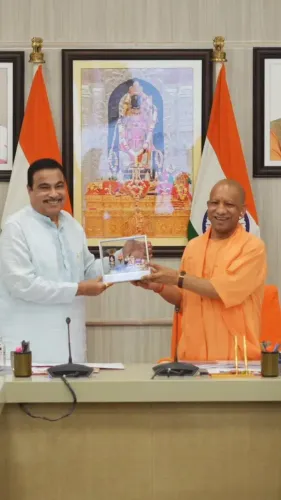
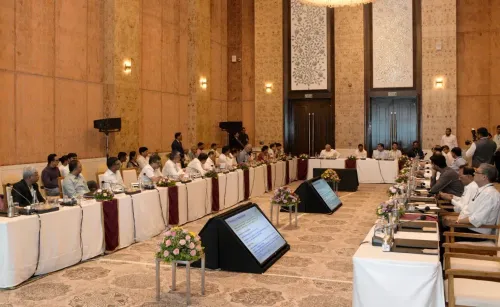
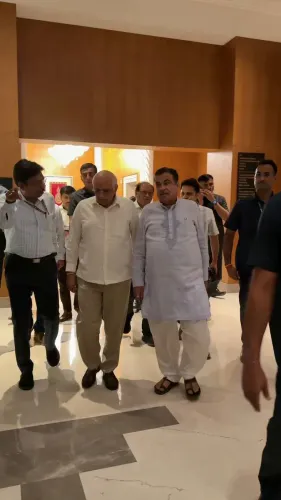
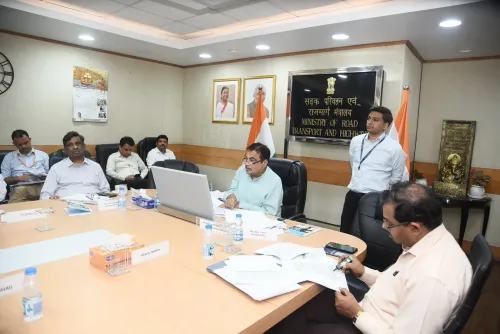
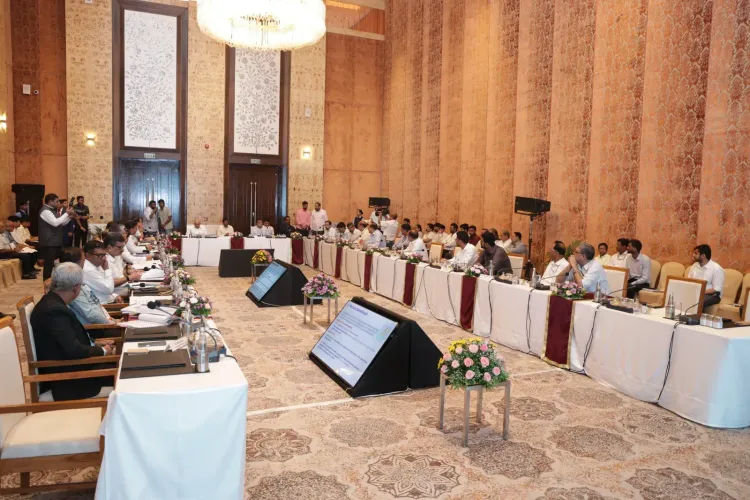
Union Minister Nitin Gadkari chaired a high-level review of ambitious national highway projects in Gujarat on 9 July 2026 in Gandhinagar, attended by Chief Minister Bhupendra Patel and senior officials, as the Centre and state coordinate to accelerate Bharatmala and other key corridor works.
Key Takeaways
A high-level review meeting on national highway projects in Gujarat was held in Gandhinagar on 9 July 2026 .
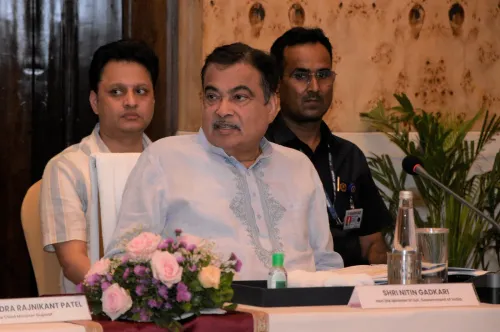
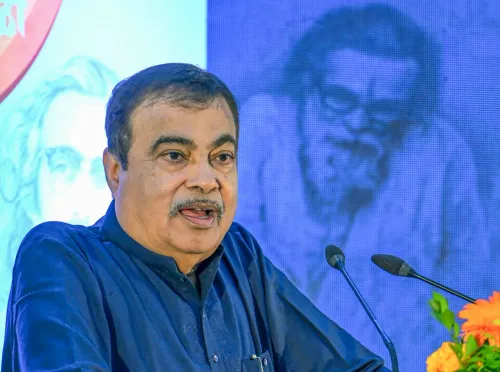
The meeting was chaired by Union Minister Nitin Gadkari and attended by Chief Minister Bhupendra Patel and senior officials.
The review covered 'various ambitious national highway projects currently under way' in the state, per the official post.
Bharatmala Pariyojana , targeting 34,800 km of national highways nationally, is the primary policy framework for Gujarat's highway expansion.
Gujarat's strategic position in western freight corridors and the Delhi-Mumbai Industrial Corridor makes it a priority state in central highway planning.
Updated project timelines and NHAI fund releases are expected in the coming quarter following the review.
The Chief Minister's Office of Gujarat announced on 9 July 2026 that a high-level review meeting on ambitious national highway projects in the state was convened in Gandhinagar, chaired by Union Minister for Road Transport and Highways Nitin Gadkari and attended by Chief Minister Bhupendra Patel along with senior officials.
The post, shared in Gujarati, stated that the meeting was held 'રાજ્યમાં કાર્યરત વિવિધ મહત્વાકાંક્ષી નેશનલ હાઇવે પ્રોજેક્ટ્સ બાબતે' — 'regarding various ambitious national highway projects currently under way in the state.' The presence of both the Union minister and the state's chief executive signals the significance the Centre and Gujarat government attach to the ongoing highway programme.
Context
Central-state coordination meetings on national highway development have become a regular feature of infrastructure governance since 2014, serving as a mechanism to resolve bottlenecks in land acquisition, funding disbursements, and project execution. Gujarat, with its strategic location along western freight corridors and its role in the Delhi-Mumbai Industrial Corridor, has consistently been a focal state in such reviews. The National Highways Authority of India (NHAI) is the principal executing agency for these projects at the ground level.
Policy Backdrop
The national highway push in Gujarat is closely tied to the Bharatmala Pariyojana, the Centre's flagship highway development programme launched in 2015 targeting the construction of 34,800 km of national highways, with a strong emphasis on economic corridors and freight routes. Gujarat features prominently in this programme given its port-heavy coastline and industrial hinterland. Union Budget allocations in recent years have maintained record outlays for highway infrastructure, with western states among the primary beneficiaries. Previous high-level reviews between Gadkari and Gujarat leadership — including meetings in 2022-23 — have focused on fast-tracking segments of the Delhi-Mumbai Expressway and related projects.
Stakeholders and Impact
The logistics industry, highway contractors, and everyday commuters in Gujarat are the primary stakeholders in the progress of these projects. Faster highway completion reduces freight costs and transit times on western trade routes, benefiting manufacturing clusters in cities such as Surat, Ahmedabad, and Rajkot. For contractors and NHAI, high-level ministerial attention typically translates into faster resolution of administrative clearances and fund releases. The annual national highway construction target has hovered between 12,000 and 15,000 km, and state-level reviews are a key instrument in meeting those benchmarks.
What's Next
Observers will watch for updated project-wise completion timelines and fund release orders from NHAI in the coming quarter following the Gandhinagar review. The monsoon session of Parliament may also see questions on the status of Gujarat's national highway projects. Whether specific new project announcements or revised deadlines emerge from this meeting will become clearer as official follow-up communications are issued by the state and central governments.
Point of View
Whose tenure has been defined by record highway construction targets, keeping Gujarat on track is critical to the national tally. The meeting also has an implicit political dimension ahead of any future electoral cycle, as visible infrastructure progress in Gujarat carries significant messaging value for the ruling dispensation.
NationPress
8 Oct 2026
Frequently Asked Questions
Why did Nitin Gadkari visit Gandhinagar in July 2026?
Nitin Gadkari chaired a high-level review meeting in Gandhinagar on 9 July 2026 to assess the progress of various ambitious national highway projects under way in Gujarat, alongside Chief Minister Bhupendra Patel and senior officials.
Which highway projects were reviewed at the Gandhinagar meeting?
The official post described the meeting as covering 'various ambitious national highway projects' in Gujarat, but specific project names were not disclosed in the announcement. Details are expected to emerge through official follow-up communications.
What is Bharatmala Pariyojana and how does it affect Gujarat?
Bharatmala Pariyojana is the Centre's flagship highway development programme launched in 2015, targeting 34,800 km of national highways. Gujarat is a key beneficiary owing to its western freight corridors, port connectivity, and role in the Delhi-Mumbai Industrial Corridor.
What is NHAI's role in Gujarat highway projects?
The National Highways Authority of India is the central agency responsible for executing national highway projects in Gujarat, including land acquisition, construction oversight, and fund disbursement under schemes like Bharatmala.
What happens after a high-level highway review meeting?
Such meetings typically result in updated project-wise completion timelines, resolution of land acquisition or funding bottlenecks, and accelerated fund releases by NHAI. Outcomes from the 9 July 2026 Gandhinagar review are expected to be communicated in the coming weeks.