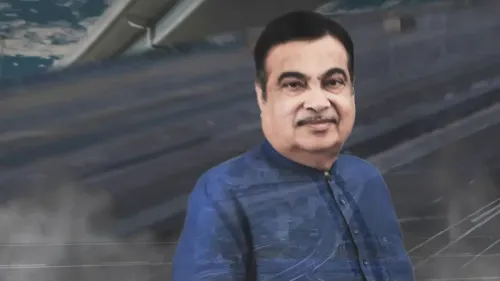
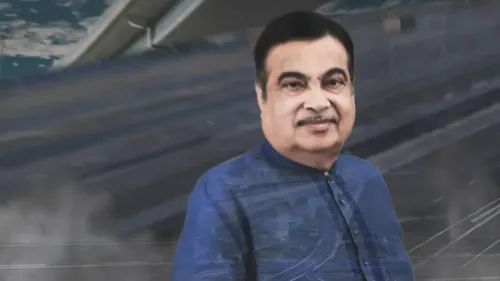
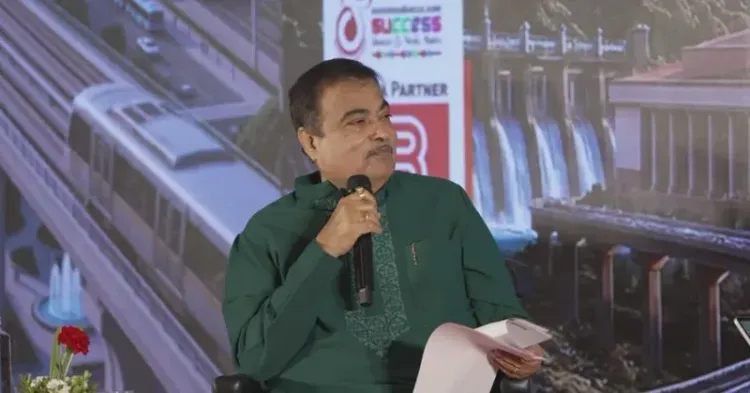
Gadkari addresses Sudarshan Conclave 2026 on Bharat Nirman
Synopsis
Union Minister Nitin Gadkari addressed the Sudarshan Conclave 2026 in New Delhi on 7 July, speaking on the 'Bharat Nirman' theme. The address underscores the BJP government's focus on road infrastructure as a GDP multiplier, with Bharatmala Pariyojana and Union Budget 2026-27 allocations in sharp focus.
Key Takeaways
Nitin Gadkari addressed the Sudarshan Conclave 2026 in New Delhi on 7 July 2026 on the theme of 'Bharat Nirman' .
National highway construction averaged over 12,000 km per year between 2014 and 2023 under Gadkari's ministry.
Bharatmala Pariyojana , approved in 2017 , targets 34,800 km of roads with an outlay of Rs 6.92 lakh crore .
The logistics sector's cost burden — estimated at 13-14 per cent of GDP — is a key driver of the government's road infrastructure push.
Eyes are now on Union Budget 2026-27 allocations for the highways ministry and potential Bharatmala Phase-II clearances.
Union Road Transport and Highways Minister Nitin Gadkari addressed the Sudarshan Conclave 2026 in New Delhi on Tuesday, 7 July 2026, speaking on the theme of 'Bharat Nirman' — a term broadly used to denote India's physical and rural infrastructure transformation.
Context
Gadkari has been at the helm of the Ministry of Road Transport and Highways since 2014, overseeing one of the most intensive periods of highway construction in independent India's history. The Sudarshan Conclave 2026 provided a high-profile public platform for him to articulate the government's infrastructure vision under the 'Bharat Nirman' framework. Such conclaves routinely draw policymakers, industry stakeholders, and logistics sector representatives seeking clarity on project timelines and investment opportunities.
The theme 'Bharat Nirman' carries layered significance: originally a rural infrastructure programme launched in 2005 covering irrigation, roads, housing, and electrification, the phrase has since evolved into a broader political and policy shorthand for India's nation-building agenda. Gadkari has consistently framed road infrastructure as the backbone of economic growth and logistics efficiency.
Policy Backdrop
Under Gadkari's watch, national highway construction averaged over 12,000 km per year between 2014 and 2023 — a pace that far exceeded previous decades. The flagship Bharatmala Pariyojana, an umbrella highway development programme approved in 2017, targets 34,800 km of roads and expressways with a total outlay of Rs 6.92 lakh crore. The programme is designed to build economic corridors, inter-corridors, and ring roads that reduce logistics costs and improve connectivity between production centres and ports.
The minister has repeatedly argued that every rupee invested in road infrastructure yields a multiplier effect on GDP, employment, and rural incomes. Conclaves of this nature serve as occasions to reinforce that narrative and signal policy continuity to private investors and state governments alike.
Stakeholders and Impact
Highway developers, EPC contractors, and the broader logistics sector track Gadkari's public addresses closely, as they often contain signals about project clearances, funding mechanisms, and public-private partnership frameworks. State governments — particularly those negotiating land acquisition for national highway projects — are also key audiences. Rural communities along proposed highway corridors stand to benefit from improved connectivity, though land acquisition and displacement remain persistent concerns.
The logistics sector, which accounts for an estimated 13-14 per cent of GDP in cost burden, has long sought faster highway development to bring that figure down to single digits, in line with developed economies. Gadkari has cited this target repeatedly as a core justification for accelerated road spending.
What's Next
Attention will now turn to the Union Budget 2026-27 and the allocations earmarked for the Ministry of Road Transport and Highways, which will indicate whether capital expenditure momentum is sustained. Any fresh clearances for Bharatmala Phase-II — covering additional expressway corridors — would be the most consequential near-term development to watch. Gadkari's address at the Sudarshan Conclave 2026 is likely to be read as a signal of the ministry's priorities heading into the next budget cycle.
Point of View
The address is as much a message to investors and state governments as it is to the general public. The consistency of this messaging over a decade suggests infrastructure spending will remain a non-negotiable pillar of the government's economic positioning.
NationPress
6 Oct 2026
Frequently Asked Questions
What did Nitin Gadkari say at the Sudarshan Conclave 2026?
Gadkari addressed the Sudarshan Conclave 2026 in New Delhi on 7 July 2026 on the theme of 'Bharat Nirman', focusing on India's road and physical infrastructure development. Specific details of announcements made at the conclave are yet to be fully reported.
What is Bharat Nirman?
'Bharat Nirman' was originally a rural infrastructure programme launched in 2005 covering irrigation, roads, housing, and electrification. It has since become a broader term used to describe India's nation-building and infrastructure transformation agenda.
What is Bharatmala Pariyojana?
Bharatmala Pariyojana is an umbrella highway development programme approved in 2017 that targets 34,800 km of roads and expressways with a total outlay of Rs 6.92 lakh crore, aimed at building economic corridors and reducing logistics costs.
How many kilometres of highways has India built under Gadkari?
Under Gadkari's tenure, national highway construction averaged over 12,000 km per year between 2014 and 2023, representing a significant acceleration compared to previous decades.
What should we watch after Gadkari's Sudarshan Conclave speech?
The key developments to watch are the Union Budget 2026-27 allocations for the Ministry of Road Transport and Highways and any fresh clearances for Bharatmala Phase-II expressway corridors.